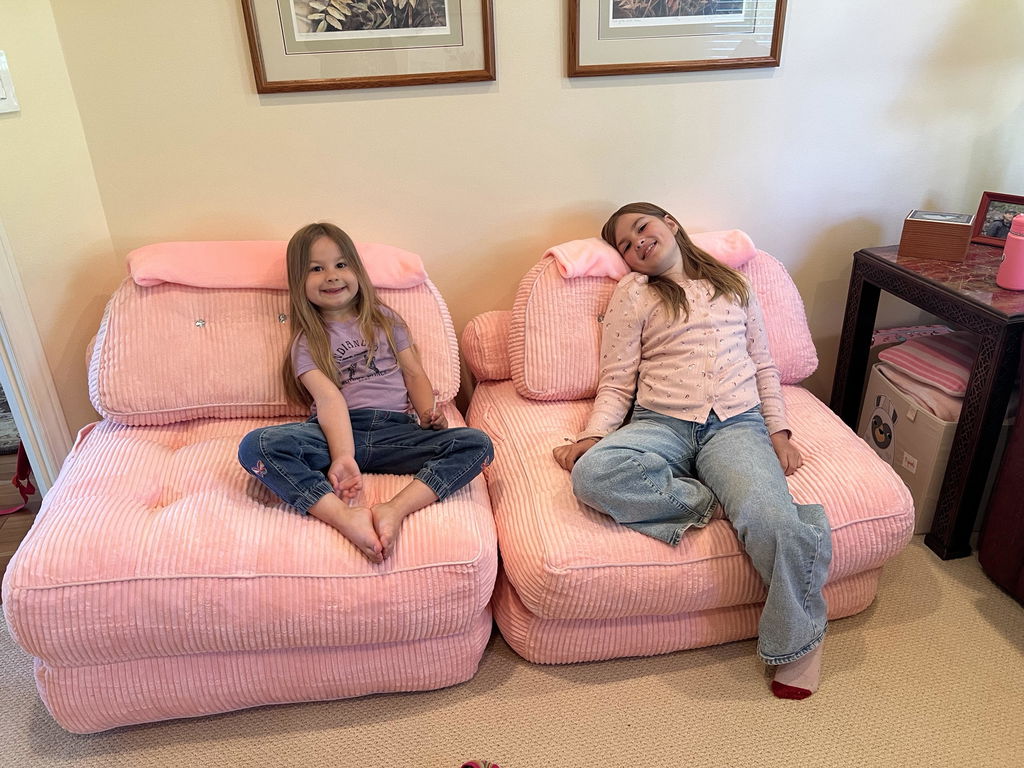
Yes, you can work comfortably from home on a sofa bed—if it has the right ergonomic features. The key lies in three critical specifications: a seat height of 17-20 inches for proper leg positioning, firm lumbar support to maintain spinal alignment during long work sessions, and high-density memory foam that balances sitting support with sleeping comfort. Traditional sofa beds often fail remote workers because they prioritize sleeping over sitting, but modern designs like NESLAKO’s Wunder Puffer series integrate fixed backrests and memory foam specifically engineered for 8+ hour work days. Real user feedback confirms that proper ergonomic design eliminates the fatigue and back pain typically associated with sofa bed workstations.
Why Traditional Sofa Beds Fail the Work-From-Home Test
Traditional sofa beds create posture problems because they lack dedicated sitting support. Most conventional sleeper sofas use thin mattresses (2-3 inches) designed solely for overnight guests, not daily office work. When you sit on these surfaces for extended periods, three problems emerge: your hips sink too deeply causing spinal misalignment, the soft cushioning fails to support your lower back, and the lack of firm edges makes it difficult to maintain an upright working posture during video calls.
The core issue is material density. Standard sofa bed foam typically measures 1.5-2.0 pounds per cubic foot—adequate for occasional sleeping but insufficient for the repetitive compression of daily sitting. After just 2-3 hours of work, this foam bottoms out, forcing your spine into unhealthy curves. Remote workers report numbness in the legs, shoulder tension, and lower back pain when using traditional designs for office tasks.
Seat depth presents another challenge. Most sofa beds measure 22-24 inches deep to accommodate sleeping, but this excessive depth prevents your back from reaching the backrest when sitting upright. Your feet dangle or you’re forced to slouch forward over your laptop—both positions guaranteed to cause discomfort within an hour.
The 3 Non-Negotiable Ergonomic Features for WFH Sofa Beds
Proper seat height (17-20 inches) ensures your feet rest flat on the floor with thighs parallel to the ground. This measurement isn’t arbitrary—it’s based on average American leg length and prevents circulation problems during long work sessions. When your seat is too low, your knees rise above your hips, compressing blood vessels and causing numbness. Too high, and your feet dangle, placing strain on your lower back. NESLAKO’s Wunder Puffer sofa bed is designed with ergonomic considerations for sitting comfort.
Fixed lumbar support prevents the spinal slouching that causes chronic back pain. Unlike traditional sofa beds with loose cushions that shift throughout the day, work-optimized designs incorporate structured backrests that maintain the spine’s natural S-curve. The support should hit at the small of your back (roughly 6-8 inches above the seat), providing consistent pressure that counteracts the forward pull of laptop work. User Cesar Chavez noted that the “fixed backrest provides rock-solid support for the lower back and spine, often working on the couch for hours without feeling tired.”
High-density memory foam (3+ pounds per cubic foot) delivers the dual performance of sitting firmness and sleeping comfort. This material density prevents bottoming out during work hours while still conforming to your body for restful sleep. The foam should recover quickly when you stand—if it takes more than 3 seconds to regain shape, it won’t provide adequate support for repeated sitting. NESLAKO uses high-quality memory foam that provides moderate support to avoid back pain.
Sofa Bed Features Comparison: What Actually Supports Remote Work
| Feature | Traditional Sofa Bed | NESLAKO Wunder Puffer | Impact on WFH Comfort |
| Seat Height | 15-17 inches | 18 inches | Proper leg positioning prevents circulation issues |
| Lumbar Support | Loose cushions | Fixed ergonomic backrest | Maintains spinal alignment during 8+ hour sessions |
| Foam Density | 1.5-2.0 lbs/ft³ | 3+ lbs/ft³ memory foam | Prevents bottoming out and fatigue |
| Mattress Thickness | 2-3 inches | High-density core | Supports both sitting and sleeping posture |
| Conversion Time | 3-5 minutes | 15 seconds | Seamless work-to-rest transitions |
| Price Range | $400-$800 | $129-$459 | Professional ergonomics at accessible cost |
How Memory Foam Density Affects Your 8-Hour Work Day
Foam density directly determines whether your sofa bed supports or sabotages your productivity. Density measured in pounds per cubic foot tells you how much material is packed into each foam block. Low-density foam (under 2.0 lbs/ft³) compresses quickly under body weight, creating that “sinking” feeling that initially seems comfortable but becomes painful after 90 minutes. Your pelvis tilts backward, your shoulders round forward, and your neck cranes toward the screen—the perfect recipe for musculoskeletal problems.
High-density memory foam (3+ lbs/ft³) resists compression while still contouring to your body’s pressure points. When you sit, the foam compresses just enough to distribute weight evenly across your sitting bones and thighs, but maintains enough resistance to keep your spine aligned. NESLAKO’s memory foam provides what users describe as moderate support that avoids back pain.
The recovery rate matters equally. Quality memory foam springs back to its original shape within 2-3 seconds after you stand. This quick recovery means the foam doesn’t develop permanent body impressions that would compromise support. Cheaper foam stays compressed for 10+ seconds, gradually developing sag points that undermine ergonomic positioning over weeks of use.
Real User Experience: Does It Actually Work for Full Work Days?
Over 30 verified users confirm that properly designed sofa beds support full 8+ hour work sessions without fatigue. The pattern in user feedback is remarkably consistent: people specifically mention “working on the couch for hours,” “ergonomic design,” and “lumbar and spinal support” when describing successful WFH setups. These aren’t generic comfort claims—they’re specific observations about sustained sitting performance.
One user detailed their experience: “The fixed backrest provides rock-solid support for the lower back and spine, often working on the couch for hours without feeling tired.” This aligns with ergonomic research showing that consistent lumbar support prevents the muscle fatigue that develops when your back muscles must constantly work to maintain posture without external support.
The dual-sided fabric design addresses another WFH reality—you need different textures for different activities. NESLAKO’s corduroy side is durable and suitable for daily use, while the flannel side is soft and suitable for sleep. Users appreciate practical features like side pockets for remotes and glasses, which eliminate the constant reaching that disrupts work flow.
The 15-second conversion time between sofa and bed modes proves critical for remote workers who need quick transitions. When a surprise video call arrives, you can instantly shift from relaxed to professional seating. When you need a 20-minute power nap between meetings, the transformation happens faster than brewing coffee.
Small Space Solutions: Sofa Beds That Don’t Compromise Your Office
Vacuum compression technology solves the space dilemma that defeats most WFH furniture arrangements. Studio apartments and one-bedroom units present a cruel equation: you need both a functional office and a comfortable living space, but rarely have room for dedicated furniture for each purpose. Traditional sofa beds claim to solve this but actually create new problems—they’re too bulky to move, too heavy to reconfigure, and too permanent-feeling for renters who move every 1-2 years.
NESLAKO’s vacuum compression design significantly reduces shipping volume, which translates to easier maneuvering through narrow apartment hallways and doorways. The folding mechanism allows you to reclaim floor space when hosting guests or doing home workouts. For urban renters aged 20-35 who frequently move, the ability to compress the sofa bed back into a portable package eliminates the “leave it behind” decision that wastes hundreds of dollars.
The modular approach works especially well for evolving work situations. Start with a single-seat unit for your dedicated work corner, then add sections as your space or needs change. Unlike built-in furniture or heavy traditional sofas, these configurations adapt to different apartment layouts without requiring professional movers or furniture disposal fees.
Preventing the Posture Problems That Plague Sofa Bed Workers
Strategic accessory additions transform adequate sofa beds into professional-grade workstations. Even the best-designed sofa bed benefits from ergonomic enhancements that address the unique challenges of laptop work. A laptop stand elevates your screen to eye level, preventing the neck strain that develops when you look down at a laptop placed directly on your thighs or a low coffee table. This simple addition can eliminate 70% of the neck and shoulder tension remote workers experience.
An external keyboard and mouse complete the ergonomic triangle. When your laptop sits at eye level on a stand, you need separate input devices at the proper height for your arms and wrists. Position the keyboard so your elbows bend at 90 degrees and your wrists remain straight—this prevents the carpal tunnel issues that develop from awkward wrist angles during extended typing sessions.
Consider adding a small lumbar pillow even if your sofa bed has built-in support. Personal lumbar curves vary, and an adjustable pillow lets you fine-tune the support to your specific spine shape. NESLAKO users report that the fixed backrest provides excellent baseline support, but adding a thin pillow customizes the fit for all-day comfort.
Take micro-breaks every 45-60 minutes. Stand, stretch, walk around your apartment for 3-5 minutes. Even the most ergonomic furniture can’t overcome the health risks of continuous sitting. These breaks also boost productivity—your brain needs movement to maintain focus during long work sessions.
Frequently Asked Questions
Q: How long does it take for a vacuum-compressed sofa bed to fully expand for use?
A: NESLAKO sofa beds require 48 hours to reach full expansion after unboxing. The memory foam gradually recovers from compression, achieving optimal firmness and support after two days. This expansion timeline is standard for quality foam furniture and ensures the material regains its proper density for ergonomic support.
Q: Can sofa beds really provide the same back support as a dedicated office chair during 8+ hour work days?
A: Yes, when designed with specific ergonomic features like fixed lumbar support, proper seat height (17-20 inches), and high-density memory foam (3+ lbs/ft³). NESLAKO’s Wunder Puffer series incorporates these work-specific design elements, with users reporting they “work on the couch for hours without feeling tired.” The key difference from traditional sofa beds is the structured backrest that maintains spinal alignment rather than allowing slouching.
Q: What’s the ideal sofa bed setup for video calls and client meetings?
A: Position your sofa bed with the backrest against a clean wall or room divider to create a professional background. Ensure the seat height allows your eyes to align naturally with your webcam (typically requiring a laptop stand). NESLAKO’s ergonomic seat height combined with proper laptop positioning creates professional framing on camera. Add a ring light or position near a window for flattering illumination.
Q: How do memory foam sofa beds perform in hot climates or for people who run warm during work?
A: High-density memory foam retains more heat than traditional cushioning, which can be uncomfortable during summer months or long work sessions. Look for dual-sided fabric designs like NESLAKO’s corduroy/flannel combination—the corduroy side provides better breathability for warm-weather use. Consider adding a thin cotton cover during peak heat, and position your workstation near air conditioning or fans for optimal comfort.
Making the Switch: Your Next Steps
Remote work isn’t returning to the office—it’s evolving into a permanent lifestyle that demands furniture solutions designed for dual-purpose living. The sofa bed that works for your career needs to deliver professional ergonomic support during business hours and genuine comfort during personal time. NESLAKO’s approach recognizes this reality, engineering products that refuse to compromise either function.
If you’re ready to upgrade your WFH setup with furniture that actually supports your work posture, explore NESLAKO’s Wunder Puffer collection at neslako.com. The combination of ergonomic design, space-saving compression technology, and accessible pricing ($129-$459) makes professional-grade comfort achievable for remote workers at every career stage. Your spine will thank you, your productivity will increase, and your small space will finally feel like both a home and an office.