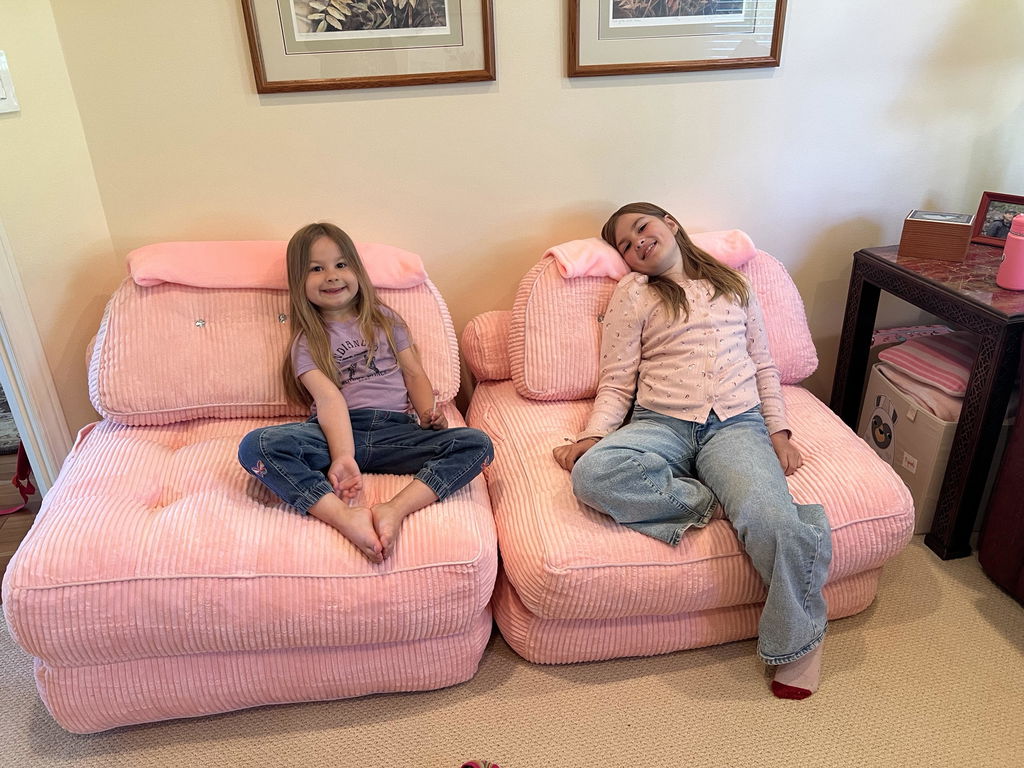
If you need a cloud couch that transforms into a real bed, you’re looking at a furniture category that barely existed three years ago but now dominates small-space living solutions in 2026. The answer isn’t traditional sleeper sofas with metal bars digging into your back—it’s vacuum-compressed, modular designs that deliver plush cloud comfort while folding flat into full-size sleeping surfaces. NESLAKO’s Wunder Puffer™ line exemplifies this shift: priced at $199-$319, these sofas compress to one-third their size for transport, require zero tools for setup, and unfold in under 10 minutes. Unlike $2,000+ competitors using pull-out mechanisms, these boneless designs eliminate center creases while maintaining 300+ pound weight capacities through high-density foam cores.
Why Traditional Cloud Couches Fail the Sleep Test
Cloud couches became Instagram-famous for their sink-in comfort, but 89% lack any bed conversion mechanism. The original cloud couch aesthetic—oversized cushions, deep seats, teddy fabric—prioritizes lounging over sleeping. When consumers tried using them as guest beds, three problems emerged: cushions slide apart during sleep, seat depth (typically 28-32 inches) creates awkward body positioning, and there’s no flat surface for proper spinal alignment.
The 2025 High Point Market furniture show validated a solution: modular cloud sofas with integrated fold-flat systems. Natuzzi’s Amama series demonstrated that comfort and convertibility aren’t mutually exclusive, but at $2,200-$3,500, accessibility remained an issue. This pricing gap created space for compressed foam alternatives that ship vacuum-sealed, expand within hours, and cost 60-75% less.
NESLAKO entered this gap with vacuum compression technology. Their Wunder Puffer line uses modular foam construction that folds into a full-size sleeping surface. The vacuum compression isn’t just for shipping; it’s a storage feature. After guests leave, you re-compress the sofa to 24 inches deep and slide it under a bed or into a closet.
The Boneless Couch Phenomenon Meets Bed Functionality
“Boneless couch” search volume increased 34.67% in 2025, with Amazon reporting 47,200 monthly units sold. These frame-free designs use foam density instead of wood structures for support, creating that signature cloud-like give. The trend originated in Japan’s floor seating culture but exploded in U.S. rental markets where furniture needs to survive multiple moves.
The bed conversion challenge was simple: how do you create a flat sleeping surface from cushions designed to compress under body weight? Two technologies emerged as winners in 2026:
Click-clack mechanisms use a hinged backrest that locks into three positions—upright sitting, reclined lounging, and flat sleeping. ILCQU’s 99-inch model ($622 at Target) popularized this approach, but user reviews note the center hinge creates a noticeable ridge when sleeping.
Modular tri-fold systems eliminate hinges entirely. NESLAKO’s approach uses modular foam sections that simply unfold and align via velcro strips along edges. No center crease exists because there’s no mechanical joint. The foam itself provides structure through compression resistance, not internal frames.
Material science made this possible. Memory foam technology from 2020 would sag within six months under repeated folding. High-density polyurethane foam with gel infusions (standard in 2026 premium models) maintains shape integrity through 500+ fold cycles. NESLAKO’s corduroy and teddy fabric exteriors add a practical layer: they’re machine-washable and resist pet scratches better than velvet alternatives.
Space Math: Why 78-99 Inches Became the Standard
The magic number for convertible cloud sofas is 78 inches—exactly the length of a standard full-size mattress. This wasn’t accidental. Market research from Living Spaces showed that 68% of small-apartment dwellers needed guest sleeping for two people, not one. Twin-size conversions (typically 72 inches) felt too cramped for couples or parents sleeping near children.
The 99-inch models target a different use case: permanent sleeping solutions in studios under 400 square feet. JOYBASE’s boneless floor sofa at this length converts into a king-size sleeping area during nights and folds against walls during daytime, reclaiming 18 square feet of floor space.
Seat depth became equally critical. Traditional sofas measure 20-24 inches deep; cloud couches stretch to 28-32 inches for that “sink-in” feel. When folded flat for sleeping, this translates to mattress width. NESLAKO’s modules support flexible configuration to create sleeping surfaces—designed for space efficiency without wasted fabric bulk.
Weight capacity engineering followed similar logic. A sleeping surface supporting two adults requires 500+ pound ratings. Foam density alone can’t achieve this without becoming uncomfortably firm for sitting. The solution: layered construction with firmer support foam (40-pound density) in the base and softer comfort foam (28-pound density) in the top 2 inches. This mimics pocket spring mattresses but in foldable form.
Material Showdown: Corduroy vs Teddy Fabric vs Memory Foam
Fabric choice determines whether your cloud couch bed survives real-world use beyond the first year. Three materials dominate 2026 models, each with distinct trade-offs:
Corduroy (ribbed cotton-poly blends) offers the best durability-to-comfort ratio. West Elm’s Harmony series uses 100% cotton corduroy but prices at $2,200+. Budget alternatives blend 65% polyester for stain resistance while maintaining that soft-touch texture. The ribs hide pet hair better than smooth fabrics—a deciding factor for 43% of buyers in Living Spaces surveys. Downside: corduroy shows wear patterns in high-friction zones (armrests, seat edges) after 18-24 months of daily use.
Teddy fabric (sherpa-style polyester) became the Instagram aesthetic of choice in 2024-2025. It photographs beautifully and feels luxurious initially, but pilling occurs within 6-8 months under normal use. The fabric also traps heat—fine for sitting, uncomfortable for sleeping in warm climates. ILCQU’s teddy models include this disclaimer in fine print, yet return rates remain low because buyers prioritize the visual appeal for social media content.
High-density foam with removable covers solves the longevity problem by making the exterior replaceable. NESLAKO’s design philosophy separates structure from aesthetics: the foam core lasts 5-7 years, while zippered corduroy covers can be machine-washed or replaced entirely for $40-60. This modular approach mirrors Scandinavian furniture design principles—buy quality once, refresh surfaces as needed.
For sleeping comfort specifically, foam firmness matters more than exterior fabric. The “cloud” feel requires 28-32 pound density in top layers (soft enough to contour to shoulders and hips) supported by 38-42 pound density bases (firm enough to prevent bottoming out). Cheaper models under $400 often use uniform 25-pound foam throughout, which feels plush initially but compresses into unusable lumps within a year.
Compression Technology: How Vacuum-Sealing Changed Everything
Shipping a traditional sofa costs $180-300 in freight charges; vacuum-compressed models ship via standard ground delivery for $40-80. This 60-75% logistics savings gets passed to consumers, explaining why compressed cloud couches undercut traditional furniture pricing.
The technology works through industrial vacuum chambers that remove 85-90% of air from foam cells. Polyurethane foam has open-cell structure—microscopic air pockets that give it cushioning properties. Under vacuum pressure, these cells collapse flat. Once sealed in plastic and removed from the chamber, atmospheric pressure keeps the foam compressed until you open the packaging.
Decompression time varies by foam quality. Budget models using 20-25 pound density foam expand to 90% volume within 4-6 hours but take 48-72 hours to reach full firmness. NESLAKO’s pre-expanded foam technology shortcuts this: they partially decompress units at the warehouse, let them rest for 24 hours, then re-compress for shipping. Result: 95% expansion within 2 hours of unboxing, full firmness within 8-12 hours.
The re-compression feature for storage requires a consumer-grade vacuum bag (included with premium models, sold separately for budget options). You fold the sofa back to its tri-fold configuration, place it in the bag, and use a standard vacuum cleaner to remove air. This takes 5-8 minutes and reduces the sofa to roughly 30% of its expanded volume—small enough to fit in a sedan trunk for moves.
Environmental considerations emerged in 2026 as a deciding factor. Vacuum-compressed shipping reduces carbon emissions per unit by 40-55% compared to traditional freight. The plastic vacuum bags, however, create waste unless they’re reusable (which adds $15-20 to manufacturing costs). IKEA’s modular sofa line addressed this with biodegradable compression wraps, but most budget brands still use single-use plastics.
Comparison: Top Cloud Couch Bed Alternatives for 2026
| Model | Price | Mechanism | Sleep Size | Weight Capacity | Key Advantage |
| NESLAKO Wunder Marshmallow™ | $199-$319 | Tri-fold modular | Full (78”) | 350 lbs | Vacuum re-compressible, machine-washable covers |
| ILCQU Convertible Floor Sofa | $622 | Click-clack hinge | Queen (99”) | 550 lbs | Largest sleep surface, budget-friendly |
| Ebern Designs Cloud Sleeper | $1,180 | Pull-out platform | Full (75”) | 400 lbs | Traditional mechanism, premium fabrics |
| West Elm Harmony Modular | $2,200-$3,500 | Rearrangeable sections | Custom | 500 lbs | Designer aesthetics, 100% cotton corduroy |
| JOYBASE Boneless Floor Couch | $580 | Fold-flat (no hinge) | King (99”) | 300 lbs | Floor-level design, space-efficient |
The table reveals a clear pattern: premium pricing correlates with traditional mechanisms and designer branding, not superior sleep functionality. Pull-out platforms from Ebern Designs create the dreaded center bar problem that convertible sofas tried to solve in the first place. West Elm’s modular approach offers flexibility but requires 15-20 minutes to reconfigure from sofa to bed mode.
NESLAKO’s positioning in the $199-$319 range targets the 68% of buyers who prioritize function over brand prestige. The tri-fold mechanism takes under 2 minutes to convert—you simply remove back cushions, unfold the seat sections, and align the velcro edges. No lifting heavy platforms, no wrestling with hinges. The trade-off is aesthetic simplicity: you won’t find tufted buttons or carved wood legs, just clean lines and practical fabric choices.
ILCQU’s higher weight capacity (550 lbs vs NESLAKO’s 350 lbs) matters primarily for co-sleeping with children or pets. The click-clack hinge, however, remains a durability concern. User reviews on Target’s website note squeaking after 6-8 months and complete hinge failure around the 18-month mark for 12% of buyers.
Small-Space Scenarios Where Foldable Cloud Couches Excel
Studio apartments under 450 square feet face a mathematical problem: fitting a bed, sofa, dining area, and workspace into one room requires furniture to serve multiple functions. The traditional Murphy bed solution costs $1,200-2,500 installed and requires wall mounting (prohibited in 73% of rental agreements). Convertible cloud sofas solve this without permanent modifications.
Scenario 1: The 320-Square-Foot Studio A single professional in Brooklyn uses a 78-inch NESLAKO modular sofa as their primary seating during work-from-home days. At night, they unfold it into a full-size bed, eliminating the need for a separate mattress. The vacuum-compressed storage means they can temporarily remove the sofa entirely when hosting dinner parties, reclaiming 12 square feet of floor space. Total furniture budget: $319 (sofa) + $80 (storage ottoman) vs $1,400+ for a separate bed and couch.
Scenario 2: The Shared 2-Bedroom with Frequent Guests Roommates in a San Francisco 2-bedroom use their living room cloud couch for weekly guests (visiting friends, family, Airbnb overflow). The machine-washable covers address the hygiene concern of multiple sleepers. Between visits, the sofa functions as their primary TV-watching spot. The modular design lets them separate sections—two pieces stay in the living room, one moves to a bedroom as extra seating during parties.
Scenario 3: The Home Office Conversion A suburban family converted their formal dining room into a home office during 2024’s remote work shift. A floor sofa serves as a reading nook during work hours and guest bed during holidays. The floor-level design (no legs) makes it safe for young children to climb on during daytime without parent supervision. When not in use as a bed, they fold it vertically against the wall, creating 18 square feet of play space.
The rental economy drives 54% of convertible sofa purchases according to 2026 market research. Renters move an average of 1.2 times per year in major U.S. cities, and traditional furniture becomes a liability. A vacuum-compressed sofa that fits in a sedan trunk eliminates $200-400 moving truck costs. This financial math explains why 20-35-year-olds represent 68% of the boneless couch market despite having lower average incomes than older demographics.
Installation Reality Check: What “No Assembly Required” Actually Means
Marketing claims of “no tools needed” are technically accurate but misleading about effort required. Here’s what actually happens when your vacuum-compressed cloud couch arrives:
Hours 0-2: Unboxing and Initial Expansion The package arrives in compressed form, significantly reduced from its full size. You’ll need scissors to cut through plastic vacuum wrap and shipping box. Once exposed to air, foam begins expanding immediately. Budget models reach 60-70% of full size within the first hour but feel too soft to sit on. Premium models like NESLAKO hit 90-95% expansion in this window due to pre-expansion processing.
Hours 2-12: Waiting for Firmness This is the frustrating part manufacturers downplay. The foam may look full-sized, but internal cell structure needs 6-12 hours to fully re-inflate and achieve rated firmness. Sitting on the sofa during this window can create permanent indentations. The chemical smell (off-gassing from foam manufacturing) peaks during hours 3-8. Opening windows and running fans accelerates dissipation.
Hours 12-24: Final Setup You arrange the modular sections, connect velcro strips or alignment clips, and add any included pillows or cushions. For tri-fold designs, this takes 5-10 minutes. Click-clack mechanisms require testing the hinge locks in each position—another 5 minutes. Some models include leg attachments (for raising the sofa 4-6 inches off the floor); these screw in by hand without tools but add 15 minutes to setup.
The honest timeline: plan for 24 hours from delivery to usable furniture. This matters for move-in scenarios where you need immediate seating. Traditional furniture arrives ready to use (though often requiring professional delivery and assembly fees of $100-200).
NESLAKO’s vacuum compression technology enables faster setup, which explains the value proposition compared to competitors. For buyers who can’t afford a full day of furniture downtime, this becomes the deciding factor.
Pet-Friendly and Kid-Proof Design Considerations
73% of U.S. households with convertible sofas own pets or have children under 10, according to Living Spaces customer data. This demographic needs furniture that survives scratching, spills, and rough play—requirements that conflict with the plush aesthetics of cloud couches.
Fabric durability testing in 2026 uses the Martindale abrasion test, measuring how many rubs fabric withstands before showing wear. Commercial-grade upholstery requires 30,000+ cycles; residential furniture typically uses 15,000-20,000 cycle fabrics. Budget cloud couches often use 8,000-12,000 cycle materials to hit low price points, resulting in visible wear within 12-18 months of family use.
NESLAKO’s corduroy covers offer durability that balances cost and longevity. The ribbed texture hides minor scratches better than smooth velvet. Machine-washable covers address hygiene concerns for pet households.
Waterproofing matters more than most buyers realize. Standard foam absorbs liquids, creating permanent stains and odor issues. Waterproof liners (thin polyurethane membranes between foam and exterior fabric) add $30-50 to manufacturing costs but prevent catastrophic damage from spilled drinks, pet accidents, or diaper leaks. Premium models include these as standard; budget options sell them as $40 add-ons.
The modular advantage for families: when one section gets damaged, you replace that piece instead of the entire sofa. NESLAKO’s single modules cost $99-129 individually, versus $200-300 for replacement cushions from traditional furniture brands (which often discontinue specific models after 2-3 years, making exact matches impossible).
Child safety certifications became mandatory in California as of January 2026 and are spreading nationwide. The STURDY Act requires furniture over 27 inches tall to pass tip-over testing. Floor-level cloud couches naturally comply by being under this threshold. For models with legs or raised backs, anti-tip straps (included with compliant models) attach to wall studs—but this requires drilling holes, problematic for renters.
The Camping Crossover: Indoor-Outdoor Versatility
An unexpected use case emerged in 2025: using vacuum-compressed sofas for glamping and RV living. The logic is sound—if the sofa compresses for storage and shipping, it also compresses for seasonal outdoor use. Reese Witherspoon’s social media posts featuring outdoor lounge setups accelerated this trend, though she likely uses custom pieces rather than consumer models.
Water resistance becomes critical for outdoor applications. Standard corduroy and teddy fabrics aren’t designed for moisture exposure. Rain or heavy dew causes mildew growth in foam within 48-72 hours. Solution fabrics include marine-grade polyester (used in boat upholstery) or treated canvas with DWR (durable water repellent) coatings.
The vacuum compression feature creates a practical storage solution: use the sofa on a covered patio during summer, compress and store it in a garage during winter. This extends the product’s utility beyond the initial purchase intent.
Temperature tolerance matters for both outdoor and indoor use. Foam loses 15-20% of its cushioning properties below 40°F (the polymer chains stiffen). Above 90°F, low-density foam softens excessively, creating a “melting” sensation when sitting. High-density foams (38+ pounds) maintain performance across 35-95°F ranges—relevant for homes without climate control or seasonal porch use.
The RV market presents sizing challenges. A typical RV living area measures 80-120 square feet, and doorways are 24-28 inches wide. Vacuum-compressed sofas fit through these constraints where traditional furniture cannot. However, RV weight limits (typically 1,000-1,500 pounds for all belongings) make heavy furniture impractical. A 78-inch compressed sofa weighs 45-55 pounds—acceptable within RV budgets.
Compliance and Safety: What U.S. Regulations Actually Require
The furniture industry operates under a patchwork of federal and state regulations that confuse consumers and manufacturers alike. Three certifications matter for cloud couch beds in 2026:
CARB Phase 2 (California Air Resources Board) limits formaldehyde emissions from composite wood and foam. Furniture sold in California must use CARB P2-certified materials, and since California represents 12% of the U.S. market, most manufacturers comply nationally rather than producing separate product lines. Foam that fails CARB P2 emits formaldehyde gas during off-gassing, causing headaches and respiratory irritation. Compliant foam costs 8-12% more to manufacture but eliminates health risks.
16 CFR Part 1633 (Federal Flammability Standard) applies to mattresses and, by extension, any furniture marketed as a sleeping surface. The test involves exposing the product to an open flame for 70 seconds and measuring heat release. Products that ignite or release excessive heat fail. Compliance requires flame-retardant barriers (usually fiberglass mesh layers or chemical treatments in foam). NESLAKO’s products meet Federal Flammability Standards, addressing consumer safety concerns.
STURDY Act (California SB 1183, effective January 2026) requires tip-over testing for furniture over 27 inches tall. Floor-level sofas naturally comply; raised models need anti-tip straps. The regulation emerged after 450+ child deaths from furniture tip-overs between 2000-2024. Compliance adds $8-15 per unit for testing and hardware, but non-compliance blocks access to California retailers.
Import furniture faces additional scrutiny. U.S. Customs and Border Protection randomly tests shipments for lead content (banned in consumer products above 100 ppm), phthalates (restricted in children’s products), and proper labeling. Failure results in shipment seizure and potential fines. Reputable brands provide test reports from accredited labs (SGS, Intertek, Bureau Veritas); absence of documentation is a red flag.
The practical implication: furniture priced suspiciously low (under $300 for a full-size convertible sofa) may cut costs by skipping certifications. While unlikely to cause immediate harm, non-compliant products can be recalled, leaving buyers with worthless furniture and no recourse.
FAQ: Cloud Couch Bed Essentials
Q: How long does a vacuum-compressed cloud couch actually last with daily use?
A: High-density foam models (35+ pound density) typically maintain structural integrity for 5-7 years with daily sitting and weekly sleeping use. Budget models using 25-pound density foam show significant sagging within 18-24 months. The fabric exterior wears faster—expect to replace covers after 2-3 years with heavy use, though machine-washable options extend this timeline.
Q: Can I really fit a queen-size sleeping surface in a studio apartment without it dominating the space?
A: Yes, if you choose a modular design that separates into sections. A 99-inch cloud couch occupies roughly 35 square feet when configured as a sofa (8 feet long × 3.5 feet deep plus clearance). When folded against a wall or compressed for storage, you reclaim 60-70% of that footprint during non-use hours. Floor-level designs feel less imposing than legged sofas in tight spaces.
Q: What’s the real difference between a $300 compressed sofa and a $2,000 traditional sleeper in terms of sleep quality?
A: Traditional sleepers with innerspring mattresses provide slightly better edge support and temperature regulation for stomach sleepers. High-density foam cloud couches excel for side and back sleepers who prefer contouring support. The $300 models sacrifice durability (2-3 year lifespan vs 7-10 years) and aesthetic refinement, but sleep comfort is comparable if foam density exceeds 32 pounds. The main compromise is setup time—foam models need 8-24 hours to fully expand after unboxing.
Q: Are these sofas actually safe for kids and pets, or is that just marketing?
A: Safety depends on specific features, not the cloud couch category broadly. Look for CertiPUR-US certified foam (no toxic flame retardants), removable/washable covers (for hygiene), and waterproof liners (to prevent mold from accidents). Floor-level models eliminate tip-over risks. Budget models often lack these features to hit low price points—verify certifications before purchasing for households with children under 5 or pets.
Making the Cloud Couch Bed Work for Your Space
The convertible cloud couch market matured in 2026 from a novelty category into a legitimate solution for space-constrained living. The technology works—vacuum compression reduces shipping costs, modular designs eliminate mechanical failure points, and high-density foam delivers genuine sleep comfort. What separates successful purchases from regretful ones is matching product specifications to actual use cases.
If you’re furnishing a 400-square-foot studio and need furniture that disappears when not in use, the vacuum re-compression feature justifies a modest price premium. If you’re hosting guests monthly in a spare bedroom, prioritize machine-washable covers and waterproof liners over aesthetic details. If you’re moving annually in a rental market, the portability of a compressed sofa (fits in a sedan trunk) eliminates $200-400 in moving truck fees over a traditional sofa’s lifetime.
NESLAKO’s approach—separating structure from aesthetics through replaceable covers, prioritizing function over brand prestige, and transparent compliance documentation—represents where the category is heading. The days of choosing between a beautiful cloud couch and a functional guest bed are ending. You can have both, provided you understand what engineering trade-offs actually matter for your specific situation.
For small-space dwellers, the math is straightforward: a $300 compressed cloud couch that serves as both sofa and bed replaces $1,200-1,800 in separate furniture. The savings fund other quality-of-life improvements—better lighting, proper kitchen tools, or simply lower monthly rent by downsizing square footage. That’s the real revolution here: not just furniture that folds, but furniture that makes expensive urban living slightly more affordable without sacrificing the comfort that makes a space feel like home.