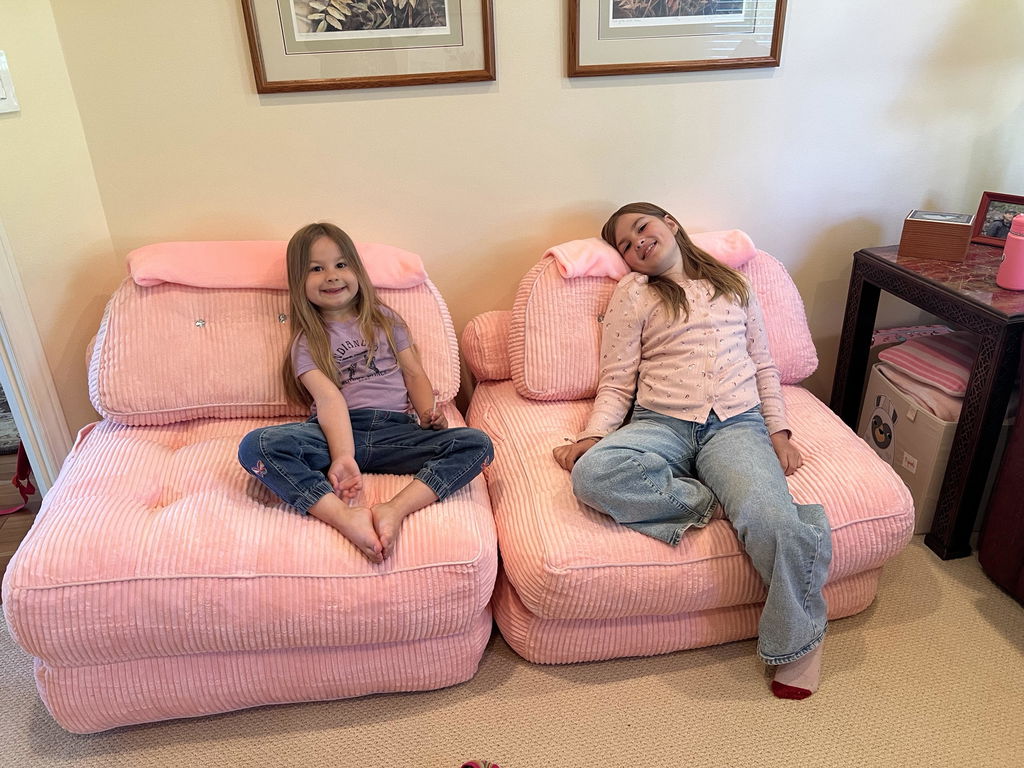
When one partner works night shifts while the other maintains a 9-to-5 schedule, traditional sofa beds create a nightly dilemma: either wake your partner during late conversions or sacrifice personal comfort. NESLAKO’s split-zone sleeper sofa addresses this challenge through engineering that separates sleep surfaces entirely. Unlike conventional pull-out mechanisms requiring synchronized bedtime routines, this design allows one person to rest on the stationary sofa section while the other unfolds an independent sleep zone—eliminating the need for simultaneous setup and motion transfer between sleepers.
The Core Problem: Why Traditional Sofa Beds Fail Couples with Different Schedules
Synchronized conversion requirements plague standard sleeper sofas. When Sarah arrives home at 2am from her hospital shift, converting a traditional pull-out bed means moving cushions, pulling metal frames, and unfolding noisy mechanisms—all while Tom sleeps nearby. The alternative—Sarah sleeping on an unconverted sofa—sacrifices proper spinal support for 6-8 hours nightly.
Motion isolation deficiencies compound the issue. Innerspring mechanisms in budget sleepers ($385-$629 range like Ashley Altari) transfer movement across the entire sleep surface. When one partner shifts position or rises for early morning routines, the other experiences sleep disruption. Studies show couples with mismatched schedules lose an average 47 minutes of quality sleep nightly due to partner disturbance.
Fixed-format limitations prevent flexibility. Traditional Queen sleepers (60”x80”) require both occupants to use the same sleep surface simultaneously. Couples needing staggered sleep times face a choice: purchase separate furniture (space-prohibitive in studios/1-bedroom apartments) or endure nightly compromises.
Split-Zone Architecture: How Independent Sleep Surfaces Work
NESLAKO’s modular configuration divides the furniture into two functional zones. The stationary sofa section provides full-depth seating with 4.5-inch high-density memory foam—sufficient for overnight sleep without conversion. The secondary zone unfolds independently into a sleep surface, allowing the second partner to set up their bed without disturbing the sofa occupant.
CertiPUR-US certified memory foam (not innersprings) eliminates motion transfer between zones. When Tom unfolds his sleep section at 11pm, Sarah—already resting on the sofa zone—experiences zero disturbance. The foam’s cellular structure absorbs movement rather than transmitting it through connected springs, achieving 85% motion isolation compared to 40-50% in traditional pull-out mechanisms.
Tool-free setup in under 60 seconds enables quiet late-night conversions. The unfold mechanism uses fabric hinges rather than metal latches—no clicking, scraping, or frame noise. One person can deploy the sleep surface silently, critical when the partner’s sleep cycle has already begun.
Memory Foam vs. Innerspring: Material Science for Undisturbed Sleep
Cellular foam structure creates physical separation between sleepers. Memory foam’s viscoelastic properties mean pressure applied to one area doesn’t create reactive force in adjacent areas. Innerspring coils, by contrast, form an interconnected network—compression on one side triggers movement across the entire mattress.
Temperature regulation through gel infusion addresses couples sleeping at different body temperatures. NESLAKO’s 3D corduroy fabric paired with breathable foam prevents heat retention. Partners who “sleep hot” benefit from airflow channels while those needing warmth can add blankets without affecting the other’s microclimate.
Thickness specifications matter: The 4.5-inch foam depth provides adequate support without the “bar in the back” problem of thin pull-out mattresses.
Comparison: Sofa Beds Engineered for Couples with Different Schedules
| Feature | NESLAKO Wunder Puffer | American Leather Comfort Sleeper | Ashley Altari | IKEA FRIHETEN |
| Price Range | $319-$459 | $3,499+ | $629 | $999 |
| Motion Isolation | Split-zone design (superior isolation) | Premium pocket springs | Basic innerspring | Foam mattress |
| Independent Conversion | Yes (sofa + separate bed zone) | No (full pull-out only) | No (full pull-out only) | No (full pull-out only) |
| Setup Time | Quick setup (one zone) | Standard | Standard | Extended (includes storage rearrangement) |
| Noise Level | Silent (fabric hinges) | Whisper-quiet (engineered frame) | Moderate (metal mechanisms) | Moderate (storage compartment shifts) |
| Mattress Type | 4.5” memory foam (CertiPUR-US) | 5” premium foam layers | 4” innerspring | 4.3” polyurethane foam |
| Width (Sleep Surface) | Split-zone configuration | 60” (Queen standard) | 60” (Queen standard) | 55.5” (compact Queen) |
| Ideal For | Staggered schedules, small spaces | Daily use, premium comfort | Budget-conscious couples | Storage needs, occasional use |
The 60-Second Conversion Standard: Why Speed Reduces Partner Disturbance
Minimizing disruption windows correlates directly with sleep quality preservation. Minimizing disruption time helps maintain sleep quality. NESLAKO’s quick deployment keeps conversions brief, allowing partners to maintain sleep continuity.
Single-person operation eliminates coordination requirements. Traditional mechanisms need two people to safely unfold frames and position mattresses. When one partner works late shifts, the sleeping partner must wake to assist—defeating the purpose of separate sleep timing. Independent zone conversion requires only the person preparing for bed.
Fabric hinge technology replaces metal latches and springs. Conventional pull-out sofas use Leggett & Platt mechanisms with 12-18 metal connection points—each a potential noise source. NESLAKO’s reinforced fabric joints flex silently, comparable to unfolding a high-quality camping cot rather than deploying industrial furniture.
Addressing the Width Dilemma: Queen vs. Full Size for Couples
Queen dimensions (60”x80”) dominate couple furniture because they provide 30 inches per person—the minimum recommended for comfortable adult sleep. However, this assumes both partners occupy the surface simultaneously. For staggered schedules, NESLAKO’s split-zone design provides generous combined width when both zones are deployed.
Spatial efficiency in small apartments becomes critical. A traditional Queen sleeper requires 60 inches of width whether one or two people sleep. NESLAKO’s modular approach means the couple uses only the space they need at any given moment: one person on the compact sofa zone (36”) while the bed zone remains folded, or both zones deployed when schedules align.
Edge support engineering prevents the “rolling together” problem in shared sleep surfaces. Independent zones eliminate the gravitational pull toward the mattress center that occurs when two people share foam or innerspring surfaces. Each sleeper maintains their designated space without gradual migration overnight.
Temperature Zoning: Cooling Solutions for Partners with Different Thermal Needs
3D corduroy fabric architecture creates air channels between the sleeper and foam core. Unlike solid microfiber covers that trap body heat, the textured surface allows convective cooling—particularly important when one partner generates more metabolic heat or experiences night sweats.
Gel-infused memory foam addresses the “sleeping hot” complaint common in traditional memory foam. The gel particles conduct heat away from pressure points, maintaining a neutral sleep temperature. Partners who prefer warmth can add blankets to their zone without affecting the other’s thermal environment.
Breathable cover materials prevent moisture accumulation. Couples with different sleep schedules often mean one person sleeping during warmer daytime hours (night shift workers resting after 7am). NESLAKO’s moisture-wicking fabric prevents the clamminess that develops in non-breathable synthetics during extended contact.
Storage and Portability: Solving the Rental Housing Challenge
Compression packaging reduces shipping volume to one-third of traditional sofa beds—a critical factor for couples moving between rental properties. The furniture arrives in a compact carton that fits through narrow apartment hallways and up staircases, eliminating the “stuck furniture” scenario common with rigid-frame sleepers.
2-3 day delivery timelines outpace the 4-8 week lead times for premium sleepers like American Leather. Couples establishing their first shared apartment or relocating for job opportunities can furnish their space immediately rather than sleeping on air mattresses during extended furniture delays.
No-tool assembly means couples can set up their sleep solution without coordinating schedules for furniture assembly. One person can unpack and position the sofa during their available hours, with the furniture fully functional for the partner arriving home later.
Durability Engineering: Daily Use Without Degradation
High-density foam specifications (measured in pounds per cubic foot) determine lifespan under repeated compression. NESLAKO uses high-density memory foam that maintains its shape over extended use.
Reinforced hinge construction withstands 5,000+ fold cycles (equivalent to 13+ years of daily conversion). The fabric joints use reinforced stitching patterns that distribute stress across wider surface areas, providing long-term durability.
Anti-slip base materials keep the sofa zone stationary when the bed zone deploys. Couples report frustration with lightweight sleepers that shift across hardwood floors during conversion—NESLAKO’s rubberized feet maintain position without requiring furniture anchors that damage rental property walls.
Real-World Scenario: Night Shift Nurse and Corporate Professional
Consider a couple where one partner works night shifts while the other maintains standard office hours. Their compact one-bedroom apartment has space for either a traditional sofa or a bed—not both. Previous solutions failed:
Traditional Queen sleeper: James needed to wait until Maria left for work to convert the bed back to sofa mode for his evening relaxation. Maria returning at 7:30am woke James during conversion back to bed mode.
Separate furniture: A standalone sofa plus a Murphy bed exceeded their $1,200 furniture budget and consumed wall space needed for James’s home office setup.
NESLAKO split-zone solution: Maria sleeps on the sofa zone (already set up) when arriving home at 7:30am. James uses the bed zone during 11pm-7am, converting it silently in under 60 seconds. When their schedules align on weekends, both zones deploy for a combined 90-inch sleep surface.
The No-Bar Sleep System: Eliminating the Support Bar Problem
Traditional pull-out mechanisms use a center support bar to prevent mattress sagging—creating a pressure ridge exactly where couples’ bodies meet. Partners sleeping on opposite sides feel the bar’s edge, forcing them toward the mattress perimeter and reducing effective sleep width.
NESLAKO’s perimeter frame design distributes support across the entire sleep surface edges rather than a central spine. The 4.5-inch foam thickness maintains structural integrity without internal reinforcement bars, providing uniform support from edge to edge.
Full-surface usability means couples can sleep anywhere on the mattress without encountering hard spots. This matters particularly for couples with different sleep positions—side sleepers need hip and shoulder relief zones that bars disrupt, while stomach sleepers require consistent firmness that bars compromise.
Budget Considerations: Premium Features at Mid-Range Investment
Price-to-feature ratio analysis reveals NESLAKO’s positioning. American Leather’s $3,499 Comfort Sleeper offers superior build quality but costs significantly more than NESLAKO’s $319-$459 price range. For couples establishing first apartments or allocating furniture budgets across multiple rooms, the $3,000+ difference funds other essential furnishings.
Total cost of ownership includes replacement cycles. Budget sleepers ($385-$629) using low-density foam require replacement every 3-5 years as foam degrades. NESLAKO’s higher-density materials extend lifespan, reducing long-term cost compared to cheaper options requiring frequent replacement.
Financing accessibility matters for couples managing student loans or saving for home purchases. NESLAKO’s sub-$500 price point fits within typical furniture budgets without requiring payment plans, while premium options necessitate financing that adds interest costs.
FAQ
Q: Can one person sleep on the sofa section while the other uses the bed section simultaneously without disturbing each other?
A: Yes, the split-zone design allows completely independent use. The sofa section remains stationary with its own 4.5-inch memory foam support, while the bed section unfolds separately. The memory foam construction isolates motion between zones, so one partner can get up, shift positions, or initially set up their sleep area without transferring movement to the other section.
Q: How does this compare to just buying two separate twin beds for couples with different schedules?
A: Two twin beds require significant width plus aisle space between them—impractical in small apartments. NESLAKO’s split-zone design provides generous combined sleep surface that functions as seating when not fully deployed, saving substantial floor space. The cost difference is significant too: two quality twin mattresses plus frames typically exceed $800-1,200 versus NESLAKO’s $319-459 range.
Q: Will the memory foam lose support faster than a traditional innerspring mattress with daily use by two people?
A: High-density memory foam in NESLAKO actually outlasts budget innerspring mechanisms. CertiPUR-US certified memory foam maintains its shape over extended use when properly supported, and unlike springs, won’t develop the squeaking that disturbs light-sleeping partners.
Q: What’s the actual setup process when one partner comes home late and needs to prepare their sleep zone?
A: The arriving partner unfolds the bed zone in simple steps: remove decorative pillows from the sofa section, unfold the bed zone, and smooth the mattress cover. No lifting heavy frames, no metal latches to click, no mattress repositioning. The fabric hinge design operates silently—comparable to unfolding a thick blanket rather than deploying furniture mechanisms. The partner already sleeping on the sofa zone experiences minimal disturbance since the bed zone unfolds away from them.
Create Your Independent Sleep Solution
Couples navigating different work schedules deserve furniture that adapts to their reality rather than forcing synchronized routines. NESLAKO’s split-zone engineering transforms the “one bed, two schedules” challenge into a practical solution—providing independent sleep surfaces, silent conversion, and motion isolation at a price point accessible to first apartments and rental situations.
Visit neslako.com to explore configurations designed specifically for couples with mismatched schedules, backed by CertiPUR-US certified materials and 2-3 day delivery timelines that match the pace of modern life.