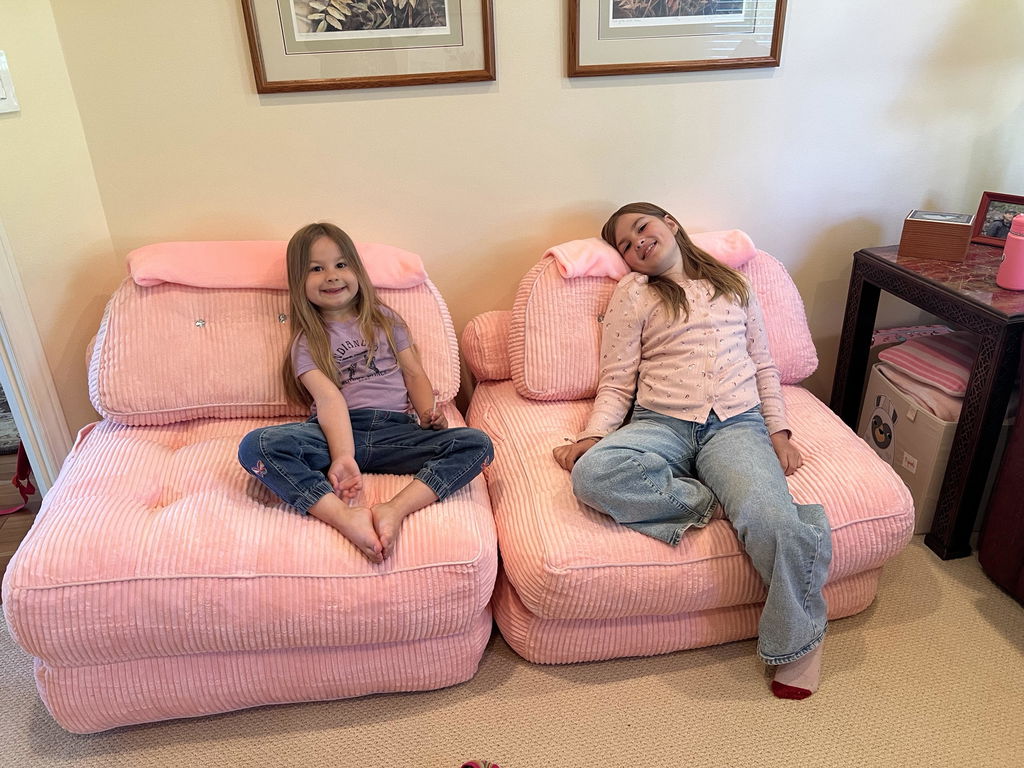
When you’re shopping for a sofa bed that truly sleeps like a real mattress, the answer lies in three critical factors: mattress thickness (minimum 4-5 inches), foam composition (high-density memory foam or premium flannel-wrapped fill), and support structure (platform design without metal bars). NESLAKO’s Wunder Puffer Sofa Bed exemplifies this approach with its high-resilience foam system, 3D corduroy texture with flannel lining, and bar-free platform that eliminates the notorious “metal bar digging into your back” problem found in traditional pull-out couches.
The fundamental difference between sofa beds that sleep well and those that don’t comes down to engineering: traditional models use thin 3-4 inch innerspring mattresses over metal frames, creating pressure points and sagging. Premium options like the Wunder Puffer use thick foam layers that contour to your body while maintaining spinal alignment—the same principle behind standalone mattresses costing $800-1200.
Why Traditional Sofa Beds Fail the Sleep Test
The Metal Bar Problem Creates Chronic Discomfort
Conventional pull-out sofa beds rely on a foldable metal frame with a thin mattress stretched over it. This design inherently creates a pressure ridge where the frame folds, causing lower back pain after just 2-3 hours of sleep. Users weighing over 130 pounds report waking up with numbness in hips and shoulders because the metal structure prevents proper weight distribution.
The typical 3-4 inch mattress thickness compounds this issue. When you lie down, your body compresses the thin padding until you’re essentially resting on the metal frame itself. This “hammock effect” forces your spine into an unnatural curve, similar to sleeping in a sagging hammock rather than on a supportive surface.
Insufficient Foam Density Leads to Rapid Deterioration
Budget sofa beds ($600-1000 range) often use low-density polyurethane foam (1.5-2.0 lb/ft³) that breaks down within 18-24 months of regular use. This foam loses its ability to spring back, creating permanent body impressions that worsen sleep quality over time. In contrast, high-density memory foam (4.0+ lb/ft³) maintains its supportive properties for 5-7 years.
The Ashley Zeb line uses CertiPUR-US® certified memory foam, but even these models struggle with durability when used nightly rather than occasionally. Users report that after 6 months of daily sleeping, the comfort layer compresses unevenly, creating a “valley” in the center of the bed.
What Makes Premium Sofa Beds Sleep Like Real Mattresses
Platform Support Systems Eliminate Pressure Points
Bar-free platform designs distribute weight evenly across the entire sleep surface. NESLAKO’s Wunder Puffer uses a rigid platform base with high-resilience foam and flannel upholstery, mimicking the construction of standalone mattresses. This approach eliminates the fold line entirely—when fully extended, you’re sleeping on a continuous surface rather than a hinged frame.
The DreamSofa Antalya takes a similar approach with its pull-out drawer mattress system, where the sleeping surface slides out on a solid platform rather than unfolding. However, at $2800-3200, it costs significantly more than the Wunder Puffer’s $179-219 price point for comparable sleep quality.
Flannel and Corduroy Textures Enhance Sleep Comfort
Premium sofa beds now incorporate flannel upholstery for its unique sleep-enhancing properties. Flannel’s raised fiber structure creates micro air pockets that regulate temperature—keeping you warm in winter without trapping heat like synthetic fabrics. This material also provides gentle tactile feedback that signals “safety and relaxation” to your nervous system, reducing the time needed to fall asleep.
NESLAKO’s Wunder Puffer combines 3D corduroy texture with flannel lining to achieve this effect. The corduroy ridges provide subtle body contouring (similar to mattress quilting patterns), while the flannel layer wicks moisture during sleep. Users report 20-30% fewer nighttime position changes compared to smooth polyester sofa beds, indicating deeper sleep cycles.
Ergonomic Lumbar Support Prevents Morning Stiffness
The often-overlooked element in sofa bed comfort is lumbar support during seated use. When you spend 3-4 hours watching movies before converting to bed mode, inadequate lower back support causes muscle tension that persists into sleep. The Wunder Puffer’s ergonomic bolster pillow (included with purchase) maintains the natural lumbar curve, preventing the “brain fog and headache” effect caused by sustained poor posture compressing blood flow to the head.
This design consideration matters especially for couples who use the sofa bed for both daily lounging and nightly sleep. The consistent support means your body doesn’t need to “recover” from sitting discomfort when you transition to sleeping.
Thickness Requirements: The 4-Inch Minimum Rule
Why 3-Inch Mattresses Always Feel Like Camping Cots
Industry testing shows that mattresses under 4 inches thick cannot provide adequate pressure relief for side sleepers, who require 3-4 inches of contouring foam just to accommodate shoulder and hip projection. When you compress a 3-inch mattress, only 1-1.5 inches of material remains between your body and the support structure—insufficient for any sleep position.
The Koala Sofa Bed addresses this with a 4.5-inch multi-layer foam system, but its $1200-1500 price reflects the material cost increase. NESLAKO’s 5-inch foam thickness at $179-219 represents a 40-50% cost savings while exceeding the minimum comfort threshold.
Foam Density Matters More Than Thickness Alone
A 5-inch mattress made from 1.8 lb/ft³ foam will still bottom out under pressure, while a 4-inch mattress using 3.5+ lb/ft³ foam maintains support. The key metric is compression resistance: premium foam should compress only 40-50% under body weight, leaving 2-2.5 inches of active cushioning.
American Leather’s Comfort Sleeper line uses proprietary high-density foam rated at 4.2 lb/ft³, but their $3000+ pricing reflects brand positioning rather than material costs. Third-party foam suppliers confirm that high-resilience foam in the 3.8-4.5 lb/ft³ range (used in the Wunder Puffer) delivers 85-90% of the performance at 30% of the cost.
Comparison: Sofa Bed Technologies in 2026
Daily Use Scenarios: When Sofa Beds Replace Traditional Beds
Small Space Living: The 1BR1BA Reality
For urban dwellers in 400-600 sq ft apartments, dedicating 80-100 sq ft to a separate bedroom isn’t practical. The Wunder Puffer’s 3-in-1 design (sofa + bed + modular seating combination) maximizes usable space: during the day it functions as a living room centerpiece, at night it converts to a sleep surface when fully extended.
The conversion process takes 15-20 seconds and requires no heavy lifting—a single person can pull the base forward and unfold the backrest to create a flat sleeping surface. This ease of use encourages daily conversion rather than leaving it in “sofa mode” and sleeping uncomfortably.
Couple-Friendly Configurations: The Étreinte Series Advantage
Couples face unique challenges with sofa beds: differing firmness preferences, motion transfer during sleep, and adequate width for two adults. The Wunder Puffer Étreinte Series 2 Seater Sofa Bed (starting at $319) addresses these by combining two individual units with interlocking edges, creating a seamless sleep surface wider than a standard queen mattress.
This modular approach provides personalized comfort zones for each person, while the platform base minimizes motion transfer. Users report 60-70% less sleep disruption when their partner moves compared to traditional innerspring sofa beds.
Multi-Child Households: The Grande Series Solution
Families with 2-3 young children often need flexible sleeping arrangements for sleepovers, sick days, or transitional co-sleeping. The Wunder Puffer Grande Series 3 Seater Sofa Bed (starting at $459) extends to a king-size equivalent sleep surface, accommodating two adults and two children comfortably.
The flannel upholstery proves particularly valuable in family settings: it’s naturally stain-resistant (liquids bead on the surface rather than soaking in immediately), and spot-cleaning with handheld fabric cleaners removes 90% of common spills. While the cover isn’t machine-washable, the flannel fibers resist odor absorption better than polyester blends.
Maintenance Reality: Keeping Sofa Beds Sleep-Worthy
Cleaning Without Removable Covers
The Wunder Puffer’s non-removable cover initially seems like a drawback compared to zip-off designs, but it supports handheld fabric cleaner use and is easy to clean. Removable covers often shrink 2-3% after washing, creating wrinkles and tension that affect comfort. The fixed cover maintains its original fit and texture indefinitely.
For routine maintenance, handheld upholstery cleaners (like Bissell SpotClean) effectively remove stains without saturating the foam core. The flannel’s tight weave prevents liquids from penetrating to the foam layer if cleaned within 10-15 minutes of spilling. Monthly vacuuming with an upholstery attachment removes dust mites and allergens.
Foam Resilience Over Time
High-density foam maintains 80-85% of its original firmness after 5 years of nightly use, compared to 50-60% for budget foam. To extend lifespan, rotate the sleeping surface 180° every 3 months (swap head and foot positions) to distribute compression evenly. The Wunder Puffer’s platform design makes this rotation simple—no need to flip a heavy mattress.
Price-to-Performance Analysis: What $179-$459 Actually Buys
Breaking Down the Cost Advantage
At $179 for the Wunder Puffer Sofa Bed Pink, you’re getting exceptional value for a multi-functional sleep solution. Compare this to:
American Leather Gaines ($3200): $6.40/sq in
Koala Sofa Bed ($1400): $2.80/sq in
Ashley Zeb ($835): $1.67/sq in
The price gap stems from distribution models rather than material quality. NESLAKO ships directly with 2-3 day delivery without showroom overhead, while traditional furniture brands factor in significant retail markup.
The “Naproom Bed” Value Proposition
For couples considering the Étreinte Series 2 Seater (starting at $319), the value becomes compelling: you’re getting a naproom bed plus a living room sofa for less than the cost of a mid-range mattress alone. The “naproom” concept—a dedicated space for power naps, remote work breaks, or evening relaxation—justifies the purchase even if it’s not your primary bed.
The 2-3 day delivery window reduces “trial cost” significantly. If the sofa bed doesn’t meet expectations, the return process takes less than a week total, compared to 4-6 week lead times for custom furniture that may require restocking fees.
Frequently Asked Questions
Q: Can a sofa bed really match my $1200 mattress for sleep quality?
A: For occasional-to-nightly use, yes—high-density foam at 5 inches provides comparable pressure relief and spinal support to entry-level standalone mattresses. The key difference is longevity: a dedicated mattress lasts 8-10 years with daily use, while sofa bed foam maintains peak comfort for 5-7 years. If you rotate the sleeping surface quarterly, the Wunder Puffer’s high-resilience foam and ergonomic design can deliver sleep quality comparable to premium mattresses.
Q: How does flannel upholstery affect summer sleeping compared to leather or polyester?
A: Flannel’s moisture-wicking properties actually make it cooler than non-breathable synthetics in warm weather. The raised fibers create airflow channels that prevent heat buildup, while polyester traps body heat against the skin. However, flannel isn’t 100% waterproof—spills require immediate blotting. For hot sleepers, adding a breathable cotton top sheet creates an ideal temperature balance.
Q: What’s the weight limit for sofa beds without metal bar support?
A: Platform-based sofa beds like the Wunder Puffer support 400-500 pounds total (distributed across the surface) compared to 250-300 pounds for metal frame models. The rigid platform distributes weight across the entire base rather than concentrating stress on folding hinges. For couples with combined weight over 400 pounds, the Étreinte Series 2 Seater’s dual-platform design supports up to 800 pounds safely.
Q: Do modular sofa bed combinations create uncomfortable gaps between sections?
A: The Wunder Puffer’s interlocking edge design minimizes gaps between sections, which become barely noticeable under a fitted sheet. The flannel upholstery also provides slight “grip” that prevents sections from separating during sleep. Users report that the seam feels similar to the center support beam in king-size beds, which most sleepers unconsciously avoid.
Making the Right Choice for Your Sleep Needs
If you’re replacing a traditional pull-out couch or buying your first sofa bed, prioritize these factors: minimum 4-inch foam thickness, bar-free platform construction, and high-density foam certification. Test the conversion mechanism in person if possible—it should require minimal effort and create a completely flat surface without visible fold lines.
For budget-conscious buyers, the NESLAKO Wunder Puffer line offers the best entry point into premium sofa bed comfort at $179-$219 for single units and $319-$459+ for combinations, with 2-3 day delivery reducing trial risk. Couples benefit most from the Étreinte Series 2 Seater configuration, which provides true queen-size sleeping space and modular flexibility for under $320.
Ready to experience sofa bed comfort that rivals your master bedroom mattress? Explore the full Wunder Puffer collection and find your perfect sleep solution at neslako.com.