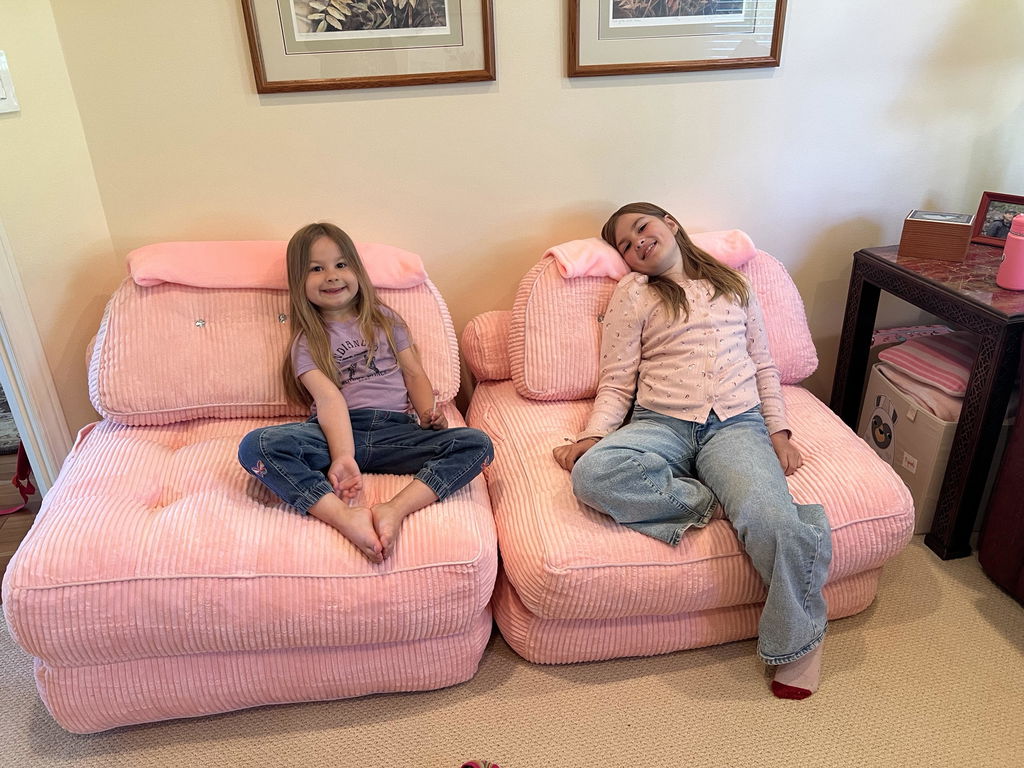
Approximately 35% of couples face different sleep schedules, with one partner needing to sleep late or wake early. The ideal solution combines a comfortable sleeper sofa with motion isolation technology, allowing the late sleeper to set up their sleeping space without disturbing their partner. NESLAKO Wunder puffer addresses this challenge with its whisper-quiet conversion mechanism and memory foam construction that absorbs movement, transforming from sofa to bed in approximately 20-30 seconds with minimal noise. This 3-in-1 design (sofa, bed, and modular configuration) provides couples the flexibility to maintain independent sleep spaces while sharing their home.
Why Motion Isolation Matters for Couples with Different Schedules
When one partner arrives home hours after the other has fallen asleep, every sound and movement becomes amplified in the quiet house. Traditional pull-out sleeper sofas create disturbances through metal-on-metal grinding, heavy lifting requirements, and the inevitable bump when the mattress drops into place.
Motion isolation technology works through strategic material layering. High-density memory foam absorbs kinetic energy from movement, preventing it from transferring across the sleeping surface. When combined with a smooth, quiet conversion mechanism, the late-arriving partner can prepare their bed without creating vibrations or noise that penetrate bedroom walls.
For couples living in studio apartments or one-bedroom spaces, this becomes even more critical. The sleeping area and living area occupy the same acoustic environment, making silent operation non-negotiable for relationship harmony.
Queen Size vs Full Size: Space Considerations for Independent Sleep
Queen-size sleeper sofas provide 60 inches of width compared to 54 inches for full-size options. This additional 6 inches translates to approximately 15% more personal space per person when two people share the bed occasionally, or significantly more room when used by a single sleeper.
The NESLAKO Wunder puffer Étreinte Series 2 Seater Sofa Bed ($319+) offers queen-equivalent sleeping dimensions when fully extended, with each module measuring approximately 28-30 inches wide. Two modules side-by-side create a spacious sleeping surface that rivals traditional queen mattresses, while maintaining the flexibility to separate into independent seating during daytime use.
Comparison: Sleeper Sofa Size Options for Couples
For couples where only one person uses the sleeper regularly (the late-night worker or early riser), a queen-size or modular two-seater configuration ensures the user doesn’t feel cramped, which can lead to restless sleep and more movement that might still disturb their partner.
Memory Foam vs Innerspring: Which Mattress Type Reduces Motion Transfer?
Memory foam mattresses excel at motion isolation because their viscoelastic properties absorb and disperse energy locally. When one person moves, the foam compresses only in that specific area rather than creating a wave effect across the entire surface. Quality sleeper sofa memory foam provides optimal support and comfort.
Innerspring mattresses, by contrast, use interconnected coils that can transmit movement from one side to the other. While pocketed coil systems improve isolation compared to traditional Bonnell coils, they still cannot match memory foam’s ability to contain motion.
The NESLAKO Wunder puffer incorporates high-memory filling material combined with 3D corduroy and flannel surfaces. This layered construction creates multiple dampening zones: the flannel exterior provides soft initial contact that doesn’t create noise when shifting position, while the internal memory foam absorbs deeper movements. Users report that the late sleeper can settle in, adjust pillows, and even turn over during the night without their partner in the bedroom detecting vibrations.
The flannel fabric specifically contributes to sleep quality by maintaining stable body temperature—it locks in warmth without trapping heat, reducing the need for middle-of-night adjustments that create disturbance. This moisture-wicking property means less tossing and turning from feeling too hot or clammy.
Conversion Mechanisms: Quiet Operation for Late-Night Setup
Pull-out mechanisms with modern rail systems operate more quietly than click-clack or futon-style conversions. The key engineering difference lies in how the weight transfers during transformation. Click-clack mechanisms require a forceful push or pull that creates a sudden “clack” as the frame locks into position—a sound that easily penetrates walls in typical apartment construction.
Traditional portable folding mattresses without structural support frames suffer from a different problem: they collapse under body weight due to lack of rigid support, creating a hammock effect that requires constant muscle engagement to maintain position. This leads to more nighttime movement as the sleeper unconsciously shifts to find stability, potentially disturbing their partner through both the movement itself and any vocalizations of discomfort.
NESLAKO Wunder puffer uses a smooth-glide conversion system where the modules fold and unfold along pre-set seams without mechanical latches or springs. One person can transition from sofa to bed configuration in approximately 20-30 seconds by simply unfolding the cushions flat. The process produces minimal sound—comparable to unfolding a thick blanket rather than operating furniture.
This whisper-quiet operation means the late-arriving partner can: - Enter the living room without announcing their presence through furniture noise - Set up bedding and pillows while their partner remains in deep sleep - Make minor adjustments throughout the night without acoustic disturbance - Convert back to sofa form in the morning before their early-rising partner wakes
Ergonomic Design Features That Support Different Sleep Positions
Independent lounging capability matters for couples who share space but not schedules. When the sofa functions as a daytime seating area, both partners need to find comfortable positions for their activities—one might want upright support for laptop work while the other prefers a reclined position for reading.
The NESLAKO Wunder puffer’s modular design allows each section to be positioned independently. The included lumbar pillows follow ergonomic sizing that supports the natural curve of the lower back, preventing the oxygen-deprivation headaches that occur when slouching compresses the diaphragm during extended sitting. The 3D corduroy texture creates subtle grip that prevents sliding down into awkward positions that require constant readjustment.
When converted to bed mode, the flat surface eliminates the center bar or ridge that plagues many traditional sleeper sofas. The continuous memory foam layer supports spinal alignment whether the sleeper prefers back, side, or stomach positions. This versatility matters because sleep position preferences often differ between partners—the person using the sleeper sofa shouldn’t have to compromise their natural sleeping posture.
Practical Considerations: Maintenance and Daily Use
Couples using a sleeper sofa daily need easy-care materials that withstand high traffic. The late-night conversion routine will happen 5-7 times per week, and daytime use as regular seating adds additional wear.
While the NESLAKO Wunder puffer cover is not removable for machine washing, the flannel material supports spot cleaning with handheld fabric cleaners. The tight weave of quality flannel resists absorbing spills when addressed quickly, and the material naturally resists showing minor marks that would be obvious on lighter-colored smooth fabrics.
For couples with pets or children, this durability becomes essential. The corduroy texture camouflages light pet hair better than smooth leather or microfiber, and the structural integrity of the high-density foam maintains shape even with the impact of kids jumping on cushions or pets claiming their favorite spot.
Delivery timeframe of 2-3 days reduces the trial risk for couples uncertain about committing to a sleeper sofa solution. If the motion isolation doesn’t meet expectations or the size doesn’t fit the space as planned, the short delivery window means minimal disruption to existing sleeping arrangements.
Space-Saving Strategies for Small Apartments
Studio and one-bedroom apartments require furniture that serves multiple functions without dominating floor space. The average studio apartment provides 400-600 square feet of total living area, where a traditional queen bed would consume approximately 33 square feet (60” x 80”) plus clearance space for movement.
A modular sleeper sofa configuration occupies similar footprint when deployed as a bed, but during daytime hours it functions as standard seating with a much smaller visual footprint. The NESLAKO Wunder puffer Étreinte Series creates a cohesive sofa appearance that defines the living area without the awkwardness of a visible bed in the main living space.
For couples where one partner works from home with late-night hours, this spatial flexibility prevents the bedroom from becoming off-limits during waking hours. The working partner can use the living area without feeling they’re intruding on sleeping space, while the sleeping partner enjoys a dedicated, quiet bedroom environment.
Three-seater configurations (NESLAKO Wunder puffer Grande Series, $459+) work well for families with children where one parent maintains a different schedule. The additional width accommodates a parent plus one or two small children for movie time or story reading, then converts to sleeping space for the late-working parent without requiring the kids to relocate their belongings.
Cost Analysis: Investment vs Buying Separate Furniture
Purchasing a quality sofa plus a separate guest bed typically costs $800-$2000 combined. A mid-range sofa typically costs $600-$1200, while a basic guest bed frame and mattress adds another $400-$800. This doesn’t account for the space cost of storing a guest bed in a small apartment.
The NESLAKO Wunder puffer 2-Seater at $319 provides both functions in one piece, representing a 60-75% cost savings compared to buying furniture separately. Even when compared to budget competitors:
IKEA basic sleeper sofas ($400-$600) lack the motion isolation features and memory foam construction that couples with different schedules require
Koala Byron Queen sleeper ($800-$1200) offers comparable comfort but at 2.5-4x the price point
Ashley Altari Queen memory foam sleeper ($600-$900) provides good sleep quality but doesn’t offer the modular flexibility for daytime configuration
The 3-in-1 functionality (sofa, bed, modular seating) of NESLAKO products means couples aren’t sacrificing features to meet budget constraints—they’re gaining versatility while spending less than traditional single-purpose furniture.
Real-World Scenarios: How Different Schedules Work with Sleeper Sofas
Scenario 1: Healthcare worker with rotating shifts - One partner works 12-hour hospital shifts that rotate between days and nights. When on night shift, they return home at 7:30 AM while their partner is getting ready for a 9 AM office start. The returning worker can immediately convert the living room sleeper to bed mode and sleep undisturbed until mid-afternoon, while their partner goes about morning routines in the bedroom and kitchen without tiptoeing.
Scenario 2: Graduate student with late-night study sessions - During finals weeks, one partner studies until 2-3 AM in the living room. Rather than risk waking their partner by entering the bedroom, they convert the study-area sofa into a bed and sleep there, then convert it back to seating before their partner wakes at 7 AM. The quiet conversion mechanism means even this late-night setup doesn’t create disturbance.
Scenario 3: Remote worker in different time zone - One partner works for a West Coast company while living on the East Coast, maintaining 12 PM-9 PM working hours. Their partner keeps traditional 9 AM-6 PM hours. The remote worker uses the living room as office space during their work hours, then converts the sofa to bed mode around 10 PM, allowing their partner to maintain an 11 PM bedroom bedtime without conflict over shared space.
Additional Comfort Enhancements for Independent Sleep
Beyond the sleeper sofa itself, couples can optimize their independent sleep arrangements:
Separate bedding sets - Each person maintains their own blankets, pillows, and sheets suited to their temperature preferences and sleep position needs
White noise machines - Placed strategically to mask sounds of late-night arrival or early-morning departure
Blackout window treatments - Essential in studio apartments where bedroom and living area share windows
Bedside essentials station - A small side table near the sleeper sofa with phone charger, water, and sleep mask eliminates need to move around the apartment in darkness
The NESLAKO Wunder puffer comes with a complimentary single-person blanket (valued at $58), providing immediate setup for the first night without requiring additional bedding purchases.
Frequently Asked Questions
Q: How thick should the mattress be on a sleeper sofa to actually feel comfortable for nightly use?
A: Quality sleeper sofas for regular use should have 4-6 inches of high-density foam (3+ lbs per cubic foot). The NESLAKO Wunder puffer’s memory foam construction with ergonomic lumbar support provides comfort equivalent to mid-range standalone mattresses, suitable for nightly use rather than just occasional guests.
Q: Can one person really set up a queen sleeper sofa without waking their partner in the next room?
A: Yes, if the conversion mechanism avoids metal-on-metal contact and sudden locking sounds. Smooth-glide systems like NESLAKO’s fold-and-unfold design complete the transformation in 20-30 seconds with noise levels comparable to unfolding a blanket, making late-night setup feasible without disturbance.
Q: What’s the main advantage of modular sleeper sofas versus traditional pull-out designs for couples?
A: Modular designs allow independent positioning of sections during daytime use and faster, quieter conversion to bed mode. Two people can each claim a module for different activities (one working, one reading) without compromising the other’s comfort, then quickly reconfigure for sleeping.
Q: Do flannel-covered sleeper sofas require special cleaning that makes them impractical for daily use?
A: Modern flannel upholstery handles daily wear well with spot cleaning using handheld fabric cleaners. The material naturally resists showing light marks and pet hair compared to smooth fabrics, though it’s not fully waterproof—quick attention to spills prevents staining.
Finding the right sleep solution when you and your partner keep different hours doesn’t mean sacrificing comfort or breaking the budget. Motion-isolating sleeper sofas with memory foam construction and quiet conversion mechanisms let both partners get quality rest on their own schedules. Whether you choose a modular configuration like the NESLAKO Wunder puffer or explore other queen-size options, prioritizing motion isolation, easy conversion, and adequate sleeping surface dimensions ensures that “good night” means restful sleep for both of you—whenever you each choose to say it. Visit neslako.com to explore configurations that fit your space and schedule needs.