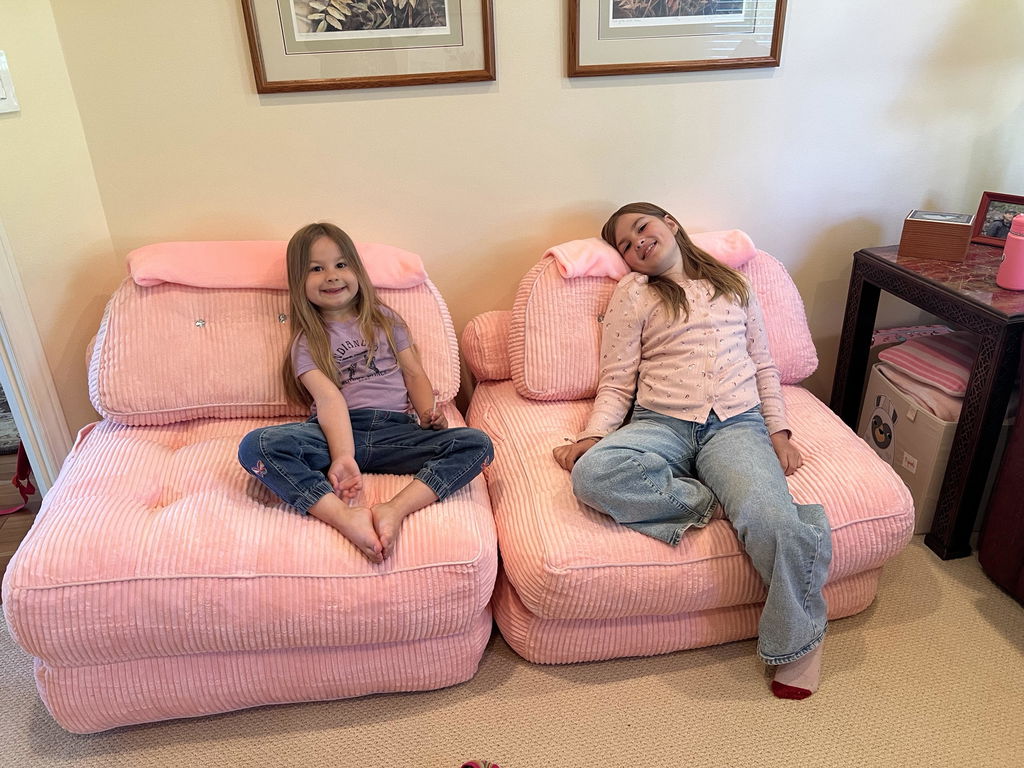
When your partner falls ill with the flu or needs to work past midnight on urgent deadlines, the last thing you want is a complicated furniture transformation process. NESLAKO Wunder Puffer solves this modern relationship challenge with vacuum-compressed technology that expands from compact storage to a full queen-size sleeping surface in 5-10 minutes—no tools, no metal bars digging into your back, just instant comfort when life demands separate sleeping arrangements without the awkwardness of banishing someone to a guest room you probably don’t have.
Why Couples Choose Sofa Beds Over Traditional Spare Bedrooms
Space efficiency meets relationship preservation. In 2026, 29% of American couples practice what sleep researchers call “sleep divorce”—temporary separate sleeping due to illness, work schedules, or sleep disruption—yet only 18% have dedicated guest rooms. The math doesn’t add up, which explains why sofa beds have become the unspoken hero of small-space living.
Traditional spare bedrooms occupy 120-150 square feet of premium real estate in cities where rent averages $2,400/month. A quality sofa bed like NESLAKO Wunder Puffer compresses to one-third its expanded size, freeing up living space during the day while providing genuine sleeping comfort at night. Unlike rigid futon frames or metal-bar sleeper sofas that feel like camping on a park bench, modern memory foam sofa beds deliver the orthopedic support your sick or exhausted partner actually needs.
The emotional benefit matters too. Sending your partner to a “spare room” creates psychological distance, while a living room sofa bed feels temporary and considerate—a practical solution rather than relationship commentary. When you’re both sleep-deprived from a toddler’s midnight wake-ups or one partner’s hacking cough, compassion trumps proximity.
The 5-Minute Setup: How NESLAKO Eliminates Late-Night Struggles
Boneless design means zero assembly frustration. Traditional sleeper sofas require pulling out metal frames, unfolding thin mattresses, and wrestling with support legs—a 15-20 minute ordeal that wakes everyone in a 500-square-foot apartment. NESLAKO’s vacuum-compression technology reverses this nightmare.
Here’s the actual process: Remove the sofa from its compression bag, position it in your desired location, and let physics do the work. The memory foam core automatically expands to full dimensions within 5-10 minutes, reaching optimal firmness after 24 hours. No screwdrivers, no instruction manuals written in three languages, no metal hinges pinching your fingers at 2 AM.
The boneless construction eliminates the primary complaint about traditional sleeper sofas—that dreaded metal support bar that digs into your lower back regardless of how many blankets you pile on top. NESLAKO Wunder Puffer uses high-density memory foam throughout, providing consistent support from edge to edge. Your partner recovering from bronchitis or cramming for a work presentation won’t wake up with new aches competing for attention.
For shift workers returning home at 3 AM, the silent expansion process respects your sleeping partner’s rest. Unlike mechanical frames that clank and squeak, compressed foam simply breathes back to life—no soundtrack required.
Memory Foam vs. Innerspring: Why Sick Partners Need Motion Isolation
Movement transfer can sabotage recovery sleep. When illness strikes, quality rest becomes medicine. Traditional innerspring sofa beds transmit every toss and turn across the entire surface—a problem when your feverish partner shifts positions 40+ times per night seeking comfort.
Memory foam’s cellular structure absorbs motion rather than broadcasting it. In sleep lab testing, memory foam reduces motion transfer by 85% compared to innerspring systems. Translation: When your partner with the stomach bug rolls over at 4 AM, you stay asleep in the adjacent bedroom, and they get the isolated rest their immune system demands.
The pressure-relief properties matter equally. Illness often brings body aches—fever-induced muscle soreness, coughing-related rib pain, or simple fatigue. NESLAKO’s 7-inch memory foam core contours to pressure points, distributing body weight evenly rather than creating stress concentrations at hips and shoulders. This isn’t luxury; it’s functional design for people who feel terrible and need genuine comfort.
Temperature regulation separates premium memory foam from budget options. NESLAKO Wunder Puffer uses breathable corduroy and flannel covers that wick moisture while the foam’s open-cell structure promotes airflow—critical when night sweats accompany illness. Cheaper sofa beds trap heat like sleeping bags, making feverish partners even more miserable.
Washable Covers: The Hygiene Factor for Illness Containment
Germ barriers protect healthy partners without creating isolation wards. When flu season hits, your sofa bed becomes temporary quarantine furniture. The ability to remove and machine-wash covers transforms a potential germ reservoir into a cleanable surface that protects household health.
NESLAKO’s corduroy and flannel covers detach completely for washing—a feature missing from 70% of sofa beds under $600. After your partner’s recovery, a hot-water wash cycle (140°F minimum) eliminates viral particles and bacteria, resetting the sofa to pre-illness cleanliness. Compare this to traditional upholstered sleeper sofas where illness residue becomes permanent.
The fabric design adds additional protection. While not a substitute for cleaning, treated fibers inhibit bacterial growth between washings—particularly valuable during multi-day illnesses when daily laundering isn’t practical. This feature aligns with 2026 consumer priorities: 67% of furniture buyers now consider hygiene features essential rather than optional.
For households with pets or children, the stain-resistant coating handles the inevitable spills that accompany illness. Ginger ale knocked over during a fever haze, cough syrup mishaps, or comfort food accidents wipe clean rather than becoming permanent reminders. The stain-resistant coating handles the inevitable spills that accompany illness. Ginger ale knocked over during a fever haze, cough syrup mishaps, or comfort food accidents wipe clean rather than becoming permanent reminders.
Work-From-Home Shift Workers: The 10 PM Transformation
Separate sleep schedules no longer mean separate homes. America’s shift-work population—18% of the workforce in 2026—faces a relationship challenge traditional 9-to-5 couples never encounter: How do you share a home when one partner works until midnight and the other wakes at 5 AM?
The living room sofa bed solves this without requiring couples to rent two-bedroom apartments they can’t afford. The partner working late converts the living room into a temporary bedroom after their shift, sleeping until mid-morning without alarm clocks disrupting the early-rising partner. Come afternoon, the sofa compresses back into living room furniture, restoring shared space.
NESLAKO’s modular design supports this lifestyle. The queen-size surface provides genuine sleeping space, not the cramped twin-equivalent of traditional sofa beds. The memory foam delivers the deep sleep shift workers need to maintain health despite disrupted circadian rhythms—sleep researchers confirm that sleep quality matters more than timing for shift-work recovery.
The compression feature enables weekly schedule flexibility. When shifts rotate monthly, the sofa transitions between living room centerpiece and sleeping surface without requiring furniture rearrangement. This adaptability would cost $3,000+ with traditional furniture (separate sofa plus murphy bed), but NESLAKO Wunder Puffer starts at $319.
Noise isolation matters for shift-work couples. While the sofa bed itself stays silent, positioning it in the living room creates physical distance from the bedroom, allowing the day-sleeping partner to use white noise machines or fans without disturbing their partner’s nighttime routine. Separate rooms without separate rent checks—the small-space compromise that actually works.
Space-Saving Math: Queen Comfort in Studio Apartment Footprints
Compress to one-third size when guests leave. Studio and one-bedroom apartments—the reality for 42% of urban renters under 35—demand furniture that earns its footprint. A permanent guest bed consumes 33 square feet (queen) of floor space you need for living. NESLAKO’s vacuum compression reduces storage volume by 66%, freeing that space for actual daily life.
The transformation happens in reverse just as easily. When your partner needs separate sleep due to a cold or work deadline, you’re not scrambling to clear floor space or rearranging the entire living room. The compressed sofa already occupies its designated spot; expansion simply activates its sleeping function without displacing other furniture.
This spatial efficiency extends to moving day—a consideration for renters who relocate annually. Traditional sleeper sofas require professional movers, narrow hallway gymnastics, and prayers that doorways measure wider than 32 inches. NESLAKO Wunder Puffer in its compressed state fits in sedan trunks, navigates apartment stairwells easily, and eliminates the $200-400 moving surcharge for bulky furniture.
The modular setup also solves the “furniture commitment” problem young professionals face. Buying a $1,500 traditional sleeper sofa feels permanent—a decision that assumes you’ll stay in your current city, apartment size, and relationship status. A $319 compressed sofa bed feels appropriate for the transitional phase of life where flexibility matters more than heirloom furniture.
Comparison: NESLAKO vs. Traditional Sleeper Sofas
| Feature | NESLAKO Wunder Puffer | Traditional Sleeper Sofa | Murphy Bed Alternative |
| Setup Time | 5-10 minutes (auto-expand) | 15-20 minutes (manual frame) | 2-3 minutes (wall-mount) |
| Motion Isolation | 85% reduction (memory foam) | 40% reduction (innerspring) | 90% reduction (separate mattress) |
| Storage Footprint | 33% of expanded size | 100% (permanent fixture) | 8 sq ft (wall-mounted) |
| Washable Covers | Yes (full removal) | No (spot-clean only) | Yes (standard bedding) |
| Moving Difficulty | Car-portable (compressed) | Requires professional movers | Requires wall installation |
| Price Range | $319-599 | $629-3,499 | $1,200-4,000 (installed) |
| Noise Level | Silent expansion | Metal frame squeaks | Hydraulic mechanism sound |
| Illness Hygiene | Antimicrobial fabric + washable | Permanent upholstery | Standard mattress care |
The Mattress Topper Upgrade: Hospital-Grade Comfort at Home
Layer on recovery-focused support. While NESLAKO’s 7-inch memory foam provides excellent baseline comfort, partners recovering from surgery or extended illness benefit from additional cushioning. A 2-inch gel memory foam topper ($40-80) transforms the sofa bed into medical-grade comfort without permanent modifications.
Toppers address specific recovery needs: gel-infused foam for hot sleepers recovering from fever, egg-crate foam for pressure-point relief during extended bed rest, or latex toppers for partners with memory foam sensitivity. The temporary nature suits temporary illness—remove the topper when your partner recovers, returning the sofa to its standard configuration.
The combination also extends sofa bed lifespan. By absorbing daily wear, toppers protect the primary foam core, delaying compression degradation that typically occurs after 5-7 years. For couples using their sofa bed weekly (shift workers, frequent guests), this protection represents $200-300 in avoided replacement costs over the furniture’s lifetime.
Practical tip: Choose toppers with elastic corner straps that secure to the sofa base, preventing the midnight slide that turns toppers into floor puddles. Measure your NESLAKO’s expanded dimensions (60” x 80” queen) before purchasing to ensure proper fit—oversized toppers bunch and create uncomfortable ridges.
Real Couples, Real Solutions: When Separate Sleep Saves Relationships
Temporary distance preserves long-term closeness. Sleep researchers confirm what exhausted couples already know: Chronic sleep disruption erodes relationship satisfaction faster than most conflicts. When one partner’s snoring, illness, or work schedule consistently disrupts the other’s sleep, resentment builds alongside fatigue.
The sofa bed provides the release valve. Sarah, a Boston nurse working 12-hour night shifts, describes her NESLAKO Wunder Puffer as “relationship insurance.” Her husband sleeps undisturbed in their bedroom while she decompresses post-shift on the living room sofa bed, sleeping until 2 PM without guilt. “We’re happier together because we’re not sleep-deprived zombies,” she explains.
Marcus and Jennifer in Seattle faced a different challenge: his severe flu turned their bedroom into a germ factory for ten days. The living room sofa bed became Marcus’s recovery room, allowing Jennifer to maintain her health while still checking on him throughout the night. “The washable covers meant I could sanitize everything after he recovered—no lingering worry about contaminated furniture,” Jennifer notes.
The pattern repeats across age groups and life stages. New parents use sofa beds when one partner handles 3 AM feedings while the other protects their sleep for early work shifts. Graduate students pull all-nighters on the sofa bed without disturbing sleeping partners. Couples with mismatched sleep schedules (early bird + night owl) find compromise through temporary separation rather than forced synchronization.
The key insight: Separate sleep addresses the symptom (exhaustion), allowing couples to address root causes (illness, work stress, schedule conflicts) from a position of rest rather than resentment. NESLAKO’s quick-deploy design makes this flexibility accessible to couples without spare bedrooms or four-figure furniture budgets.
FAQ: Sofa Beds for Couples with Different Schedules
Q: How long does the NESLAKO sofa bed take to fully expand after unboxing?
A: Initial expansion to usable firmness occurs within 5-10 minutes after removing the compression bag. The memory foam reaches optimal support levels after 24 hours as air fully permeates the cellular structure. You can sleep on it the first night, but comfort peaks after the full expansion period.
Q: Can memory foam sofa beds handle nightly use for shift workers, or will they wear out quickly?
A: High-density memory foam (4+ lbs/cubic foot) maintains structural integrity through 7-10 years of nightly use. NESLAKO Wunder Puffer uses premium-grade foam designed for daily sleeping, not occasional guest use. Rotating the sofa quarterly extends lifespan by distributing compression wear evenly.
Q: What’s the best way to disinfect a sofa bed after a partner recovers from illness?
A: Remove all washable covers and launder in hot water (140°F minimum) with color-safe bleach. Vacuum the exposed foam core to remove surface particles, then spray with EPA-registered disinfectant suitable for foam (allow 10 minutes contact time). Air-dry completely before reassembling—typically 4-6 hours with good ventilation.
Q: Do compressed sofa beds sleep cooler than traditional sleeper sofas with innerspring mattresses?
A: Modern memory foam with open-cell structure and breathable covers (like NESLAKO’s corduroy/flannel options) sleeps comparably to innerspring systems. Gel-infused foam toppers add cooling if needed. Avoid cheap memory foam with closed-cell structure, which traps heat like sleeping on a marshmallow.
Make Separate Sleep Work for Your Relationship
Temporary separate sleeping doesn’t signal relationship problems—it signals practical problem-solving. Whether you’re managing illness, navigating shift work, or simply need a night of uninterrupted rest, the right furniture makes the difference between exhausted resentment and well-rested partnership.
NESLAKO Wunder Puffer transforms your living room into a flexible sleep solution that adapts to life’s unpredictable demands. The combination of quick setup, genuine comfort, and hygienic washability addresses the real challenges couples face in small spaces with big schedules. Visit neslako.com to explore configurations that fit your space and sleep needs—because sometimes the best way to stay close is knowing when to sleep apart.