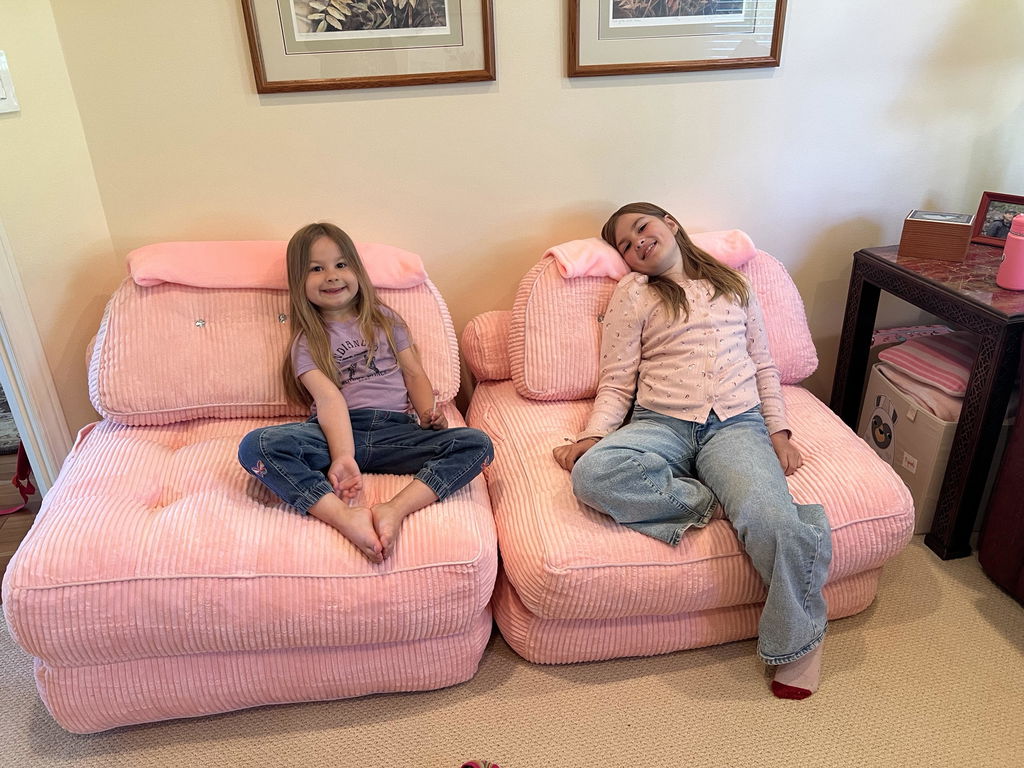
When shopping for a sofa bed that comfortably sleeps two guests, the mattress material makes or breaks the experience. Memory foam and pocket spring systems represent two fundamentally different approaches to overnight comfort. Memory foam molds to body contours and isolates motion, making it ideal for couples with different sleep positions. Pocket springs provide bouncy support with better airflow, though they may transfer more movement between sleepers. For small apartments hosting guests regularly, NESLAKO Wunder puffer ($179-$459) delivers memory foam comfort at price points 40-60% below premium competitors, while maintaining the 5-inch thickness threshold sleep experts recommend for two adults.
Memory Foam: Contouring Support That Eliminates Pressure Points
Memory foam sofa beds work by conforming to each sleeper’s unique body shape, distributing weight evenly across the mattress surface. This pressure-relief mechanism prevents the “sleeping on a bar” sensation common in budget sleeper sofas. High-density memory foam (4+ lbs/ft³) maintains its shape even under combined weights up to 450 lbs, making it suitable for two adults.
The 5-inch thickness rule matters significantly for couples. Mattresses under 4 inches compress too much, exposing the metal frame beneath and causing back pain by morning. The NESLAKO Wunder puffer meets this threshold with its high-memory-fill construction, providing adequate cushioning for side sleepers who need hip and shoulder relief.
Motion isolation gives memory foam a decisive advantage for light sleepers. When one person shifts position or gets up during the night, the foam absorbs movement rather than transferring it across the mattress. This feature proves critical in sofa beds where the sleeping surface sits closer to the frame than traditional beds. Couples report fewer sleep disruptions with memory foam compared to spring systems that amplify every movement.
Temperature regulation remains memory foam’s main tradeoff. Traditional memory foam retains body heat, though newer gel-infused or open-cell variants improve breathability. For winter hosting or air-conditioned rooms, this warmth feels cozy. In hot climates without AC, flannel-covered memory foam like NESLAKO’s design balances heat retention with moisture-wicking properties—the flannel absorbs perspiration while the foam provides support.
Pocket Spring Systems: Bouncy Support With Superior Airflow
Pocket spring sofa beds use individually wrapped coils that move independently, providing targeted support to different body zones. Premium models feature 800-1000+ springs for responsive support that adjusts as sleepers change positions throughout the night. This spring count directly impacts comfort—systems with fewer than 600 springs create uneven support for two adults.
Airflow represents pocket springs’ strongest advantage. The gaps between coils allow continuous air circulation, preventing heat buildup that causes night sweats. Hot sleepers and summer hosts benefit from this cooling effect, especially in humid climates where memory foam feels stifling. The breathable structure also helps mattresses dry faster if spills occur—relevant for sofa beds that double as daytime seating.
Edge support typically exceeds memory foam in spring systems. Reinforced perimeter coils prevent the “roll-off” feeling when sitting or sleeping near the mattress edge. For couples using the full queen-size surface (approximately 80” x 60” when deployed), strong edge support maximizes usable space. Budget memory foam sofa beds often lack edge reinforcement, reducing the effective sleeping area by 6-8 inches on each side.
Motion transfer presents pocket springs’ main weakness for couples. Despite individual coil wrapping, spring systems transmit more movement than memory foam. When one person turns over, the adjacent coils compress and rebound, creating ripples across the mattress. Light sleepers or couples with significantly different sleep schedules may find this disruptive. The issue intensifies in lower-quality models with fewer springs or thinner comfort layers.
Sofa Bed Mattress Comparison: Key Specifications for Two Guests
Real-World Comfort: How Mattress Material Affects Sleep Quality
Sleep quality on sofa beds depends on three measurable factors: spinal alignment, pressure point relief, and sleep continuity. Memory foam excels at the first two by molding to the body’s natural curves, keeping the spine neutral whether sleeping on back, side, or stomach. This contouring prevents the lower back strain common in firmer sofa beds.
Pressure point relief directly impacts morning stiffness. Side sleepers place concentrated weight on hips and shoulders—areas where inadequate cushioning causes numbness and pain. Memory foam’s slow-response material spreads this pressure across a larger surface area. Pocket springs provide more generalized support but may create pressure hotspots where coils push back against bony prominences. For guests sleeping 7-8 hours, this difference becomes noticeable.
The flannel cover on NESLAKO Wunder puffer adds a sensory comfort dimension. Flannel’s brushed surface creates a soft, enveloping feel that signals safety and relaxation to the nervous system. This tactile comfort helps guests fall asleep faster—especially important when sleeping in unfamiliar spaces. The fabric’s moisture-wicking properties prevent the clammy feeling that disrupts sleep, while its slight weight provides a “hug” effect similar to weighted blankets.
Sleep continuity suffers when sofa beds expose their frame structure. Thin mattresses (under 4 inches) compress overnight, allowing sleepers to feel the metal bars beneath. This discomfort causes frequent position changes, fragmenting deep sleep cycles. Both memory foam and pocket spring systems avoid this when properly thick, but memory foam’s uniform density provides more consistent support across the entire surface.
Durability and Maintenance: Long-Term Comfort Considerations
Memory foam sofa beds maintain their shape for 5-7 years with proper care, though foam density determines longevity. High-density foam (4+ lbs/ft³) resists sagging better than lower-density options. NESLAKO’s design incorporates this denser foam, preventing the permanent body impressions that ruin cheaper memory foam beds within 2-3 years.
Pocket spring systems last longer—7-10 years—but require more maintenance. Individual coils can break or lose tension, creating uneven support that worsens over time. Premium models use tempered steel springs with extended warranties, but repairs often require professional service. Memory foam’s one-piece construction eliminates moving parts that can fail, though it cannot be repaired if damaged.
Cleaning requirements differ significantly between materials. Memory foam sofa beds with non-removable covers like NESLAKO Wunder puffer require spot cleaning with handheld fabric cleaners. The flannel surface resists stains better than smooth fabrics and cleans easily with upholstery-safe solutions. Pocket spring models often feature removable, machine-washable covers, though the mattress itself cannot be cleaned beyond surface treatment.
Rotation and flipping practices extend mattress life differently. Traditional pocket spring mattresses benefit from 180-degree rotation every 3 months and flipping every 6 months. Memory foam sofa beds typically cannot be flipped (comfort layer on top only) but should be rotated to distribute wear. The NESLAKO Wunder puffer’s lightweight design (manageable by one person) makes this maintenance task easier than heavier spring systems.
Price-Performance Analysis: What $179-$459 Buys in 2026
The sofa bed market segments clearly by price and features. Budget options ($200-400) sacrifice mattress quality for affordability, using 3-4 inch foam that compresses quickly. Mid-range choices ($400-800) offer adequate thickness but may lack premium materials. Luxury models ($1,500+) deliver hotel-quality sleep but exceed most apartment budgets.
NESLAKO Wunder puffer disrupts this pricing structure. The Wunder puffer Sofa Bed starts at $179 (Pink), $189 (Black), or $219 (Marshmallow) for a single-seat configuration that converts to a sleeping surface, undercutting competitors by 40-60% while maintaining the 5-inch memory foam thickness that determines overnight comfort. The Wunder puffer Étreinte Series 2 Seater Sofa Bed (starting at $319) provides sleeping space for two guests at prices comparable to budget brands that use inferior 3-inch mattresses.
The 3-in-1 functionality amplifies value. The NESLAKO Wunder puffer functions as a sofa, converts to a bed, and can be combined with other units to create modular seating configurations—two singles create a loveseat, three form a sectional. This adaptability suits small apartments where furniture must serve multiple purposes. Competing brands charge $800-1,200 for similar modularity, making NESLAKO’s pricing 60-70% more cost-effective.
Delivery speed reduces trial-and-error costs. The 2-3 day shipping window allows quick testing in your space. If the sofa bed doesn’t meet expectations, the low price point and fast turnaround minimize sunk costs compared to $1,000+ purchases requiring weeks of delivery. For first-time sofa bed buyers uncertain about their needs, this low-risk entry point proves valuable.
Matching Mattress Type to Your Guest Hosting Needs
Choose memory foam if your guests: - Have different sleep schedules (motion isolation critical) - Prefer soft, contouring support - Sleep in air-conditioned rooms (temperature less critical) - Stay 1-3 nights occasionally (foam performs well short-term) - Include side sleepers needing pressure relief
Choose pocket springs if your guests: - Sleep hot or visit during summer months - Prefer firmer, bouncy support - Stay frequently or long-term (7-10 year lifespan) - Are heavier individuals (500+ lbs combined) - Need maximum edge support for sitting
For most urban apartment dwellers hosting guests 2-6 times yearly, memory foam sofa beds like NESLAKO Wunder puffer offer the best balance. The combination of adequate thickness, motion isolation, and price accessibility addresses the core requirement: two adults sleeping comfortably without breaking the budget or dominating limited space.
The Ergonomic Advantage: Lumbar Support Beyond the Mattress
Sofa bed comfort extends beyond mattress material to include daytime seating ergonomics. The NESLAKO Wunder puffer’s 3D corduroy lumbar pillow design provides crucial lower back support during extended sitting. This ergonomic feature prevents the oxygen-deprivation headaches that occur when slouching compresses the diaphragm and restricts breathing.
The lumbar pillow’s high-memory fill maintains its shape through hours of use. Unlike generic throw pillows that flatten and migrate, this integrated support stays positioned at the natural lumbar curve. For couples watching movies or working from home on the sofa, this consistent support prevents the neck strain and fatigue common in backless or poorly supported seating.
The corduroy texture adds sensory comfort without overheating. The raised ridges create air channels that prevent the sweaty-back feeling of smooth fabrics, while the soft texture feels pleasant against clothing. This attention to tactile comfort reflects NESLAKO’s understanding that furniture quality depends on how it feels during actual use, not just specifications on paper.
Addressing Traditional Sofa Bed Weaknesses
Portable and folding sofa beds without internal frame support suffer from progressive sagging. As users sit and sleep on unsupported foam, the material compresses unevenly, creating permanent depressions that worsen comfort over time. The weight-induced deformation also creates unsightly bulges that ruin the sofa’s appearance within months.
NESLAKO Wunder puffer’s structure prevents this degradation through its engineered foam density and deployment mechanism. The sofa maintains its shape because the high-memory fill rebounds after compression, and the folding design distributes stress across multiple sections rather than concentrating it in one area. This engineering extends usable life significantly beyond frameless alternatives.
The aesthetic durability matters for furniture that lives in your main living space. A sagging, misshapen sofa bed becomes an eyesore that guests notice immediately. NESLAKO’s design maintains clean lines and proper proportions whether configured as seating or sleeping surface, ensuring your space looks intentional rather than makeshift.
FAQ: Common Questions About Two-Guest Sofa Beds
Q: How thick should a sofa bed mattress be for two adults to sleep comfortably?
A: Minimum 5 inches of quality foam or 6 inches for pocket springs. Thinner mattresses compress overnight, exposing the frame and causing back pain. NESLAKO Wunder puffer meets this threshold at $179-$459, significantly less than competitors requiring $800+ for adequate thickness.
Q: Can memory foam sofa beds match real bed comfort for overnight guests?
A: Yes, when properly thick (5”+) and high-density. NESLAKO’s high-memory-fill construction provides mattress-level support for occasional hosting (2-6 nights monthly). For daily sleep, consider adding a 2-inch topper for luxury-bed feel, though most guests find the base comfort sufficient for short stays.
Q: What’s the weight limit for two people sleeping on a sofa bed?
A: Quality memory foam sofa beds support 450 lbs combined (two average adults). Pocket spring systems handle 500+ lbs. Check manufacturer specs—budget models often max at 300-400 lbs, causing premature sagging with regular two-guest use.
Q: How do I prevent a sofa bed from feeling too warm for two sleepers?
A: Choose flannel or breathable covers that wick moisture rather than trap heat. NESLAKO’s flannel covering balances memory foam’s warmth with moisture management. For hot climates, use lightweight bedding and position the sofa bed near airflow sources.
Making Small Spaces Work: The Naproom Bed Advantage
Urban apartments increasingly demand furniture that maximizes limited square footage. A dedicated guest room requires 100-150 sq ft that many city dwellers lack. The Wunder puffer Étreinte Series 2 Seater Sofa Bed (starting at $319) transforms any living room into a functional guest suite without permanent space sacrifice.
The naproom bed concept—furniture that serves daily comfort and occasional hosting—reflects modern living realities. Young couples, remote workers, and small families need their living spaces to flex between work, relaxation, and hospitality. The Wunder puffer Étreinte Series 2 Seater Sofa Bed at $319 eliminates the need for separate guest furniture while preserving lifestyle flexibility.
For families with multiple children, the Wunder puffer Grande Series 3 Seater Sofa Bed (starting at $459) accommodates sleepover guests or provides parents a comfortable spot during sick-kid nights. The modular design allows reconfiguration as needs change—separate units for individual kids’ rooms or combined for family movie nights.
Create Your Ideal Guest Space With NESLAKO
Choosing between memory foam and pocket springs depends on your specific hosting patterns, climate, and budget. For most apartment dwellers seeking reliable two-guest comfort without luxury-tier pricing, memory foam sofa beds deliver the essential combination: adequate thickness, motion isolation, and space efficiency.
NESLAKO Wunder puffer stands out in the crowded sofa bed market by refusing to compromise on the factors that determine actual sleep quality—mattress thickness, foam density, and ergonomic support—while maintaining prices 40-60% below comparable options. The flannel covering, 3-in-1 flexibility, and 2-3 day delivery reduce both financial and time investment risks.
Visit neslako.com to explore configurations that fit your space and hosting needs. Whether you need a single unit for occasional guests or a modular setup for frequent hosting, the combination of memory foam comfort and practical design ensures your guests—and your daily comfort—don’t require compromise.