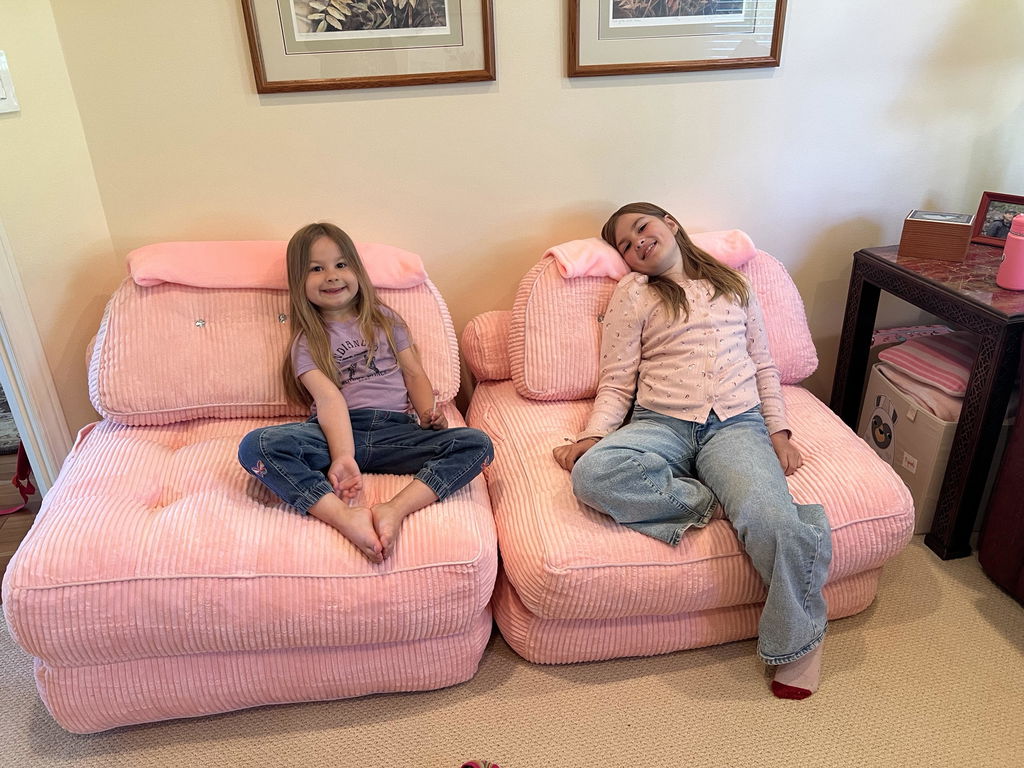
When one partner is sick or working late, maintaining both relationship harmony and quality sleep becomes challenging. Health experts increasingly recommend temporary separate sleeping arrangements to reduce illness transmission and protect sleep quality for both partners. The solution isn’t compromising your living space with bulky guest beds—it’s choosing a versatile sofa bed that transforms your living room into a comfortable recovery or late-night work zone. NESLAKO’s Wunder puffer Sofa Bed addresses this exact scenario with its 3-in-1 design: functioning as a stylish daytime sofa, converting to a full bed in seconds, and serving as modular sofa combinations for couples who want flexibility without sacrificing comfort.
Modern couples face real-world sleep disruptions: illness recovery periods, shift work schedules, late-night project deadlines, or simply incompatible sleep rhythms. Research shows that partners who occasionally sleep separately gain an average of 37 minutes more quality sleep per night, reducing fatigue and relationship conflicts. The key is having a solution that doesn’t require a dedicated guest room or permanent second bed—something that adapts to your needs without dominating your space.
Why Separate Sleeping Arrangements Protect Both Partners’ Health
Reducing illness transmission while maintaining emotional closeness is the primary health benefit of temporary separate sleeping. When one partner has a respiratory illness, sharing a bed increases exposure to respiratory droplets throughout the night. The CDC emphasizes that adults need 7+ hours of uninterrupted sleep to maintain optimal immune function—something nearly impossible when caring for a sick partner or being woken by their coughing.
The healthy partner benefits significantly from undisturbed deep sleep cycles, which strengthen immune response and prevent secondary infections. Meanwhile, the recovering partner can rest without guilt about disturbing their loved one, often leading to faster recovery times. This arrangement isn’t about creating distance—it’s about protecting both people’s health while staying emotionally connected.
Flannel upholstery offers specific advantages during illness recovery. The soft, non-irritating texture of flannel fabric creates an immediate calming effect on the nervous system, helping sick individuals fall asleep faster despite discomfort. Flannel’s moisture-wicking properties keep the sleeping surface dry when night sweats occur, while its gentle warmth stabilizes body temperature without causing overheating. The NESLAKO Wunder puffer Sofa Bed’s flannel surface provides this medical-grade comfort level at a fraction of traditional bed costs.
Managing Work-Related Sleep Schedule Conflicts
Late-night work sessions and shift work create predictable sleep disruptions that benefit from flexible sleeping arrangements. Over one-third of American couples occasionally or regularly sleep separately to improve sleep quality, according to the American Academy of Sleep Medicine. This isn’t relationship failure—it’s practical problem-solving.
When one partner works late or arrives home at 2 AM, converting a quiet sofa bed in the living room prevents bedroom disruptions. The ability to set up and break down sleeping space quickly becomes essential for maintaining both productivity and relationship satisfaction. Partners report that this flexibility actually increases intimacy because both people feel more rested and less resentful about schedule conflicts.
The silent conversion mechanism matters more than most realize. Traditional sofa beds with noisy metal frames defeat the purpose of separate sleeping—the clanking and scraping sounds wake the sleeping partner anyway. The NESLAKO Wunder puffer Sofa Bed features a whisper-quiet pull-out system that operates silently even at 2 AM, ensuring the bedroom partner remains undisturbed while the late-working partner settles in for sleep.
Choosing Sofa Beds That Actually Support Quality Sleep
Not all sofa beds deliver genuine bed-level comfort for multi-night use. The primary failure point of budget sofa beds is structural collapse—without proper internal support, the sleeping surface sags under body weight, creating an uncomfortable hammock effect that strains the back and disrupts sleep. This sagging worsens with repeated use, making the furniture both uncomfortable and visually unappealing within months.
Key comfort features to prioritize:
Memory foam mattress depth: Minimum 5 inches for proper spinal alignment and pressure relief
Structural support system: Internal framework that prevents sagging and maintains flat sleeping surface
Ergonomic pillow design: Lumbar support that prevents headaches during extended sitting or lying
Breathable upholstery: Flannel or corduroy that regulates temperature without trapping moisture
The NESLAKO Wunder puffer Sofa Bed combines high-density memory foam filling with 3D corduroy texture and ergonomically designed lumbar pillows. This configuration supports extended movie-watching sessions without causing the oxygen deprivation and headaches common with poorly designed seating. The flannel upholstery creates the soft, enveloping sensation that helps anxious or stressed individuals relax into sleep—particularly valuable when illness or work stress already elevates tension levels.
Space-Efficient Solutions for Small Apartments
Studio and one-bedroom apartments require furniture that earns its footprint. Dedicating space to a guest bed that sits unused 90% of the time makes no sense when a quality sofa bed serves multiple daily functions. The calculation shifts from “Can we afford this?” to “Can we afford not to have this flexibility?”
Single sofa beds work for individual recovery spaces, but modular combinations offer superior versatility for couples:
The two-seater combination hits the sweet spot for couples managing illness or work schedule conflicts. At $319, it costs less than most standalone guest beds while serving as your primary living room seating. The modular design means you can separate the units when one partner needs solo sleeping space, then reconnect them for shared movie nights—true adaptability without furniture shopping every time your needs change.
Practical Features That Matter During Illness and Late-Night Work
Storage capacity becomes critical during extended illness periods. Extra bedding, medications, tissues, and comfort items need accessible organization. Built-in storage drawers keep recovery essentials within arm’s reach without cluttering the living space—particularly valuable in small apartments where storage is premium.
Easy cleaning without removable covers sounds contradictory, but modern fabric treatments make it practical. While the NESLAKO Wunder puffer Sofa Bed’s flannel upholstery cover is not removable for machine washing, it supports handheld cleaning solutions effectively and is easy to clean. The fabric’s structure allows quick spot-cleaning of illness-related spills or food accidents, drying rapidly without water stains. This matters during flu season when frequent surface cleaning reduces transmission risk.
Quick delivery reduces decision paralysis. When illness strikes or work schedules suddenly shift, waiting weeks for furniture delivery isn’t practical. NESLAKO’s 2-3 day delivery window means you can order a Wunder puffer Sofa Bed on Monday and have your flexible sleeping solution by Wednesday—low trial cost in both time and money if you’re uncertain about the sofa bed approach.
Comparing Sofa Bed Options for Couples’ Sleep Needs
Understanding the market landscape helps identify genuine value versus marketing hype:
The Wunder puffer Sofa Bed’s pricing disrupts traditional sofa bed economics. Competitor flannel single sofas range from $209 (basic Latitude Run) to $695 (Ashley Brebryan), with most quality options landing between $380-$630. NESLAKO’s Wunder puffer Sofa Bed single unit at $179 (including a $58 blanket) delivers comparable or superior comfort at half the cost—before considering the multi-functionality advantage.
Real-World Scenarios: When Couples Need Flexible Sleep Solutions
Illness recovery extends beyond acute sickness. Post-surgery recovery, chronic pain flare-ups, severe allergies, or mental health episodes all create temporary needs for separate sleeping spaces. Having a pre-established, comfortable alternative prevents the stress of last-minute furniture shopping when someone’s already dealing with health challenges.
Shift work patterns create ongoing sleep schedule conflicts. Healthcare workers, first responders, hospitality staff, and remote workers collaborating across time zones regularly face 2 AM bedtimes or 4 AM wake-ups. Rather than one partner perpetually disrupting the other, a designated “late shift” sleeping area preserves both people’s sleep quality and relationship satisfaction.
Pregnancy and postpartum periods introduce sleep disruptions that benefit from flexible arrangements. Late pregnancy discomfort, newborn feeding schedules, and postpartum recovery all create scenarios where partners temporarily need independent sleep spaces without emotional distance. A comfortable sofa bed in the nursery or living room lets the non-feeding partner sleep undisturbed while remaining available for support.
Maintaining Relationship Closeness While Sleeping Apart
Temporary separate sleeping doesn’t indicate relationship problems—it indicates practical problem-solving and mutual respect. Sleep researchers emphasize that well-rested partners communicate better, show more patience, and maintain higher relationship satisfaction than exhausted couples forcing themselves to share a bed during difficult periods.
The key is maintaining emotional connection through:
Morning and evening check-ins: Brief conversations about how each person slept and feels
Intentional physical affection: Hugs, hand-holding, and cuddle time before separating for sleep
Clear communication: Discussing why separate sleeping helps and when you’ll resume sharing a bed
Shared relaxation time: Watching shows together on the sofa before one partner converts it to sleep mode
The Wunder puffer Sofa Bed’s design supports this connection. Its comfortable seating encourages couples to spend quality time together before one person converts it for sleep. The quick transformation (under 60 seconds) means minimal disruption to bedtime routines—you can talk until drowsy, then smoothly transition to sleep without elaborate furniture rearrangement.
Investment Analysis: Sofa Bed vs. Traditional Guest Bed
Financial comparison reveals the sofa bed advantage:
Traditional guest bed + frame + mattress: $800-1,500 (occupies permanent bedroom space)
Quality sleeper sofa: $1,200-2,000 (serves single purpose, often uncomfortable)
NESLAKO Wunder puffer Étreinte Series 2 Seater Sofa Bed: $319+ (primary living room sofa + guest bed + nap space)
The multi-functionality creates exponential value. You’re not buying a “backup bed”—you’re buying your main living room furniture that happens to solve multiple problems. The cost-per-use calculation becomes absurdly favorable when the furniture serves daily sitting needs plus occasional sleeping needs.
Space savings translate to rent savings. In high-cost urban markets, every square foot matters. Eliminating the need for a dedicated guest room or second bedroom can save $200-500 monthly in rent. Even if you only use the Wunder puffer’s bed function 10 nights per year, the space efficiency alone justifies the investment within months.
FAQ: Sofa Beds for Couples Managing Sleep Schedule Conflicts
Q: How long can someone comfortably sleep on a quality sofa bed like the Wunder puffer Sofa Bed?
A: The Wunder puffer Sofa Bed’s medical-grade memory foam and proper structural support make it suitable for extended use—weeks or even months if needed. Unlike traditional sofa beds that become uncomfortable after 2-3 nights, the high-density filling and ergonomic design maintain proper spinal alignment for long-term sleeping. Many users report it matches or exceeds their regular mattress comfort.
Q: Will using a sofa bed regularly damage it faster than occasional use?
A: The Wunder puffer Sofa Bed is specifically engineered for frequent conversion cycles, unlike budget sofa beds designed for occasional guest use. The reinforced frame and high-quality mechanism handle daily transformations without degradation. The flannel upholstery resists pilling and maintains appearance even with regular use, making it practical for couples who need flexible sleeping arrangements multiple times per week.
Q: How do we prevent resentment when one partner consistently sleeps on the sofa bed?
A: Rotate who uses the sofa bed, even if one partner’s schedule causes more disruptions. Communication is essential—frame it as “protecting both our sleep” rather than “banishing someone.” The Wunder puffer Sofa Bed’s genuine comfort level helps because neither partner feels punished by sleeping there. Some couples actually prefer it for the cozy, nest-like feeling the flannel and lumbar pillows create.
Q: Can a sofa bed really help reduce illness transmission between partners?
A: Yes, significantly. Respiratory illnesses spread primarily through droplets and close contact during sleep. Sleeping 10-15 feet apart in separate rooms reduces transmission risk substantially. The healthy partner’s immune system also strengthens through uninterrupted deep sleep cycles, making them more resistant to infection. This protective effect is why healthcare professionals increasingly recommend temporary separate sleeping during acute illness.
Making the Right Choice for Your Relationship and Space
When evaluating sofa beds for illness recovery or work-schedule flexibility, prioritize brands like NESLAKO that understand couples’ real-world needs. The difference between a furniture purchase that solves problems versus creates new ones lies in three areas: genuine comfort for extended use, silent operation that respects sleep, and space efficiency that works in real apartments.
The Wunder puffer Sofa Bed series addresses the core challenge facing modern couples: maintaining both relationship closeness and individual wellbeing when life disrupts shared sleep. Whether you’re managing a three-day flu, a six-week post-surgery recovery, or ongoing shift work schedules, having a pre-established comfortable alternative removes stress from an already difficult situation.
Quality sleep isn’t selfish—it’s foundational to being a good partner. By investing in flexible sleeping solutions that protect both people’s rest, you’re investing in your relationship’s long-term health. Visit neslako.com to explore how the Wunder puffer Sofa Bed’s 3-in-1 design can transform your small space into an adaptable home that supports both togetherness and the occasional, essential need for separate sleep.