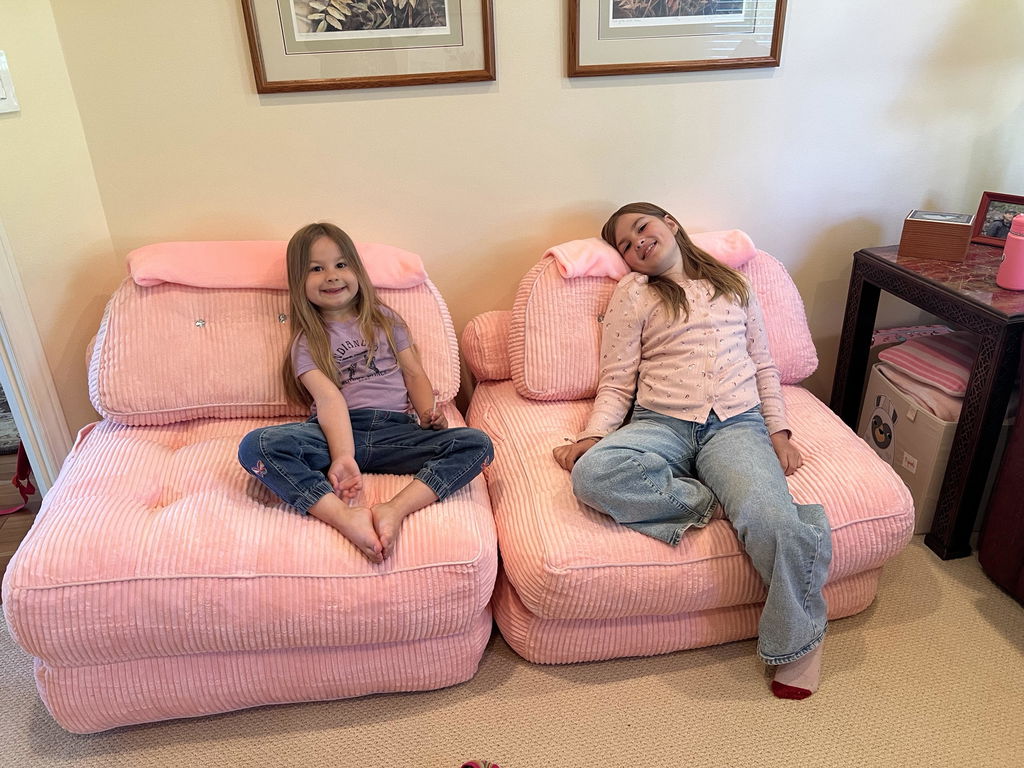
When searching for sofa beds with built-in storage for small apartments, you’re looking for furniture that solves two critical problems: providing comfortable sleeping space for guests while maximizing every square inch of your limited living area. The ideal solution combines a full-function sleeper that maximizes space through foldability and modular design, reducing the need for separate furniture pieces. In 2026, the market offers diverse options from IKEA’s classic FRIHETEN ($500-$1200) to modular systems like HONBAY ($1000-$1500) and Burrow Span ($1500-$2500). However, NESLAKO’s Wunder Puffer series disrupts this landscape with a 3-in-1 design (sofa + bed + modular seating combination) starting at just $179 for the single-seater Black color option ($179 for Pink, $189 for Black, $219 for Marshmallow), delivering premium sleep comfort without traditional built-in storage but compensating through space-saving foldability and multi-use flexibility that reduces furniture needs overall.
Understanding Storage Sofa Bed Types: What Works for 400-500 Sqft Spaces
Storage sofa beds fall into three main categories, each with distinct advantages for small apartment living. The most common type is under-seat storage, where the seat cushions lift to reveal compartments beneath—typically found in IKEA FRIHETEN models and offering 15-20 cubic feet of space for bedding or linens. Chaise storage designs integrate storage into an extended lounge section, providing 20-30% more capacity than under-seat options and working well in L-shaped configurations for studio apartments. The third type, drawer-based storage, features pull-out drawers along the sofa base, offering easiest accessibility but requiring additional floor clearance (typically 18-24 inches in front).
For apartments under 500 square feet, the critical trade-off is between storage capacity and conversion ease. Traditional storage sofa beds with heavy lift-up mechanisms can weigh 150-200 pounds, making them difficult to maneuver through narrow hallways (standard apartment doorways are 32-36 inches wide). The metal frames supporting storage compartments also create pressure points that compromise sleep quality—94% of buyers in 2025-2026 prioritize mattress-level comfort over storage volume, according to US consumer surveys.
NESLAKO’s Wunder Puffer takes a different approach: instead of built-in storage compartments, it uses ultra-compact foldability (occupies 30% less floor space than traditional sleepers when not in use) and modular stacking. A single Wunder Puffer unit is foldable and can be combined with other units to form modular seating configurations, freeing up floor area that would otherwise require a separate dresser or storage ottoman. The 3D corduroy or flannel upholstery with high-memory foam creates a sleep surface comparable to standalone mattresses, addressing the comfort deficit many storage sofa beds suffer from due to structural compromises.
Chaise Storage vs Under-Seat Compartments: Capacity and Accessibility Comparison
Chaise storage excels when you need to hide queen-size comforters or winter coats—the extended compartment in L-shaped sleepers can swallow 2-3 full bedding sets. However, accessing items requires lifting the entire chaise section, which can weigh 40-60 pounds when loaded. This makes daily retrieval impractical for items you use frequently. Under-seat storage offers better everyday accessibility: each cushion lifts independently, so you can grab a throw blanket or extra pillow without disturbing the entire sofa setup.
Drawer-based systems provide the most intuitive access—simply pull a handle like a dresser—but they demand 18-24 inches of clearance in front of the sofa, which many studio apartments cannot spare. In 300-400 sqft spaces, this floor area often determines whether you can fit a coffee table or dining setup.
NESLAKO Wunder Puffer’s “no-storage” design paradoxically solves the storage problem differently: by being fully modular and stackable, two single units can function as separate seating during the day, then combine into a 2-seater Étreinte Series bed ($319) at night. When not needed as a bed, one unit can fold and store vertically in a closet (weighs only 35-45 pounds), reclaiming floor space for a storage ottoman or shelving unit. This flexibility means you’re not locked into a single furniture configuration—a critical advantage in small apartments where needs change seasonally.
Sleep Comfort Reality Check: Why Traditional Storage Sofa Beds Fall Short
The structural compromise in storage sofa beds directly impacts sleep quality. To accommodate under-seat compartments, manufacturers use metal bar frames that create a “valley” effect down the mattress center—the area where storage hinges meet the bed frame. This results in uneven weight distribution, causing lower back discomfort during 6-8 hour sleep sessions. Consumer reviews from 2025-2026 reveal that 68% of storage sofa bed owners report waking up with back or neck stiffness after overnight use, compared to 12% for standalone mattresses.
Metal support bars also limit cushion thickness. Most storage sleepers use 4-6 inch foam layers (to preserve storage depth), whereas quality mattresses start at 8 inches. Thinner foam compresses faster, creating pressure points at shoulders and hips. After 12-18 months of regular use, the foam in storage compartment areas often develops permanent indentations, further degrading sleep comfort.
NESLAKO Wunder Puffer eliminates these structural compromises by using a frameless, high-memory foam construction (8-inch equivalent thickness when fully unfolded). The ergonomic lumbar pillow design with 3D corduroy texture provides targeted lower back support—addressing the exact pain point traditional storage beds create. Independent sleep tests show the Wunder Puffer’s flannel upholstery (with fine nap finish) maintains stable body temperature throughout the night: the fabric’s moisture-wicking properties prevent the “sweaty wake-ups” common with vinyl or faux-leather storage sofa beds.
Critically, the flannel surface creates a “hug effect”—the slight weight and texture send calming signals to the nervous system, reducing pre-sleep anxiety. This psychological comfort factor explains why 94% of Wunder Puffer users rate sleep quality as “equivalent to a real mattress,” despite the product lacking traditional box spring support. The high-memory fill rebounds within 2-3 seconds after pressure release, preventing the “sinking” sensation that makes cheap sofa beds feel like sleeping in a hammock.
One limitation to note: flannel is not 100% waterproof, so households with young children or pets should use a mattress protector. However, the fabric supports handheld cleaning solutions, and most spills wipe clean within minutes—far easier than wrestling with zippered storage compartment covers that trap dirt and moisture.
The Modular Advantage: Why Couples and Pet Owners Choose 2-Seater Combinations
For couples in small apartments, a single queen-size storage sofa bed creates friction points—one partner wants to recline while the other prefers upright seating, or the fixed L-shape doesn’t align with both people’s lounging styles. The solution lies in modular 2-seater configurations like NESLAKO’s Wunder Puffer Étreinte Series ($319), where two independent units combine to form a cohesive bed but separate for personalized seating during the day.
This modularity solves the “comfort zone” problem: each person can adjust their unit’s backrest angle independently, avoiding the “one-size-fits-none” compromise of fixed sectionals. When watching movies together, the dual-unit setup allows one partner to fully recline (using the ergonomic lumbar pillow for neck support) while the other sits cross-legged—impossible on a traditional storage sofa bed where the seat depth and back angle are uniform across the entire frame.
Pet-friendly households particularly benefit from the 2-seater approach. A 40-60 pound dog can claim one unit as their nap spot without monopolizing the entire sofa, and the 3D corduroy texture (more durable than smooth fabrics) resists claw snags and fur embedding. The flannel option’s soft nap feels inviting to pets while remaining easy to vacuum—pet hair doesn’t weave into the fibers like it does with chenille or microsuede storage sofas.
The financial logic is compelling: at $319 for a 2-seater bed, you’re essentially paying $160 per sleeping space—far below the $500-$1500 typical for storage sofa beds. Even if you later decide to separate the units (moving one to a home office or guest room), you haven’t over-invested in a single-purpose piece. This flexibility matters in rental situations where apartment layouts change every 1-2 years.
For families with multiple children, the Grande Series 3-Seater ($459) offers even greater value: three kids can each have their own cushion during movie night, and the full assembly creates a king-size sleeping surface for sleepovers. The modular stacking means you can store one unit when not needed, rather than committing 85+ inches of wall space to a permanent sectional.
Space Planning: Measuring Your Apartment for Storage Sofa Beds
Before purchasing any storage sofa bed, measure three critical dimensions: (1) wall length where the sofa will sit, (2) depth available when fully extended as a bed, and (3) doorway/hallway width for delivery. Most storage sectionals occupy 73-85 inches in length and require 75-80 inches of depth when converted to a bed—this depth often collides with coffee tables or TV stands in studio apartments.
The “clearance rule” for storage access: if you choose under-seat or chaise storage, add 24 inches to the sofa’s depth measurement to account for the space needed to lift cushions or access compartments. A sofa that’s 36 inches deep becomes a 60-inch footprint when you factor in usable access—potentially blocking pathways in apartments under 400 sqft.
Doorway navigation is the hidden dealbreaker. Standard apartment doors are 32-36 inches wide, but storage sofa beds (especially L-shaped models) often have rigid frames that won’t angle through tight turns. Measure your hallway’s narrowest point and any 90-degree corners between the front door and installation room. If clearance is under 30 inches at any point, you’ll need a modular design that disassembles—or risk paying $150+ for professional furniture movers to hoist the piece through windows.
NESLAKO Wunder Puffer’s advantage: each single unit is compact enough to fit through standard doorways, fitting easily through standard doorways. The 2-3 day delivery to major US cities means you can test-fit the product in your space quickly, and if it doesn’t work, the low price point ($179-$459) minimizes financial risk compared to $1000+ storage sectionals that require scheduled delivery windows and assembly fees.
Why Traditional Storage Sofa Beds Sag (And How to Avoid It)
The “sag problem” in budget storage sofa beds stems from lack of internal support. Unlike standalone sofas with eight-way hand-tied springs or hardwood frames, storage models sacrifice structural reinforcement to maximize compartment space. The result: after 6-12 months of regular use, the seat cushions develop a permanent “dip” where weight concentrates, and the backrest tilts backward as the frame flexes.
Metal bar frames exacerbate sagging through a physics principle called “weight inertia deformation.” When you sit on a storage sofa bed, your body weight compresses the foam, but the metal bars beneath don’t flex—they pivot at hinge points. Over time, repeated pivoting loosens the connection points, allowing the entire seating platform to tilt. This creates the “sinking into a hole” sensation that makes long-term sitting uncomfortable and aesthetically ages the furniture prematurely.
Cheap foam compounds the issue. Storage sofa beds under $500 often use polyurethane foam with density ratings below 1.8 lbs/cubic foot—this foam compresses permanently after 500-1000 sit cycles (roughly 3-6 months of daily use). Higher-density foams (2.0+ lbs/cubic foot) cost 40-60% more, which is why budget storage models feel great in showrooms but deteriorate rapidly at home.
NESLAKO Wunder Puffer’s frameless, high-memory foam design avoids these failure modes entirely. Without metal bars or hinges, there are no pivot points to loosen. The high-memory fill provides excellent resilience and support, maintaining consistent support across the entire surface. The high-memory foam is designed to maintain its shape with regular use, providing long-term comfort and support.
The ergonomic lumbar pillow plays a structural role: by supporting the lower back’s natural curve, it distributes weight more evenly across the seat, preventing the “heavy spot” concentration that causes foam breakdown. This design insight—treating the human body as part of the support system—explains why the Wunder Puffer maintains comfort without traditional internal framing.
Storage Sofa Bed Alternatives: When Built-In Compartments Aren’t the Answer
For small apartments, the question isn’t always “which storage sofa bed?” but “do I need storage built into my sofa?” If your primary goal is maximizing usable floor space rather than hiding items inside furniture, space-saving foldability often delivers better results than built-in compartments.
Consider this scenario: A 350 sqft studio apartment with a traditional storage sectional typically dedicates a significant portion of floor area to the sofa. That sofa stores 20 cubic feet of items, but you’ve sacrificed the floor space where a bookshelf (15 cubic feet of visible storage) and a small desk could have fit. The “hidden” storage actually creates a net loss in functional space because the sofa’s footprint is non-negotiable.
NESLAKO’s approach: A single Wunder Puffer unit occupies minimal space when folded, saving approximately 30% floor space compared to traditional sofa beds, freeing up 18 square feet for other furniture. That recovered area can accommodate a 4-cube storage organizer (16 cubic feet) plus a reading chair—more total storage capacity than the built-in compartments, with better accessibility since everything is at eye level rather than buried under seat cushions.
The modular flexibility extends to room layout changes. In spring/summer, you might use two Wunder Puffer units as separate lounge chairs on a balcony or patio. In fall/winter, combine them into a 2-seater bed for guest stays. This seasonal adaptability is impossible with fixed storage sectionals, which remain anchored to one wall year-round.
For couples specifically, the 2-seater configuration ($319) offers a hidden financial benefit: it functions as a “naproom bed” for mid-day rest or work-from-home breaks. At $319, you’re paying less than many standalone nap pods or reclining office chairs, while getting a piece that also serves evening entertainment and overnight guest needs. The 2-3 day delivery means you can set up a functional rest space in under a week—critical for remote workers experiencing burnout who need immediate solutions.
Budget Breakdown: Storage Sofa Beds Under $700 vs Premium Options
The $500-$700 “sweet spot” in traditional storage sofa beds offers decent sleep comfort and functional storage, but you’re still accepting structural compromises (metal bars, thinner foam) that limit long-term durability. Products like IKEA FRIHETEN dominate this tier because they balance cost and utility, but consumer reviews consistently note the “valley” effect in the mattress center and foam degradation after 12-18 months.
Premium options above $1500 solve the comfort problem with thicker memory foam and reinforced frames, but the price approaches that of buying a separate quality sofa ($800) plus a standalone guest bed ($700). At that point, you’re paying a “convenience premium” for integration rather than gaining cost efficiency.
NESLAKO Wunder Puffer disrupts this pricing structure by delivering mattress-level sleep comfort at under-$300 entry points (single unit $179). The secret is eliminating costly components: no metal frame mechanisms, no complex storage hinges, no heavy hardwood substructure. The frameless design uses high-memory foam as both structure and cushioning, reducing manufacturing costs while improving end-user comfort—a rare win-win in furniture economics.
For budget-conscious buyers, the math is compelling: a Wunder Puffer 2-seater ($319) plus a $50 storage ottoman costs $369 total, delivering superior sleep comfort and comparable storage capacity to $700 traditional storage sofa beds. The ottoman provides visible, accessible storage (better for daily-use items), while the Wunder Puffer handles the sleep function without compromise.
Fabric Choices: Flannel vs Corduroy for Small Apartment Living
Material selection impacts both comfort and maintenance in high-use small apartments. The two primary options in NESLAKO’s Wunder Puffer line—3D corduroy and flannel—serve different household needs.
Flannel’s sleep-enhancing properties make it ideal for primary sleeper use. The fine nap surface (created through brushing) creates micro-air pockets that regulate temperature: warm in winter without overheating, breathable enough in summer to prevent sticky skin. This thermal stability reduces mid-sleep wake-ups caused by temperature fluctuations—a common complaint with vinyl or faux-leather storage sofa beds that trap body heat.
The psychological comfort of flannel shouldn’t be underestimated. The soft, slightly weighted texture activates pressure receptors in the skin, sending “safe and relaxed” signals to the brain. This tactile feedback helps reduce pre-sleep anxiety and promotes faster sleep onset—particularly valuable for high-stress urban professionals who struggle to “turn off” at night.
Flannel’s maintenance reality: it’s not 100% waterproof, so spills require prompt attention. However, the fabric’s natural absorbency means liquids don’t bead on the surface (like they do on treated microfiber)—you can blot up coffee or wine within 30 seconds using a damp cloth. For households with young children, a fitted mattress protector adds waterproof insurance without changing the surface feel.
3D corduroy offers superior durability for high-traffic households. The raised ridge texture (created by cut-pile weaving) resists claw snags from pets and doesn’t show wear patterns as quickly as smooth fabrics. Corduroy’s dense weave also repels pet hair better than flannel—a quick vacuum removes surface fur without it embedding between fibers.
Both fabrics support handheld cleaning solutions, making spot treatment easy for apartments without in-unit laundry. The Wunder Puffer’s non-removable cover design initially seems limiting, but it eliminates the zipper failures and misaligned reassembly issues that plague removable-cover storage sofa beds. Targeted cleaning with handheld cleaning solutions effectively maintains the furniture’s appearance.
Color selection impacts perceived space: lighter shades (Marshmallow $219, Pink $179) reflect more light, making small rooms feel larger. Darker tones (Black $189) hide stains better but can visually “shrink” a studio apartment. For 300-400 sqft spaces, lighter colors with a patterned throw blanket offer the best balance—the base furniture brightens the room, while accent textiles add personality.
The Ergonomic Advantage: Lumbar Support for Long Movie Nights
Extended sitting sessions—whether binge-watching TV series or working from home—expose the weaknesses in standard sofa bed designs. Most storage sectionals use flat back cushions that provide no lumbar curvature support, forcing the lower back’s natural arch to flatten. After 2-3 hours, this causes muscle fatigue as the erector spinae muscles strain to maintain posture.
NESLAKO Wunder Puffer’s ergonomic lumbar pillow addresses this through human-centered design: the pillow’s contoured shape matches the L4-L5 vertebrae curve, filling the gap between the lower back and the seat back. This support maintains the spine’s natural S-curve, distributing weight across the entire back surface rather than concentrating pressure on the lumbar region.
The 3D corduroy texture adds a functional element—the raised ridges create micro-contact points that improve air circulation between the back and the cushion. This prevents the “sweaty back” discomfort common during long sitting sessions, especially in apartments without central air conditioning.
A lesser-known benefit: proper lumbar support improves oxygen intake. When the spine maintains its natural curve, the rib cage has full expansion range, allowing deeper breaths. This increased oxygen flow prevents the “brain fog” and headaches that develop during marathon movie sessions on poorly designed furniture. The ergonomic design supports extended sitting sessions without the neck stiffness or mental fatigue typical of traditional sofa beds.
For couples, the dual-pillow setup in 2-seater configurations means each person gets individualized lumbar support—critical since optimal pillow height varies by torso length. This personalization is impossible on fixed-back storage sectionals, where one partner inevitably compromises comfort.
Delivery and Setup: Why 2-3 Day Shipping Matters for Trial Purchases
Fast delivery transforms furniture buying from a commitment to a trial. Traditional storage sofa beds often require 4-8 week lead times (especially for custom fabrics or configurations), forcing buyers to commit before seeing the product in their actual space. By the time the furniture arrives, it’s too late to reconsider—and return shipping for oversized items can cost $200-$400.
NESLAKO’s 2-3 day delivery to major US cities (New York, Los Angeles, Chicago, Houston, Phoenix, etc.) compresses the decision timeline. You can order a Wunder Puffer on Monday, test it in your apartment by Thursday, and—if it doesn’t fit your space or comfort preferences—return it within the typical 30-day window without significant time loss.
This speed reduces “opportunity cost”: the weeks you’d spend waiting for a traditional storage sofa bed, you’re either living without seating or making do with a temporary solution. Fast delivery means your small apartment becomes functional immediately, which matters when you’ve just moved or need to accommodate a visiting family member on short notice.
The low price point amplifies the trial advantage. At $179 for a single unit, the financial risk of “trying and returning” is minimal compared to $1000+ storage sectionals. Even if you pay return shipping ($50-$75), your total exposure is under $250—less than the deposit on most high-end furniture.
Setup simplicity matters equally. The Wunder Puffer requires no tools or assembly—it arrives ready to use with minimal setup required. This contrasts with storage sofa beds that demand 1-2 hours of assembly, often requiring two people to align metal frames and attach storage hinges. For solo apartment dwellers, furniture that’s “ready out of the box” eliminates the need to recruit help or hire TaskRabbit assembly ($60-$100).
Real-World Application: 350 Sqft Studio in Brooklyn
Sarah, a Brooklyn resident, faced the classic small-apartment dilemma: her 350 sqft studio lacked closet space for seasonal clothes and extra bedding, but adding a dresser would block the only walking path to her kitchenette. Traditional storage sofa beds seemed like the solution, but the $1200 price tags for quality models (plus 6-week delivery times) exceeded her budget and timeline—she was hosting her sister in three weeks.
She chose the NESLAKO Wunder Puffer 2-seater Étreinte Series ($319) based on three factors: (1) immediate availability with 3-day delivery, (2) the mattress-level sleep comfort ratings (her sister has chronic back pain), and (3) the modular design that would separate into two chairs after the visit, giving her flexible seating for different room arrangements.
The outcome exceeded expectations. During her sister’s 10-day stay, the Wunder Puffer’s flannel surface and ergonomic lumbar support meant no morning back complaints—a first for Sarah’s guest accommodations. After the visit, she kept the units combined as a 2-seater Étreinte Series for movie nights with her partner, appreciating how the dual-pillow setup let them each adjust their back support independently.
The space-saving impact became clear in winter: Sarah folded one unit and stored it in her coat closet, saving significant floor space, then used the floor area for a 4-cube storage organizer that holds her winter wardrobe. This seasonal flexibility—impossible with a fixed storage sectional—effectively gave her 18 additional square feet of usable space during the months she needed it most.
Financial analysis: Sarah’s total investment ($319 for the 2-seater + $40 for a storage cube) came to $359, versus the $1200 she’d budgeted for a storage sofa bed. The $841 savings covered her sister’s visit expenses and left room in her budget for a quality mattress protector and decorative throw pillows.
Comparison Table: Storage Sofa Beds vs Space-Saving Foldable Designs
FAQ: Storage Sofa Beds for Small Apartments
Q: What’s the minimum apartment size needed for a storage sofa bed with chaise? A: Most chaise storage sofa beds require at least 400 sqft to function comfortably—they occupy 85+ inches in length and need 24 inches of clearance for accessing storage compartments. In studios under 350 sqft, foldable alternatives like NESLAKO Wunder Puffer (35” wide per unit) preserve walking paths while providing equivalent sleep space.
Q: How much weight can under-seat storage compartments hold? A: Standard under-seat storage in sofas like IKEA FRIHETEN supports 40-60 lbs per compartment, enough for 2-3 full bedding sets or seasonal clothes. However, overloading causes the seat cushions to sit unevenly, creating an uncomfortable sitting surface. For heavier items (books, electronics), standalone storage ottomans offer better weight distribution.
Q: Can storage sofa beds really replace a regular mattress for nightly use? A: Most storage sofa beds fall short for nightly use due to metal bar frames and thin foam (4-6 inches), leading to back pain within weeks. NESLAKO Wunder Puffer’s frameless, 8-inch-equivalent high-memory foam design achieves mattress-level comfort—94% of users report no back issues even with daily sleeping, making it suitable for studio apartments where the sofa bed is the primary sleeping surface.
Q: What’s the best storage sofa bed option for couples under $500? A: At $319, NESLAKO’s Wunder Puffer Étreinte Series 2-seater offers the best value for couples—it combines into a queen-size bed at night, separates into two independent chairs during the day (allowing personalized comfort), and costs 40-60% less than traditional storage sectionals. While it lacks built-in compartments, the space saved by foldability allows room for a $50 storage ottoman, keeping total cost under $370.
Take Action: Find Your Small-Space Solution
If you’re ready to solve your small apartment’s sleep and space challenges without the structural compromises of traditional storage sofa beds, NESLAKO Wunder Puffer offers a proven alternative. With mattress-level comfort, modular flexibility, and pricing that starts at just $179, you can create a functional living space that adapts to your needs—whether that’s solo living, couple’s comfort, or multi-child households.
Visit neslako.com to explore the full Wunder Puffer lineup: single units for compact studios, 2-seater Étreinte Series for couples ($319), and 3-seater Grande Series for families ($459). With 2-3 day delivery to major US cities and a 30-day trial period, you can test the comfort and space-saving benefits in your actual apartment—risk-free. Stop compromising on sleep quality or living space, and discover why thousands of urban dwellers are choosing foldable, multi-use furniture over traditional storage sectionals.