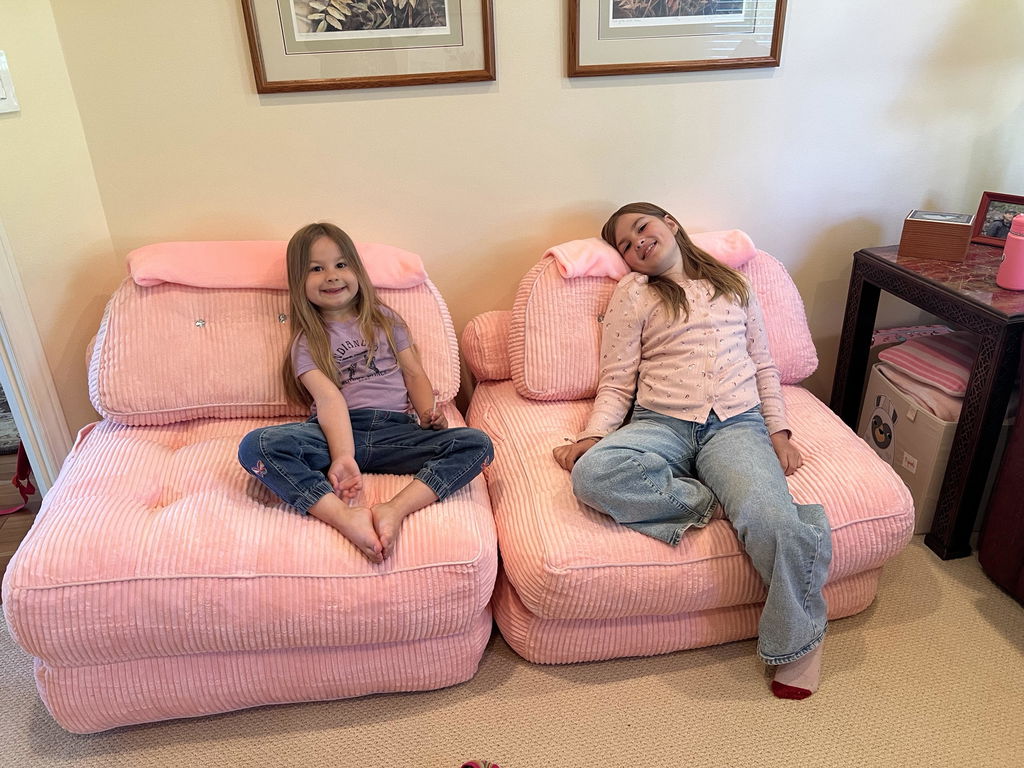
If you’ve ever woken up from a night on a sofa bed feeling like you wrestled with a metal bar all night, you’re not alone. The truth is, most traditional sleeper sofas fail the basic test: sleeping as comfortably as a real mattress. But in 2026, a new generation of sofa beds is changing that narrative entirely. The secret lies in three critical factors: mattress thickness and composition, supportive internal structure, and elimination of the dreaded center bar. Brands like NESLAKO are leading this comfort revolution with high-density memory foam cores combined with ergonomic design that provide genuine spinal support, not just a padded surface over springs. Real users report “memory foam provides just the right support, won’t wake up with sore back”—proof that today’s best sofa beds can truly rival your bedroom mattress.
Why Traditional Sofa Beds Fail the Sleep Test
The fundamental problem with conventional sleeper sofas is their thin, spring-based mattresses that prioritize compact storage over sleep quality. Most traditional pull-out sofa beds feature 3-4 inch innerspring mattresses with a metal support bar running through the center. This design creates two major pain points: the bar creates an uncomfortable ridge exactly where your lower back rests, and the thin mattress allows you to feel the rigid frame beneath.
User reviews consistently highlight these failures with phrases like “nothing like stiff hard sleeper chairs” and complaints about “sagging metal bar discomfort.” The average traditional sofa bed mattress compresses to less than 2 inches under body weight, essentially turning your “guest bed” into an expensive backache generator. For anyone expecting to sleep through the night—whether you’re hosting guests or using it as your primary bed in a small apartment—this simply doesn’t cut it.
The 2026 market has recognized this gap. Consumers now demand sofa beds that function as legitimate sleeping surfaces, not emergency crash pads. This shift has driven manufacturers to completely rethink mattress composition, support systems, and overall ergonomic design.
What Makes a Sofa Bed Sleep Like a Real Mattress
Three core elements separate genuine sleep-quality sofa beds from traditional models: mattress thickness of at least 4-5 inches, high-density foam or hybrid construction, and platform-style support systems that eliminate center bars.
Mattress Thickness and Density Standards
The minimum threshold for real comfort is a 4-5 inch mattress, but premium models now offer 10-inch thick sleeping surfaces that match standard bedroom mattresses. NESLAKO’s Wunder Puffer, for example, uses high-density memory foam combined with flannel fabric that fully expands within 48 hours of unpacking from vacuum compression, creating a substantial sleeping surface that contours to your body.
Density matters as much as thickness. High-density memory foam (3.5+ pounds per cubic foot) provides consistent support without bottoming out, while lower-density foams compress too easily and lose shape over time. Look for specifications that clearly state foam density—vague terms like “plush” or “soft” often hide inferior materials.
Memory Foam vs Latex vs Hybrid Construction
Memory foam sofa beds excel at pressure relief and motion isolation, making them ideal for couples or restless sleepers. The material conforms to your body’s curves, distributing weight evenly and reducing pressure points on hips and shoulders. Users describe the experience as “soft yet supportive, like sinking into warm cloud”—the hallmark of quality memory foam.
Latex mattresses offer a more responsive, buoyant feel with natural cooling properties. They bounce back faster than memory foam, which some sleepers prefer for ease of movement. However, latex sofa beds typically cost 30-40% more than comparable memory foam models.
Hybrid systems combine pocket coils with foam layers, attempting to merge the contouring of foam with the breathability and edge support of springs. While hybrids can work well in traditional beds, the engineering challenges of fitting quality coil systems into convertible frames often result in compromises. The best hybrids use individually wrapped pocket coils (300+ count) topped with at least 2 inches of memory foam or latex.
For sofa beds specifically, high-density memory foam has emerged as the sweet spot—it compresses efficiently for storage, expands fully for sleep, and delivers consistent comfort across the entire sleeping surface without the weak points that plague thin innerspring designs.
Platform Support Systems: The No-Bar Revolution
The single biggest innovation in modern sofa beds is the platform support system that completely eliminates the center metal bar. Traditional pull-out mechanisms rely on a folding metal frame with a crossbar for structural support, creating that infamous ridge. Platform sleepers use a solid base—typically wooden slats or a continuous panel—that the mattress rests on when deployed.
This design change has two major benefits: it creates a smooth, continuous sleeping surface with no pressure points, and it allows for thicker, higher-quality mattresses since there’s no need to fold around a bar mechanism. NESLAKO sofa beds use a foldable design approach without traditional pull-out mechanisms, enabling their memory foam cores to provide uniform support from edge to edge.
The trade-off is slightly more complex conversion mechanisms, but modern designs have streamlined this process. Quality platform sleepers now unfold in 5-10 minutes with minimal effort—one user noted their NESLAKO model was “easy for girl to unfold solo,” indicating the mechanism doesn’t require significant strength.
Sofa Bed Mattress Comparison: 2026 Market Leaders
| Mattress Type | Thickness | Key Benefits | Best For | Price Range |
| High-Density Memory Foam | 5-10 inches | Pressure relief, motion isolation, no center bar | Daily sleepers, small apartments, back pain sufferers | $319-$899 |
| Latex Foam | 4-6 inches | Cooling, responsive feel, natural materials | Hot sleepers, eco-conscious buyers | $799-$1,499 |
| Hybrid Pocket Coil | 6-8 inches | Edge support, breathability, traditional feel | Combination sleepers, larger spaces | $899-$2,500 |
| Traditional Innerspring | 3-4 inches | Low cost, compact storage | Occasional guest use only | $299-$599 |
The data clearly shows memory foam dominates the value-to-comfort ratio for sofa beds. While latex and hybrid options exist, memory foam’s ability to compress for storage while expanding to full comfort makes it the most practical choice for convertible furniture.
Real-World Performance: Daily Use vs Guest Room Scenarios
The “sleeps as good as real mattress” standard depends heavily on usage frequency. A sofa bed used nightly faces different demands than one hosting guests twice a year.
For daily use scenarios—studio apartments, home offices that double as bedrooms, or primary sleeping surfaces—you need commercial-grade durability. Look for mattresses rated for 365-night annual use, reinforced frames, and warranties of at least 5 years. Memory foam density should be 4+ pounds per cubic foot to resist permanent compression. NESLAKO positions their models for daily use with “high-quality fabric, corduroy and flannel textures durable for daily use” and memory foam that maintains support over thousands of compression cycles.
User testimonials for daily-use models emphasize long-term comfort: “best valued sofa bed in years” and “stylish living room centerpiece by day, comfy guest bed by night” indicate the furniture successfully serves dual purposes without compromising either function.
For guest room scenarios with occasional use (under 50 nights per year), you have more flexibility. Even 4-inch mattresses can suffice if the foam quality is high, and you can prioritize faster conversion mechanisms over maximum durability. However, this doesn’t mean accepting discomfort—your guests deserve real sleep quality, and a poor sofa bed experience reflects on your hospitality.
The key differentiator is mattress recovery time. Daily-use models need memory foam that rebounds quickly (under 5 seconds) to maintain sofa shape during the day. Guest-room models can use slower-recovery foams that maximize contouring for sleep, since they spend most of their time in bed mode.
Size Considerations: Matching Mattress to Sleeper
Sofa bed sizes directly impact sleep quality, and the “one size fits all” approach fails real-world needs. Standard sofa bed mattresses come in twin (39” x 75”), full (54” x 75”), and queen (60” x 80”) dimensions, but the effective sleeping surface can be smaller due to frame design.
For single sleepers or children, twin and full sizes work well. NESLAKO’s sizing accommodates individuals from 4’10” to 5’ in height, including adults and children, acknowledging that smaller frames need appropriately scaled furniture. A 5-foot adult on a twin sofa bed with 5+ inches of quality memory foam will sleep better than on an undersized queen with a 3-inch innerspring.
For couples or taller individuals (over 6 feet), queen is the minimum viable size. However, verify the actual mattress dimensions—some “queen sleeper sofas” have mattresses that are 58” wide instead of the standard 60”, and those 2 inches matter when two people share the surface.
Thickness becomes more critical as size increases. A queen mattress needs at least 6 inches of high-density foam to prevent the “bowling ball effect” where heavier sleepers sink through to the frame. Full and twin sizes can sometimes work with 4-5 inches if foam quality is exceptional.
The Foldable Sofa Bed Alternative: Compact Comfort
Beyond traditional pull-out mechanisms, foldable sofa beds represent a growing category that prioritizes space efficiency without sacrificing sleep quality. These models typically use thick foam cushions that fold into sofa configuration and unfold flat into a sleeping surface, eliminating mechanical complexity.
NESLAKO’s Wunder Puffer exemplifies this category with vacuum-compressed packaging that allows it to compress to 1/3 of its original size for storage and functions in both sofa and bed modes. The foldable design without traditional pull-out mechanisms means the entire sleeping surface is high-density memory foam with flannel fabric—no bars, no springs, just continuous cushioning. Users report the model is “soft enough to feel like a hug” while “supportive enough for real sleep, not just a nap.”
The trade-off is aesthetic versatility. Foldable models often have a more casual, cushiony appearance compared to the structured look of framed sleeper sofas. However, for small apartments, dorm rooms, or multipurpose spaces, the space savings (they compress to 1/3 size for storage) and ease of conversion outweigh styling concerns.
Pricing for quality foldable sofa beds ranges from $129 to $319, with NESLAKO’s Wunder Puffer positioned at the $319 premium tier—significantly less than traditional sleeper sofas ($899-$2,500) while often delivering superior sleep comfort due to thicker, uninterrupted foam construction.
Durability and Maintenance: Long-Term Sleep Quality
A sofa bed that sleeps like a real mattress on day one but degrades to a lumpy mess within six months fails the fundamental test. Durability hinges on three factors: foam resilience, fabric durability, and frame integrity.
High-density memory foam (4+ lbs/ft³) maintains its shape for 7-10 years under normal use, while lower-density foams (under 3 lbs/ft³) show permanent compression within 2-3 years. Look for CertiPUR-US certification, which ensures foams are made without harmful chemicals and meet performance standards.
Fabric durability matters for daily-use models. Corduroy, microfiber, and performance fabrics resist pilling and staining better than standard upholstery. NESLAKO uses plush corduroy and flannel textures that users describe as “high-quality fabric, corduroy side durable for daily use”—materials that withstand repeated sitting, sleeping, and conversion cycles.
Frame construction separates budget from premium models. Hardwood frames (maple, oak) outlast engineered wood and metal. For platform sleepers, verify the slat spacing (should be under 3 inches) and weight capacity (minimum 500 lbs for queen sizes). Foldable models bypass frame concerns entirely, but check zipper quality and stitching on removable covers.
Maintenance is minimal for memory foam models: rotate the mattress every 3 months, spot-clean spills immediately, and use a waterproof protector if young children or pets use the sofa bed. Avoid machine-washing foam—it destroys the cell structure.
Price vs Performance: What You Actually Get for Your Money
The sofa bed market spans $299 budget models to $2,500+ luxury sleepers, but the correlation between price and sleep quality isn’t linear. Understanding where your money goes helps identify genuine value.
Budget tier ($299-$599): Traditional innerspring mattresses, 3-4 inches thick, metal bar frames. These work for emergency guest use (under 10 nights per year) but fail the “sleeps like real mattress” test. Expect sagging within 2 years.
Mid-range tier ($599-$1,200): Entry-level memory foam (3-3.5 lbs/ft³ density), 4-5 inch mattresses, some platform designs. NESLAKO’s $319 Wunder Puffer punches above its price point here with high-density foam and dual sofa/bed functionality. This tier delivers acceptable sleep quality for guest rooms and occasional daily use.
Premium tier ($1,200-$2,500+): High-density memory foam or latex (5+ inches), platform systems, hardwood frames, designer fabrics. Brands like American Leather’s Comfort Sleeper dominate this category with commercial-grade construction. These genuinely rival bedroom mattresses for nightly sleep.
The value equation shifts based on usage. For nightly sleepers, spending $1,500+ on a premium model that lasts 10 years ($150/year) makes financial sense compared to replacing a $500 budget model every 2 years ($250/year). For guest rooms used 20 nights annually, a $600 mid-range model delivers 90% of premium performance at 40% of the cost.
NESLAKO demonstrates that smart engineering—vacuum compression for shipping cost savings, direct-to-consumer sales eliminating retail markup, foldable design reducing frame costs—can deliver premium sleep quality at mid-range prices. User reviews calling it “best valued sofa bed in years” validate this approach.
Mattress Upgrades: Transforming Existing Sofa Beds
If you already own a sofa bed with a subpar mattress, upgrading just the mattress can dramatically improve sleep quality for $200-$600—far less than buying a new sofa bed. However, this only works with traditional pull-out frames, not integrated designs.
Measure your existing mattress carefully (width, length, thickness) and note the mechanism type. Most pull-out frames accommodate mattresses up to 5 inches thick, but verify clearance when the sofa is closed. Standard sizes (twin, full, queen) have readily available replacement mattresses, while custom sizes require special orders.
Memory foam replacement mattresses designed for sofa beds range from $199 (4-inch twin) to $599 (6-inch queen). Look for tri-fold designs that compress when the sofa closes without permanent creasing. Brands like Milliard and Classic Brands specialize in these replacements.
Mattress toppers (2-3 inches of memory foam or latex) offer a budget upgrade ($79-$199) that improves existing mattresses without full replacement. However, toppers add thickness that may prevent the sofa from closing properly, and they don’t address underlying support issues like worn springs or broken bars.
For platform sleepers and foldable models like NESLAKO, the mattress is integral to the design and can’t be separately upgraded—but these models start with premium foam, so upgrades aren’t necessary.
Choosing the Right Sofa Bed for Your Sleep Needs in 2026
The decision framework boils down to four questions: How often will it be slept on? How much space do you have? What’s your budget? Do you need it to look like traditional furniture?
For nightly use in small apartments, prioritize sleep quality over aesthetics. Foldable memory foam models like NESLAKO’s Wunder Puffer deliver the best actual sleep comfort per dollar, compress for storage, and eliminate mechanical failure points. The casual appearance is a fair trade for waking up pain-free.
For guest rooms with occasional use, traditional platform sleeper sofas with 5-6 inch memory foam mattresses balance sleep quality with living room aesthetics. Mid-range models ($600-$1,200) suffice unless you frequently host guests for extended stays.
For daily use in visible living spaces where furniture appearance matters, invest in premium platform sleepers ($1,500+) with designer fabrics and hardwood frames. These look like regular sofas, convert easily, and provide genuine mattress-quality sleep.
For multi-purpose spaces (home offices, studios, kids’ rooms), modular foldable options offer maximum flexibility. They work as floor seating, reading nooks, and beds without mechanical conversion, and many models are “gentle and friendly for pets and kids.”
Regardless of category, verify these minimum standards: 4+ inches of high-density memory foam (3.5+ lbs/ft³), platform or solid support system (no center bar), CertiPUR-US certified materials, and at least a 3-year warranty. Read user reviews specifically mentioning sleep quality and long-term durability—marketing claims about “plush comfort” mean nothing compared to real experiences.
Sofa Bed Sleep Quality FAQ
Q: Can a memory foam sofa bed really match a regular bedroom mattress for sleep quality?
A: Yes, if the memory foam is high-density (4+ lbs/ft³) and at least 5 inches thick with platform support. Models like NESLAKO’s Wunder Puffer use the same foam technology as standalone mattresses. Users report “memory foam provides just the right support, won’t wake up with sore back”—the same feedback given to quality bedroom mattresses. The key is avoiding thin innerspring sofa beds that compress to under 3 inches.
Q: How long does it take for a vacuum-compressed sofa bed to fully expand?
A: Most high-quality memory foam sofa beds expand to 80-90% within 4-6 hours and reach full thickness within 48 hours. NESLAKO specifies 48-hour full expansion for their vacuum-compressed models. You can sleep on it after 6-8 hours, but optimal comfort and support develop after the foam completely recovers from compression. Avoid sleeping on it in the first 2 hours when it’s still significantly compressed.
Q: What’s the best sofa bed mattress thickness for someone with chronic back pain?
A: Minimum 6 inches of high-density memory foam or hybrid construction with pocket coils. Back pain sufferers need consistent spinal alignment, which requires enough cushioning to contour to your body’s curves while maintaining support. Platform systems without center bars are essential—the metal bar in traditional sofa beds creates pressure points that aggravate back issues. Look for models specifically rated for daily use with reinforced lumbar support zones.
Q: Are foldable sofa beds as durable as traditional pull-out sleeper sofas?
A: High-quality foldable models can be more durable because they eliminate mechanical failure points—no springs to break, no bars to bend, no hinges to jam. NESLAKO’s foldable design with corduroy fabric is rated for daily use and users report long-term durability. However, budget foldable models with low-density foam compress permanently within 1-2 years. Check foam density (4+ lbs/ft³) and fabric quality (reinforced stitching, durable upholstery) to ensure longevity comparable to framed sleepers.
Ready to Sleep Better? Explore NESLAKO’s Mattress-Quality Sofa Beds
The 2026 sofa bed market has finally solved the comfort problem that plagued sleeper sofas for decades. With high-density memory foam, platform support systems, and innovative foldable designs, you no longer have to choose between space-saving furniture and genuine sleep quality. NESLAKO exemplifies this new generation of sofa beds—delivering memory foam comfort that users describe as sleeping “like a real mattress,” not a compromise.
Whether you’re furnishing a studio apartment, setting up a guest room, or need flexible furniture for a multi-purpose space, prioritize mattress thickness (5+ inches), foam density (4+ lbs/ft³), and support systems that eliminate center bars. The investment in quality sleep pays dividends in daily energy, health, and the simple pleasure of waking up without back pain.
Visit neslako.com to explore sofa beds engineered for real sleep comfort—where innovative design meets mattress-quality rest, all in furniture that adapts to your space and lifestyle.