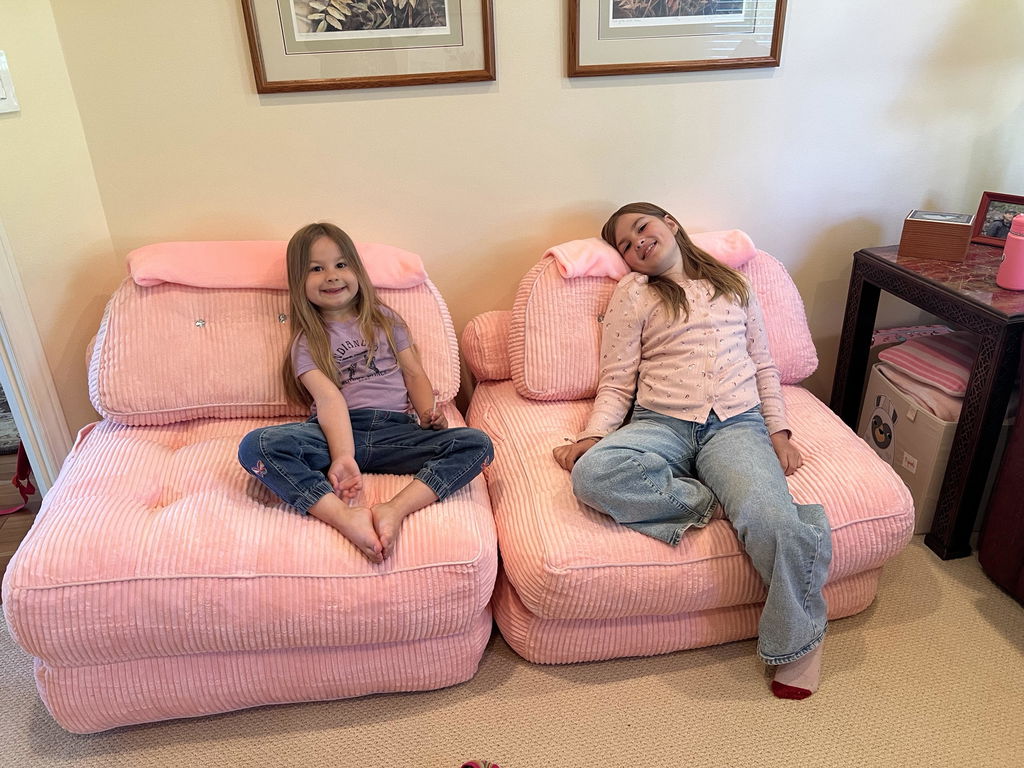
When you’re hunting for a sofa bed with shelves or a side table attached, you’re looking for furniture that does more than one job—and does it well. The answer is simple: integrated side table sofa beds combine sleeping, seating, and storage into one compact unit, eliminating the need for separate furniture pieces. NESLAKO’s Wunder Puffer series exemplifies this trend with modular 3-in-1 designs that include side storage pockets, all while maintaining the space-saving advantage of vacuum compression technology. These multi-functional pieces typically feature side storage pockets that provide convenient access to everyday items without consuming extra floor space—perfect for studios, dorm rooms, and small apartments where every square foot counts.
Why Attached Side Tables Matter for Sofa Beds in 2026
The rise of small-space living has fundamentally changed how we think about furniture. Traditional sofa beds require you to place a separate end table nearby, which means dedicating at least 2-3 square feet of additional floor space. Attached side table designs eliminate this waste entirely.
Space efficiency is the primary driver. When your sofa bed includes an integrated side table or shelf system, you’re consolidating two pieces of furniture into one footprint. For a 300-square-foot studio apartment, this can mean the difference between a cramped layout and a functional living space. The attached design also solves the common problem of side tables shifting away from the sofa when you convert it to a bed—everything stays exactly where you need it.
Convenience follows closely behind. An attached side table keeps your phone, water glass, or book within arm’s reach whether you’re sitting upright or lying down. NESLAKO’s side pocket storage feature integrates this functionality directly into the sofa frame, ensuring you never have to stretch across the room for essentials.
Modern designs prioritize aesthetics alongside function. Today’s attached side table sofa beds don’t look like makeshift solutions—they’re intentionally designed furniture pieces. The NESLAKO Wunder Puffer series uses corduroy and flannel dual-sided fabrics that coordinate with various interior styles, from minimalist modern to cozy vintage. The integrated storage doesn’t disrupt the visual flow; instead, it enhances the piece’s sculptural quality.
C-Shaped Slide-Under Tables: The Most Versatile Attachment Style
C-shaped side tables represent the most flexible attachment approach for sofa beds. These tables feature a vertical support that slides underneath the sofa, with the tabletop extending over the seating area. The design allows the table to stay in place during sofa-to-bed conversion without requiring removal or repositioning.
The slide-under mechanism provides stability without permanent attachment. Unlike fixed side tables that might interfere with the sofa bed’s reclining mechanism, C-shaped tables remain independent while staying functionally connected. This matters especially for sofa beds with deep seating—NESLAKO’s 20-24 inch seat depth requires side tables that can reach over the cushions without wobbling.
Height adjustability enhances multi-purpose use. Premium C-shaped tables offer height ranges between 68-89cm, accommodating different activities from laptop work to dining. When paired with a convertible sofa bed, this adjustability means the same surface works whether you’re sitting upright during the day or lying down at night. The vertical clearance also allows the table to slide completely under the sofa when not needed, preserving floor space.
Material selection affects both durability and aesthetics. Metal frame C-tables provide industrial-modern appeal and support heavier loads (typically 30-50 pounds), while wooden designs offer warmth that complements fabric sofa beds. For NESLAKO’s plush corduroy textures, a warm wood tone or matte black metal frame creates visual balance without competing for attention.
Built-In Storage Shelves vs. Detachable Table Modules
The choice between built-in storage shelves and detachable table modules depends on your space constraints and flexibility needs. Each approach offers distinct advantages for sofa bed functionality.
Built-in 2-tier shelf systems maximize vertical storage. These designs incorporate shelving directly into the sofa bed frame, typically at the armrest or backrest. The advantage is permanence—you’ll never lose the storage component, and it’s engineered to support the sofa’s structural integrity. NESLAKO’s side pocket storage can hold everyday items like remote controls, magazines, and phones without requiring wall mounting or separate furniture.
Detachable modules provide layout flexibility. Removable side tables and shelf units allow you to reconfigure your space as needs change. When hosting overnight guests, you might remove a side module to create more walking space around the bed. During work-from-home periods, you can reattach it as a laptop stand. This adaptability is particularly valuable in studio apartments where the same 200-square-foot space serves as bedroom, living room, and office.
Weight capacity and stability differ significantly. Built-in shelves typically support 15-25 pounds per tier because they’re anchored to the main frame. Detachable units may have lower weight limits (10-15 pounds) unless they include floor contact points. For sofa beds with side pocket storage, these pockets are designed to hold everyday items like remote controls, magazines, phones, and charging cables.
| Feature | Built-In Shelves | Detachable Modules |
| Space Efficiency | Maximizes vertical space, no floor footprint | Requires connection points, slight floor space |
| Flexibility | Fixed configuration | Rearrange or remove as needed |
| Weight Capacity | 15-25 lbs per tier | 10-15 lbs typical |
| Installation | Pre-assembled | Tool-free attachment in 2-5 minutes |
| Price Impact | Included in base price ($179-$319) | May add $50-$150 to total cost |
| Best For | Permanent setups, maximizing storage | Renters, frequent movers, changing needs |
Hybrid approaches combine both advantages. NESLAKO’s modular system includes the base sofa bed with side pocket storage that comes standard, providing immediate functionality. This staged approach keeps initial costs lower while preserving future expansion options.
Sofa Beds with Integrated Charging Stations: USB-Equipped Convenience
Modern sofa beds are incorporating technology features that previous generations lacked. USB charging ports and power outlets transform the side table area into a true command center for devices.
Charging integration eliminates cable clutter. Traditional setups require running extension cords from wall outlets to your seating area, creating trip hazards and visual mess. Sofa beds with built-in USB ports (typically 2-4 ports) and AC outlets (1-2 standard plugs) consolidate charging in one accessible location. The ports are usually embedded in the side table surface or armrest, keeping cables short and organized.
FCC certification ensures electrical safety. Any sofa bed with integrated electrical components sold in the United States must meet Federal Communications Commission standards for electromagnetic interference and safety. When considering models with charging features, verify the FCC certification status—Any smart module upgrades would require FCC certification to ensure compliance with US electrical codes.
Power capacity varies by design. Entry-level USB ports typically provide 2.1A output (sufficient for smartphones and tablets), while premium models offer 3.0A or quick-charge capability. If you regularly charge laptops or multiple devices simultaneously, look for sofa beds with higher amperage ratings or dedicated AC outlets. The electrical system should support at least 15W total output across all ports.
Installation complexity differs between retrofitted and factory-integrated systems. Factory-integrated charging stations are wired during manufacturing, with cables routed through the frame to a single wall plug. This provides cleaner aesthetics and better durability. Retrofitted systems may use external battery packs or surface-mounted wiring, which can be more affordable but less elegant. For sofa beds with integrated charging features, modules would attach to the main frame with concealed wiring channels that maintain the sofa’s clean lines.
Height-Adjustable vs. Fixed Side Tables: Finding Your Ideal Surface Level
The relationship between your sofa bed’s seat height and the attached side table’s surface height determines comfort for different activities. Getting this dimension right is crucial for daily usability.
Standard sofa seat heights range from 17-19 inches. Side tables should align at or slightly above this height—typically 20-24 inches—to allow comfortable reaching while seated. When the sofa converts to a bed, the sleeping surface drops to 12-16 inches, which means a 20-inch side table now sits 4-8 inches above the mattress level. This height works well for bedside items like phones and glasses.
Adjustable mechanisms provide multi-scenario optimization. Height-adjustable side tables (ranging 68-89cm or approximately 27-35 inches) accommodate both sitting and lying positions. Raise the table for laptop work while sitting upright, then lower it for bedside access when sleeping. The adjustment mechanism should operate smoothly with one hand and lock securely at any height to prevent accidental drops.
Fixed-height tables work best when matched to your primary use case. If your sofa bed spends 80% of its time as a sofa, optimize the side table height for seated activities (22-24 inches). If it’s primarily a bed with occasional seating, choose a lower height (18-20 inches) that prioritizes bedside access. NESLAKO’s 20-24 inch deep seating pairs well with 22-inch side tables that work for both configurations without adjustment.
Ergonomic considerations affect long-term comfort. A side table that’s too low forces you to bend or reach downward repeatedly, straining your back and shoulders. One that’s too high requires awkward upward reaching. The optimal height places the table surface at or just below elbow level when you’re seated, allowing relaxed arm positioning. For work activities, the table should position your screen at eye level when using a laptop stand.
Rolling Side Tables: Mobile Surface Solutions for Multi-Purpose Rooms
Wheeled side tables add another dimension of flexibility to sofa bed setups, particularly valuable in spaces that serve multiple functions throughout the day.
Caster wheels enable effortless repositioning. Rolling side tables can slide away when you need floor space for exercise, yoga, or play areas, then return to the sofa when needed. This mobility is especially useful in studio apartments where the same 15x15-foot area might function as living room, bedroom, dining space, and home office depending on the time of day.
Locking mechanisms prevent unwanted movement. Quality rolling side tables include wheel locks that engage when the table is positioned. Without locks, the table can drift away from the sofa during use, which is particularly problematic when holding drinks or electronics. Look for models with at least two locking wheels (preferably all four) that engage with a simple foot press.
Weight and stability trade-offs require consideration. Rolling tables are typically lighter than fixed designs to facilitate movement, but this can reduce stability when holding heavier items. A well-designed rolling side table balances portability (under 15 pounds) with a wide base (at least 16 inches) that resists tipping. For sofa beds with deep seating like NESLAKO’s 20-24 inch models, ensure the rolling table’s reach extends fully over the seat cushions.
Clearance height affects compatibility with sofa beds. Rolling tables need sufficient ground clearance (typically 2-3 inches) to roll smoothly over area rugs and carpet edges. However, this elevation can raise the table surface higher than ideal for some sofa bed heights. Check that the total height (including wheels) still allows comfortable access from both seated and lying positions.
Space-Saving Sofa Beds with Integrated Storage: Maximizing Every Cubic Inch
Storage integration goes beyond side tables to include under-seat compartments, backrest cubbies, and hidden drawers that maximize a sofa bed’s utility in small spaces.
Under-seat storage provides the largest capacity. Sofa beds with lift-up seat cushions can reveal storage compartments holding 3-6 cubic feet of items—enough for extra bedding, seasonal clothing, or bulky items like winter coats. The NESLAKO Wunder Puffer series uses vacuum compression packaging that reduces the sofa to one-third its expanded size, demonstrating how compression technology can also apply to stored items within the furniture.
Side pocket storage offers quick-access convenience. Smaller pockets integrated into armrests or side panels hold everyday items like remote controls, magazines, phones, and charging cables. NESLAKO’s side pocket design keeps these essentials within reach without cluttering the main seating surface. The pockets are typically 6-10 inches deep and 8-12 inches wide—sized for tablets and paperback books.
Backrest shelving displays while it stores. Open shelving incorporated into the sofa bed’s backrest provides 1-2 cubic feet of visible storage for decorative items, books, or plants. This approach works well in studio apartments where the sofa back faces the room rather than a wall, turning the furniture piece into a room divider with functional storage on both sides.
Hidden drawer systems maintain clean aesthetics. Some premium sofa beds include drawer units built into the base platform, accessible from the front or sides. These drawers operate on glides similar to dresser drawers and can hold 1-2 cubic feet each. The trade-off is added weight and complexity—drawer-equipped sofa beds typically weigh 20-30 pounds more than equivalent models without drawers.
Daybed-Style Sofa Beds with Removable Desks: The Work-Sleep Hybrid
The rise of remote work has created demand for furniture that seamlessly transitions between professional and personal use. Daybed-style sofa beds with removable desk surfaces address this need directly.
Daybed configurations optimize for dual-purpose use. Unlike traditional sofa beds that fold or pull out, daybeds maintain a constant sleeping surface with back and side cushions that convert to seating. Adding a removable desk component creates a workspace that can be positioned over the daybed during work hours, then removed for sleeping. This design works particularly well in studio apartments where distinct work and sleep zones are impossible.
Removable desk surfaces range from simple lap desks to full workstations. Basic models provide a 24x16-inch surface that rests on the daybed frame—sufficient for a laptop and mouse. Premium versions include 36x20-inch surfaces with integrated cable management, cup holders, and storage cubbies. The NESLAKO modular system allows you to attach desk-height surfaces that convert the sofa bed into a proper workstation, then remove them completely for guest sleeping.
Ergonomic concerns require careful dimension matching. A desk surface positioned over a daybed should place your keyboard at elbow height when seated with feet flat on the floor. For a daybed with an 18-inch seat height, the desk surface should sit at 28-30 inches—achieved through adjustable legs or a fixed frame designed for this specific height. Poor ergonomics can cause neck, shoulder, and wrist strain during extended work sessions.
Weight capacity determines suitability for monitors and equipment. If you plan to use the desk surface for a monitor, external keyboard, and other equipment, ensure it supports at least 30-40 pounds. Lightweight lap desk designs typically max out at 15-20 pounds, suitable for laptops but not full desktop setups. The attachment mechanism should distribute weight across the daybed frame rather than relying solely on surface contact.
Compact Living: How Attached Tables Save Space in Small Apartments
The mathematics of small-space living make attached side table sofa beds a practical necessity rather than a luxury feature. Understanding the space calculations helps justify the investment.
Traditional furniture layouts consume 40-50% of floor space. A standard sofa (84 inches long) plus separate end table (20x20 inches) occupies approximately 25 square feet. In a 300-square-foot studio, that’s 8% of your total space dedicated to just two furniture pieces. An integrated sofa bed with attached side table reduces this footprint by 3-4 square feet—a 15% space savings that translates to valuable floor area for movement and other activities.
Vacuum compression technology multiplies space efficiency. NESLAKO’s Wunder Puffer series ships in vacuum-compressed packaging that reduces volume to one-third of the expanded size. This matters not just for shipping but for storage—if you need to temporarily store the sofa bed (during a move or renovation), it occupies minimal space. The 48-hour expansion time means you can move a compressed sofa bed through narrow doorways and stairwells that would block traditional furniture.
Vertical storage integration uses overlooked space. Attached 2-tier shelves and side pockets utilize vertical space above and beside the sofa bed that would otherwise remain empty. In small apartments with 8-9 foot ceilings, this vertical dimension represents untapped storage potential. A well-designed attached shelf system can provide 2-3 cubic feet of storage without increasing the furniture’s floor footprint by a single square inch.
Multi-functional furniture reduces total piece count. Instead of needing a sofa, guest bed, side table, and storage unit (four separate furniture pieces), an integrated sofa bed with attached storage consolidates to one item. This reduction in furniture count creates visual spaciousness—rooms feel larger when they contain fewer discrete objects, even if the total floor space occupied is similar.
Material Choices: Durability and Maintenance for Attached Components
The materials used in side tables and storage attachments significantly impact both longevity and daily maintenance requirements. Selecting appropriate materials for your lifestyle prevents premature wear and frustration.
Metal frames provide maximum durability for high-use scenarios. Steel or aluminum side table frames resist warping, support heavier weights (30-50 pounds), and maintain stability over years of use. Powder-coated finishes protect against scratches and moisture. For households with children or pets—environments where furniture takes more abuse—metal construction offers peace of mind. The trade-off is weight (metal components add 10-15 pounds) and potential for cold-to-touch surfaces.
Engineered wood balances cost and performance. Medium-density fiberboard (MDF) and particleboard with laminate finishes create attractive wood-look surfaces at lower price points than solid wood. These materials work well for side tables holding lighter loads (15-25 pounds) in adult-only households. However, engineered wood is vulnerable to moisture damage and edge chipping, requiring careful maintenance. CARB P2 certification ensures low formaldehyde emissions, important for indoor air quality.
Fabric components require stain-resistant treatments. Side pockets and storage compartments made from fabric should feature stain-resistant finishes or easy-clean materials. NESLAKO’s dual-sided design uses corduroy (durable side) and flannel (soft side), both treated for stain resistance. For households with pets or frequent spills, darker colors (charcoal, navy) hide stains better than light colors, though proper fabric treatment matters more than color choice.
Plastic components reduce weight but may appear cheap. High-quality ABS plastic can create lightweight, durable side table surfaces and storage bins. However, lower-grade plastics feel flimsy and cheapen the overall furniture aesthetic. If choosing a sofa bed with plastic components, examine the material thickness (should be at least 3mm) and surface finish (matte finishes age better than glossy).
Price Ranges and Value Propositions for Integrated Designs
Understanding the pricing landscape helps you identify genuine value versus overpriced gimmicks when shopping for sofa beds with attached tables and storage.
Entry-level integrated sofa beds start around $179-$319. NESLAKO’s Wunder Puffer series falls into this range, offering modular 3-in-1 designs with side pocket storage and optional attachable components. At this price point, expect engineered wood or metal side tables, basic fabric storage pockets, and manual conversion mechanisms. The value proposition centers on space efficiency rather than luxury features.
Mid-range models ($400-$600) add premium materials and features. This tier typically includes memory foam mattresses, higher-grade upholstery fabrics, and more sophisticated storage solutions like drawer systems. Some models at this price point incorporate USB charging ports and adjustable side tables. NESLAKO’s complete sets with modular attachments fall below $600, providing mid-range features at entry-level pricing.
Premium integrated sofa beds ($700-$1200) offer designer aesthetics and advanced functionality. Expect solid wood frames, leather or performance fabric upholstery, motorized conversion mechanisms, and integrated smart features. The attached side tables may include wireless charging pads, LED lighting, and app-controlled adjustments. For most small-space dwellers, this premium tier exceeds practical needs—the functionality gains don’t justify the 2-4x price increase over mid-range options.
Modular systems provide staged investment opportunities. Rather than purchasing a fully-loaded sofa bed upfront, modular designs let you start with the base unit and add components as budget allows. NESLAKO’s approach exemplifies this strategy—begin with the core sofa bed and side pocket storage ($179-$319), with some sets including modular add-on components. This staged approach keeps initial costs manageable while preserving upgrade paths.
Installation and Assembly: What to Expect with Attached Table Designs
The complexity of setting up an integrated sofa bed with side tables varies dramatically based on design approach. Understanding assembly requirements prevents frustration and helps you plan delivery logistics.
Vacuum-compressed sofa beds require minimal assembly. NESLAKO’s Wunder Puffer series ships compressed to one-third size, expanding over 48 hours once the vacuum seal is broken. The side pocket storage is pre-attached, requiring zero assembly. The sofa bed features side pocket storage that is pre-attached and requires no assembly. This approach is ideal for renters or anyone who moves frequently—disassembly for the next move is equally simple.
Traditional frame-based designs may require 30-60 minutes of assembly. Sofa beds with built-in side tables often ship partially assembled, with the main frame intact but legs, tables, and storage components requiring attachment. Expect to connect 10-20 bolts using provided Allen wrenches or hex keys. Two people make this process significantly easier, particularly when flipping the frame to attach legs.
Detachable side table modules offer the simplest attachment process. C-shaped slide-under tables require no assembly—simply position them beside the sofa bed. Rolling side tables may require attaching wheels (4-8 screws typically) and installing locking mechanisms. The entire process rarely exceeds 15 minutes and requires only a screwdriver.
Weight considerations affect delivery and positioning. Complete sofa beds with integrated tables weigh 80-150 pounds depending on size and materials. Vacuum-compressed models like NESLAKO’s Wunder Puffer arrive significantly lighter (40-60 pounds compressed), making them manageable for one person to move through doorways and up stairs. Once expanded, they reach full weight but are already in position. Traditional sofa beds at full weight may require professional delivery and positioning services.
Maintenance and Longevity of Multi-Functional Sofa Beds
Integrated furniture with multiple moving parts and storage components requires more maintenance attention than simple single-function pieces. Proper care extends lifespan and preserves functionality.
Regular mechanism inspection prevents conversion failures. Sofa beds that fold, slide, or recline rely on hinges, tracks, and locking mechanisms that can accumulate dust and debris. Inspect these components monthly, cleaning with a dry cloth and applying silicone lubricant to metal-on-metal contact points. This 5-minute maintenance routine prevents the frustrating scenario where your sofa bed won’t convert when guests arrive.
Fabric protection extends surface life by years. Apply fabric protector spray to upholstered surfaces and storage pockets every 6-12 months, following manufacturer guidelines. This creates a barrier against spills, stains, and general wear. NESLAKO’s corduroy and flannel fabrics benefit particularly from this treatment, maintaining their texture and appearance through regular use. For pet owners, this protection is essential—it simplifies cleaning pet hair and prevents odor absorption.
Storage component organization prevents sagging and damage. Side pockets and under-seat storage can stretch or tear if overloaded. Distribute weight evenly and avoid exceeding stated capacity limits (typically 10-25 pounds depending on design). For fabric storage, use organizer inserts or small bins to maintain shape and prevent items from bunching in corners.
Attachment point maintenance ensures continued stability. If your sofa bed uses modular attachments, periodically check connection points for looseness or wear. Tighten any bolts or fasteners that have worked loose through normal use. For slide-under C-shaped tables, ensure the base slides smoothly and doesn’t catch on carpet or flooring—adjust floor protectors if needed to maintain smooth operation.
Comparison Table: Sofa Bed Side Table Attachment Styles
| Attachment Style | Space Efficiency | Flexibility | Typical Price Range | Best Use Case |
| C-Shaped Slide-Under | High - no extra footprint | Excellent - easily repositioned | $50-$150 (standalone table) | Renters, frequent layout changes |
| Built-In 2-Tier Shelves | Maximum - vertical storage | Low - fixed configuration | Included in $179-$319 sofa cost | Permanent setups, maximizing storage |
| Detachable Modules | High - attach/remove as needed | Excellent - modular system | $50-$150 per module | Evolving needs, staged investment |
| Rolling Side Tables | Medium - requires clearance | Maximum - moves anywhere | $60-$180 (standalone table) | Multi-purpose rooms, frequent repositioning |
| Integrated Charging Station | High - consolidates tech | Low - fixed placement | Adds $100-$200 to sofa cost | Tech-heavy users, home office setups |
| Flip-Top Hidden Tables | Maximum - hidden when not used | Medium - requires manual operation | Adds $80-$150 to sofa cost | Minimalist aesthetics, occasional use |
Real-World Scenarios: Matching Sofa Bed Features to Your Lifestyle
Different living situations and lifestyle patterns favor specific sofa bed configurations. These scenarios help identify which features matter most for your circumstances.
Scenario 1: Studio Apartment Dweller (300-400 sq ft). You need maximum space efficiency and multi-functionality. Prioritize: vacuum-compressed delivery (easy move-in through narrow doors), built-in 2-tier storage (maximizes vertical space), side pocket storage (quick-access items), modular attachments (adapt as needs change). NESLAKO’s Wunder Puffer base model with optional shelf modules fits this scenario perfectly—start minimal, add storage as you identify needs.
Scenario 2: Frequent Host with Guest Bedroom. Your sofa bed primarily serves overnight guests 2-3 times monthly. Prioritize: comfortable mattress (memory foam preferred), easy conversion mechanism (guests should manage independently), bedside table access (attached or C-shaped slide-under), neutral aesthetics (matches guest room decor). Fixed-height side tables at 20-22 inches work well since the primary use is sleeping rather than sitting.
Scenario 3: Work-From-Home Professional in 1-Bedroom Apartment. You need workspace during the day, sleeping space at night. Prioritize: removable desk surface (converts to workstation), height-adjustable side table (accommodates laptop and monitor), integrated charging ports (reduces cable clutter), ergonomic design (supports 6-8 hour work sessions). Consider daybed-style sofa beds with desk attachments that provide proper work surface height (28-30 inches).
Scenario 4: Pet Owner in Small Space. Your furniture must withstand pet activity and facilitate cleaning. Prioritize: stain-resistant, durable fabrics (corduroy over flannel), detachable/washable cushion covers, elevated design (easier to clean underneath), scratch-resistant side table materials (metal or hard plastic over wood). NESLAKO’s dual-sided design with durable corduroy side addresses pet-related wear concerns.
FAQ: Common Questions About Sofa Beds with Side Tables
Q: Will an attached side table interfere with converting my sofa bed?
A: Well-designed attached tables either fold with the sofa mechanism or detach quickly (under 30 seconds) without tools. C-shaped slide-under tables don’t attach at all—they simply slide away when you convert to bed mode. Check product specifications for “conversion clearance” details before purchasing.
Q: Can I add a side table to my existing sofa bed?
A: Yes, through C-shaped slide-under tables or rolling side tables that require no attachment to the sofa frame. These standalone options work with any sofa bed and typically cost $50-$180. For integrated solutions, you’ll need a sofa bed designed with modular attachment points.
Q: How much weight can attached side tables and storage pockets safely hold?
A: Side pocket storage typically supports 5-10 pounds (phones, remotes, magazines). Built-in shelf systems handle 15-25 pounds per tier. Attached side table surfaces range from 15 pounds (basic designs) to 50 pounds (reinforced metal frames). Always check manufacturer specifications and avoid exceeding stated limits.
Q: Are sofa beds with charging stations safe, and do they increase electricity costs?
A: FCC-certified charging stations meet US electrical safety standards. They draw minimal power (similar to phone chargers) and include overcharge protection. Electricity cost is negligible—approximately $2-4 annually for typical use. Ensure any model you purchase displays FCC certification to guarantee safety compliance.
Make Your Small Space Work Smarter with NESLAKO
Choosing a sofa bed with an attached side table or integrated storage isn’t just about saving space—it’s about creating a home that adapts to your life. Whether you’re furnishing a studio apartment, setting up a guest room, or building a work-from-home setup in limited square footage, the right multi-functional furniture makes every inch count.
NESLAKO’s Wunder Puffer series brings together the key features that matter: modular 3-in-1 design, vacuum compression for easy delivery and storage, side pocket storage for daily essentials, and optional attachable components that grow with your needs. With pricing between $179-$319 for complete sets under $600, you get space-saving functionality without the premium price tag.
Ready to transform your small space into a comfortable, functional home? Explore NESLAKO’s full range of modular sofa beds and storage solutions at neslako.com, where smart design meets practical living for modern urban spaces.