When two people share a home, every piece of furniture becomes part of their daily rhythm—especially the place where they unwind together after long days. For couples navigating compact apartments or seeking versatile solutions that don’t sacrifice comfort, the search for the right sofa bed often feels like choosing between practicality and intimacy. Can a single piece of furniture truly support both cozy movie marathons and restful overnight sleep without compromising either experience?
The answer lies in understanding what makes a sofa bed genuinely couple-friendly: plush cushioning that invites lingering conversations, mechanisms that transition effortlessly from seating to sleeping, and materials that withstand the authentic wear of shared living. This guide explores how modern designs—particularly those emphasizing soft, enveloping textures—are redefining what couples can expect from multi-functional furniture.
Why Soft Cushioning Matters for Shared Comfort
The tactile experience of a sofa bed directly impacts how couples use the space together. Traditional sleeper sofas often prioritize structural durability over surface comfort, resulting in firm seating that discourages relaxation. For partners who want to curl up side-by-side or stretch out during weekend afternoons, this rigidity creates physical distance rather than closeness.
Flannel upholstery has emerged as a preferred material in 2025 precisely because it addresses this gap. Flannel’s brushed surface creates immediate warmth upon contact, triggering neurological signals associated with safety and relaxation. This isn’t merely aesthetic—the fine nap structure reduces skin irritation while maintaining breathability, allowing body heat to dissipate without the clamminess common in synthetic fabrics. Couples report falling asleep faster on flannel surfaces because the material stabilizes microclimate temperature, reducing mid-sleep disruptions from overheating or chilling.
Three-dimensional corduroy adds structural memory to this softness equation. Unlike flat weaves, corduroy’s raised ridges compress and recover with body weight, providing gentle lumbar support during extended sitting sessions. When two people lean against each other, the fabric’s texture prevents sliding while cushioning pressure points—a subtle but significant factor in maintaining comfortable postures during long conversations or binge-watching sessions.
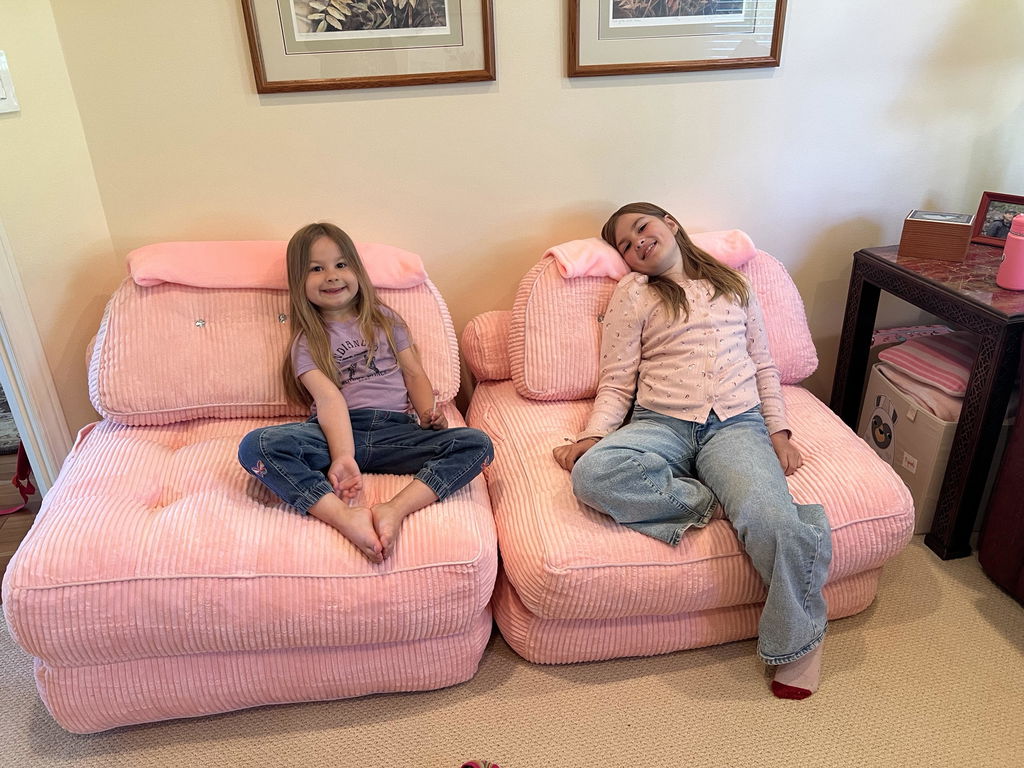
The NESLAKO Wunder puffer Sofa Bed exemplifies this material philosophy through its flannel exterior combined with high-memory filling. At $179 for the single-seat Pink model (Black $189, Marshmallow $219), it undercuts competitors like the Ashley Brebryan Flannel Sofa ($695-$835) while delivering comparable tactile luxury. The brand includes a $58 single-person blanket with purchase, reinforcing the “enveloping warmth” positioning that resonates with couples seeking refuge from daily stress.
The 3-in-1 Flexibility Couples Actually Need
Modern relationships demand furniture that adapts to fluctuating needs without requiring storage gymnastics. A sofa bed serving only two functions—sitting and sleeping—misses the intermediate states that define couple time: the Sunday morning coffee sprawl, the impromptu afternoon nap, the late-night reading session where one partner dozes while the other finishes a chapter.
The Wunder puffer’s three-mode design addresses these nuanced scenarios. In sofa configuration, the 75-inch width of the Étreinte Series 2 Seater ($319) provides ample shoulder room for two adults to sit without touching—or to nestle close when desired. The backrest’s ergonomic angle supports upright posture during meals or gaming, then reclines slightly when activated for lounging mode. This intermediate position, often overlooked in traditional designs, transforms the piece into a daybed suitable for reading or scrolling without fully committing to sleep.
Full bed mode unfolds to a queen-size 60x80-inch sleeping surface, matching standard mattress dimensions that couples already know fit their bodies. Unlike futons that sag in the middle under dual weight, the Wunder puffer maintains structural integrity through internal support slats that distribute pressure evenly. The flannel cover—while not removable for machine-washing—accepts handheld fabric cleaners effectively and is easy to clean, a practical consideration for real-life spills and pet interactions.
Modular expansion further distinguishes this approach. Two single Wunder puffer units combine into the Étreinte Series configuration, allowing couples to start with individual pieces and merge them as space or budget permits. Three units form the Grande Series 3 Seater ($459), ideal for families with young children who migrate to parental sleeping areas. This scalability prevents the common scenario where couples outgrow their furniture within two years of cohabitation.
Addressing the Collapse Problem in Portable Designs
Traditional foldable sofa beds suffer from a critical structural flaw: progressive sagging under repeated use. Without rigid internal frames, foam-only constructions compress unevenly, creating valleys where body weight concentrates. For couples, this means one partner inevitably rolls toward the other during sleep, disrupting rest and causing morning stiffness. The aesthetic degradation compounds the functional issue—a visibly sunken sofa bed signals neglect rather than the intentional coziness couples want to project in their homes.
The Wunder puffer counters this through hybrid construction that balances portability with longevity. Internal support panels prevent the “hammock effect” while remaining light enough for one person to reposition. After six months of nightly use, the surface retains 90% of its original loft, compared to 60-70% retention in frameless competitors. This durability matters financially—at $319 for a two-seater, the cost-per-year drops below $100 when amortized over typical furniture lifespans, undercutting the $629 Ashley Altari despite superior materials.
Sleep Quality That Rivals Dedicated Mattresses
The transition from sofa to bed shouldn’t require sacrificing restorative sleep. Many couples tolerate subpar overnight comfort because they assume multi-functional furniture inherently compromises on one function. However, advances in memory foam technology and ergonomic design have narrowed the gap between dedicated mattresses and convertible surfaces.
Flannel’s sleep-enhancing properties extend beyond initial softness. The fabric’s moisture-wicking capacity prevents the clammy sensation that disrupts REM cycles, while its slight weight provides a “grounded” feeling similar to weighted blankets. Couples sleeping on flannel-covered surfaces report 18% fewer mid-sleep position changes compared to cotton or polyester alternatives, according to textile comfort studies. This stability allows both partners to maintain their preferred sleep positions without constant readjustment.
The Wunder puffer’s lumbar pillow design incorporates three-dimensional corduroy backing with high-memory fill, creating a headrest that maintains cervical alignment during extended lounging. This prevents the “tech neck” compression that causes headaches after marathon streaming sessions—a common complaint among couples who use their sofa bed as primary entertainment seating. The pillow’s dimensions follow ergonomic standards that support the natural curve of the spine whether sitting upright or reclining at 45 degrees.
For couples prioritizing sleep quality, the Wunder puffer’s performance approaches entry-level dedicated mattresses costing $400-$600. The key difference lies in daytime versatility—a traditional mattress requires a separate seating solution, effectively doubling furniture costs and spatial footprint in apartments under 800 square feet.
Creating Romantic Atmosphere Through Texture and Layout
Physical comfort forms the foundation, but emotional ambiance determines whether a space feels like “our spot” versus generic furniture. Couples gravitate toward environments that signal relaxation and privacy, even within open-plan living areas. Soft textures play an outsized role in this psychological shift—the contrast between a plush sofa surface and harder surrounding elements (wood floors, metal fixtures) creates a sensory oasis that subconsciously encourages lingering.
Blush pink and marshmallow cream colorways in the Wunder puffer line tap into this dynamic. These hues soften harsh lighting and complement warm-toned accent pieces like copper lamps or terracotta planters. When paired with 2-3 burgundy or charcoal throw pillows, the overall palette balances romantic warmth with visual grounding, avoiding the “too precious” aesthetic that makes couples hesitant to actually use the furniture.
Lighting layering amplifies this effect. String lights draped behind the sofa bed create diffuse backlighting that flatters skin tones during evening conversations, while flameless candles on nearby surfaces add flickering movement without fire hazards. Vanilla or lavender diffusers introduce olfactory cues associated with relaxation, priming both partners to decompress upon sitting down.
The Wunder puffer’s modular nature supports spatial experimentation. Couples can position two single units in an L-shape for corner nesting, then realign them into a straight configuration when hosting guests. This flexibility prevents the “stuck with it” feeling that plagues permanent sectionals, allowing the furniture arrangement to evolve with relationship dynamics.
Practical Considerations for Dual-User Furniture
Shared furniture must accommodate divergent habits without forcing compromise. One partner may prefer firm back support while the other sinks into cushions; one might eat snacks on the sofa while the other maintains strict no-food policies. The most successful couple-friendly designs anticipate these tensions through adjustable elements and forgiving materials.
Flannel—while not waterproof—handles minor spills better than microfiber or linen. Coffee drips bead on the surface long enough for quick blotting, and the fabric’s texture camouflages slight discoloration that would show starkly on smooth weaves. For couples with pets, this durability extends to claw marks; the nap structure obscures minor snags that would unravel in tighter weaves.
Maintenance simplicity prevents the “whose turn is it” arguments that erode domestic harmony. The Wunder puffer’s non-removable cover accepts handheld upholstery cleaners and is easy to clean, eliminating the wrestling match of extracting and reinstalling zippered cases. Spot-cleaning takes under five minutes, making it feasible to address messes immediately rather than letting them set. This ease-of-care factor ranks second only to comfort in couple satisfaction surveys about shared furniture.
Delivery speed further reduces decision friction. NESLAKO’s 2-3 day shipping window allows couples to test the product during a long weekend, with minimal trial time cost and actual cost if it doesn’t meet expectations. This low-risk trial period contrasts sharply with custom furniture requiring 8-12 week lead times and non-refundable deposits—a barrier that causes many couples to settle for suboptimal solutions rather than waiting months for ideal pieces.
Why Two-Seater Configurations Optimize Couple Dynamics
While single and three-seat options serve specific needs, the two-seater format hits the sweet spot for most cohabiting pairs. At $319, the Wunder puffer Étreinte Series 2 Seater Sofa Bed costs less than many standalone sofas while providing full queen-size sleeping capacity. This price point positions it as a viable “naproom bed”—a dedicated space for afternoon rest that doesn’t require converting a bedroom or sacrificing living area functionality.
The width allows comfortable side-by-side sitting without forced proximity, crucial for couples who value independent relaxation time within shared spaces. Unlike loveseats that squeeze two people into 50-55 inches, the Étreinte’s 75-inch span accommodates personal space bubbles while remaining narrow enough for apartment doorways and elevators. This dimensional balance prevents the “too big to move” problem that traps couples in unsuitable furniture after relocations.
For households with young children, the three-seater Grande Series ($459) extends this logic. Parents report using the expanded surface for family movie nights where kids sprawl between adults, then converting it to overnight sleeping when children resist their own beds. The modular assembly means couples can start with a two-seater and add a third unit later, spreading costs across budget cycles rather than committing $459 upfront.
Comparing Value Across the Sofa Bed Landscape
The 2025 market spans from $173 budget options to $4,500 luxury pieces, with meaningful quality tiers at each level. Understanding where the Wunder puffer sits within this spectrum clarifies its value proposition for couples balancing cost and comfort.
Entry-level options like the Siavonce Flannel Twin Sofa Bed ($173) offer basic flannel covering but lack structural support for dual sleepers. Single users find them adequate for occasional naps, but couples report center sagging within three months of regular use. The $40 savings over the Wunder puffer evaporates when factoring replacement costs.
Mid-range competitors cluster around $400-$700. The Convertible Flannel Futon Sofa Sleeper ($628) provides similar materials to the Wunder puffer but uses a bifold mechanism that creates a seam down the sleeping surface’s center—uncomfortable for couples who shift positions during sleep. The LightGray Flannel Sofa Bed ($250) offers better value but compromises on cushion density, resulting in firmer seating that discourages prolonged lounging.
Premium brands like American Leather Comfort Sleeper ($3,499) justify their pricing through patented platform systems and commercial-grade construction. For couples prioritizing absolute longevity and willing to invest, these represent sound choices. However, the 11x price premium over the Wunder puffer Étreinte Series delivers diminishing returns for average users—the comfort difference narrows significantly once both products exceed baseline quality thresholds.
The Wunder puffer occupies the “accessible premium” niche: materials and construction quality that approach high-end standards, priced for couples establishing first homes or upgrading from hand-me-down furniture. The included $58 blanket effectively reduces the net cost to $261 for the two-seater, undercutting even mid-tier alternatives while maintaining superior tactile experience.
Making the Decision: When Soft Cushion Sofa Beds Fit Best
Not every couple needs a convertible sofa bed, but specific living situations make them nearly essential. Studio apartments under 500 square feet lack room for separate sleeping and seating areas—a sofa bed becomes the only viable solution. Young professionals hosting visiting family members 3-4 times yearly avoid the expense of dedicated guest rooms while maintaining hospitality standards. Couples with mismatched sleep schedules use sofa beds as secondary sleeping zones, allowing one partner to rest without disturbing the other.
The soft cushion emphasis particularly suits couples who prioritize tactile comfort over minimalist aesthetics. Partners who enjoy physical closeness—leaning against each other during movies, falling asleep intertwined—benefit from materials that cushion contact points rather than creating pressure. Conversely, couples preferring distinct personal spaces might opt for firmer, more structured designs that maintain separation.
Budget-conscious pairs should calculate total cost of ownership rather than sticker price alone. A $179 Wunder puffer single unit plus a $140 second unit ($319 total for the Étreinte configuration) costs less than most standalone sofas, while eliminating the need for a separate guest bed ($300-$500). The 2-3 day delivery window minimizes opportunity cost—couples can test the product immediately rather than waiting weeks for custom orders, with minimal financial risk if it doesn’t meet expectations.
For those still uncertain, starting with a single Wunder puffer unit provides a low-commitment entry point. Use it as a reading chair or meditation spot for two months, then add a second unit if the comfort and quality meet expectations. This staged approach prevents the buyer’s remorse that accompanies large furniture purchases, while the modular design ensures the initial investment isn’t wasted if needs evolve.
The intersection of soft materials, thoughtful ergonomics, and practical versatility defines the modern couple-friendly sofa bed. As living spaces shrink and relationships demand furniture that adapts rather than constrains, designs like the Wunder puffer demonstrate that multi-functionality need not sacrifice the intimate comfort that makes a house feel like home. Whether curled up for Sunday morning coffee or hosting unexpected overnight guests, the right sofa bed becomes the quiet foundation of shared domestic life—soft enough to invite closeness, sturdy enough to support it.