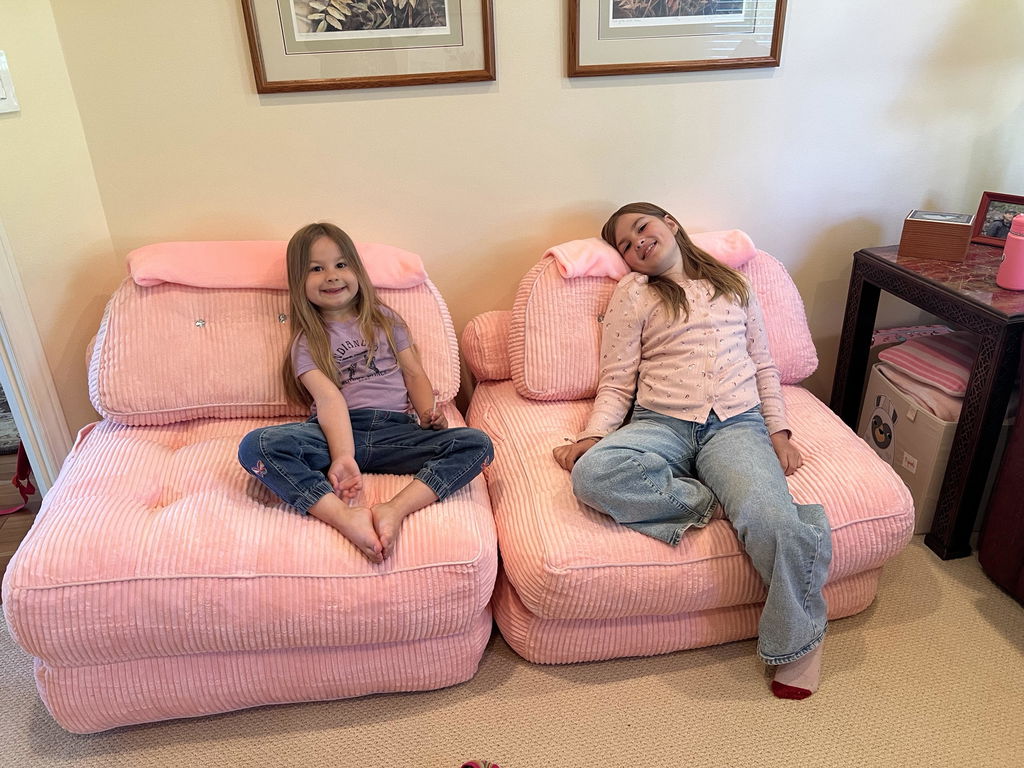
Finding the right sofa bed for a studio apartment under 500 square feet requires balancing three critical factors: compact dimensions (ideally under 60-70 inches wide), functional sleeping space, and quick conversion mechanisms. In 2026, the best options combine vacuum-compression technology with modular designs that fit through narrow doorways (as small as 29 inches) while providing genuine sleeping comfort. NESLAKO’s Wunder Puffer series exemplifies this trend, offering sleeping surfaces in packages that compress to one-third traditional size, with prices ranging $179-$459—significantly below competitors like IKEA FRIHETEN ($999) or Innovation Living Neah ($1800+). These space-saving designs prioritize ease of movement for renters who relocate 1.2 times annually, addressing the core pain point of bulky furniture in tight living quarters.
Why Size Matters: The 60-Inch Sweet Spot for Studios
For studios under 500 square feet, sofa beds measuring 55-72 inches wide create functional living zones without overwhelming floor space. Traditional sectionals often exceed 90 inches, consuming 30-40% of available room area and blocking natural traffic flow. Compact loveseat sleepers in the 60-inch range preserve 15-20% more usable space while still accommodating two adults for sleeping.
The critical measurement extends beyond width. Depth matters equally—models under 35 inches deep maintain visual openness and allow 36-inch walkways (the minimum recommended clearance). NESLAKO’s designs achieve 23-25 inch seat depths in sofa mode, expanding to full sleeping dimensions only when needed. This “compress-when-not-in-use” approach contrasts sharply with static pull-out mechanisms that permanently occupy floor real estate.
Doorway compatibility determines whether furniture actually enters your space. Standard apartment doorways measure 30-32 inches; many traditional sleeper sofas require professional disassembly for delivery. Vacuum-compression technology solves this: NESLAKO products ship in compressed packages that can navigate narrow doorways, then expand to full size within 5-10 minutes using tool-free assembly. For renters facing narrow hallways or walk-up buildings, this feature eliminates $200-400 delivery surcharges.
Conversion Mechanisms: Click-Clac vs Pull-Out vs Futon Designs
Three dominant conversion styles serve different space constraints and user preferences in 2026. Understanding their trade-offs helps match furniture to lifestyle patterns.
Click-clac (fold-down) mechanisms offer one-motion conversion—lift the seat, recline the back. Models like NESLAKO’s 3-in-1 design transition between upright sofa, lounge position, and flat bed quickly. This speed matters for spontaneous guest arrivals or daily use as a primary bed. The main limitation: they require 80-90 inches of clearance behind the sofa for full recline, which may challenge layouts against walls.
Pull-out sleeper sofas conceal mattresses within the frame, maintaining traditional sofa aesthetics. Premium options like Innovation Living Neah feature 8-inch pocket-spring mattresses rivaling standalone beds. However, they demand floor space in front (minimum 70 inches when extended) and typically weigh 150-200 pounds, complicating moves. For studios prioritizing guest-only use over daily sleeping, pull-outs preserve daytime living space.
Futon-style platforms split the difference—simpler mechanisms than pull-outs, faster conversion than traditional futons. NESLAKO’s high-memory foam construction (CertiPUR-US certified) provides cushioning that avoids the “bar-in-back” problem plaguing cheap futons. The modular approach allows rearranging sections: use as an L-shaped sofa for movie nights, then flatten into a 86-inch sleeping surface for guests.
| Mechanism Type | Conversion Speed | Floor Space Required | Weight (Typical) | Best For |
| Click-Clac | 30 seconds | 80-90” clearance behind | 60-90 lbs | Daily sleepers, quick changes |
| Pull-Out | 2-3 minutes | 70” clearance in front | 150-200 lbs | Guest-only use, traditional look |
| Futon/Modular | 1 minute | Minimal (folds in place) | 50-80 lbs | Renters, frequent movers |
Storage Solutions: Maximizing Every Cubic Inch
In 500-square-foot spaces, furniture must earn its footprint through dual purposes. Storage-integrated sleeper sofas address this by converting dead space into functional capacity.
Chaise storage compartments (like IKEA FRIHETEN’s design) hide beneath lift-up seats, offering 10-15 cubic feet for bedding, seasonal clothing, or rarely-used items. This works best for L-shaped configurations where the chaise extends into corner zones already underutilized. The trade-off: chaise sections add 30-40 inches to overall length, limiting placement options in narrow studios.
Under-seat drawers provide easier access than chaise lifts but sacrifice some capacity (typically 6-8 cubic feet). Models with visible legs create visual airflow underneath, making rooms feel less cramped—a psychological benefit in tight quarters. NESLAKO’s raised-leg designs exemplify this approach, combining storage accessibility with an airy aesthetic.
Modular compression storage represents a newer category. When not hosting guests, NESLAKO’s vacuum-compressed sections reduce to one-third size for convenient storage. This “furniture-as-needed” model suits minimalists or those alternating between solo living and guest hosting. A single-person household might keep only the loveseat assembled daily, adding sleeping modules from storage when visitors arrive.
Material Choices: Balancing Durability and Maintenance
Fabric selection impacts both longevity and cleaning effort—critical factors for small spaces where spills occur closer to seating areas.
Corduroy and flannel textures (like NESLAKO’s 3D corduroy in pink, black, and marshmallow colors) offer tactile warmth and hide minor wear better than smooth fabrics. The ribbed structure disguises pet hair and dust, reducing visible maintenance. However, these materials require regular vacuuming to prevent dirt accumulation in grooves. For pet owners or households with children, stain-resistant treatments become essential.
Performance velvet has surged in popularity for 2026 studio furniture. Its tight weave resists spills while maintaining a luxurious feel, and most versions clean with simple water blotting. The downside: premium performance fabrics add $200-400 to sofa costs. Budget-conscious buyers might prioritize removable, machine-washable covers instead—a feature increasingly common in modular designs.
Memory foam density determines support longevity. High-density foam (4+ lbs per cubic foot) retains shape through 8-10 years of use, while budget foam (2-3 lbs) compresses within 2-3 years. NESLAKO’s CertiPUR-US certified filling meets safety standards while providing medium-firm support suitable for both sitting and sleeping. For primary-bed use, aim for at least 5-6 inches of foam thickness to avoid feeling underlying frames.
Layout Strategies: Making 500 Sqft Feel Bigger
Strategic furniture placement amplifies perceived space beyond actual measurements. Compact sleeper sofas enable several layout tricks impossible with oversized pieces.
Floating arrangements (positioning sofas 12-18 inches from walls) create visual depth and allow airflow on all sides. This works best with narrow-depth models under 32 inches—NESLAKO’s 23-25 inch seat depth leaves room for this approach even in compact studios. The gap behind the sofa becomes functional: add a slim console table for keys and mail, or use the space for floor lamps that illuminate without consuming floor area.
Corner optimization suits L-shaped modular sleepers. By anchoring one section against a corner, you maximize seating capacity (often 3-4 people) while keeping the room’s center open. This layout particularly benefits studios with kitchenettes in one corner—the sofa defines a separate “living zone” without physical barriers.
Multi-zone flexibility emerges from movable modules. NESLAKO’s design allows separating sections: keep one as a reading chair near windows, position another as bedroom seating. When guests arrive, recombine into a sleeping surface. This adaptability matters for studios lacking dedicated guest rooms—the same furniture serves daily routines and occasional hosting.
Budget Considerations: Where to Invest and Where to Save
Sofa beds for small spaces span $300-$2000, with strategic spending focused on high-impact features.
Under $500 options (including NESLAKO’s $179-$459 range) prioritize compression technology and basic comfort over premium materials. These excel for renters or those furnishing temporary housing. Key quality markers at this price: CertiPUR-US foam certification, reinforced corner stitching, and at least 4 inches of cushioning. Avoid ultra-budget futons under $200—their thin padding creates pressure points unsuitable for regular sleeping.
$500-$1000 mid-range (like IKEA FRIHETEN at $999) adds storage integration and slightly better mattress support (5-6 inch thickness). This tier suits long-term renters or first-time homeowners who need durable furniture. Look for pocket-spring mattresses or high-density foam upgrades at this level.
$1000-$2000 premium tier (Innovation Living, Luonto brands) delivers hotel-quality sleep with 8-inch mattresses, solid wood frames, and designer fabrics. Justified for studios serving as permanent residences where the sleeper sofa functions as the primary bed. However, for guest-only use, the comfort difference rarely justifies doubling costs.
Hidden costs to factor: delivery fees ($100-$300 for traditional sofas vs. $0 for compressed models shipped via standard carriers), assembly charges ($75-$150 if professional help needed), and potential damage deposits if furniture scratches narrow hallways during move-in. NESLAKO’s vacuum-compression eliminates most of these surcharges.
Compliance and Safety: 2026 Standards for US Markets
Federal regulations tightened for upholstered furniture in 2025-2026, making compliance verification essential before purchase.
16 CFR Part 1633 flammability standards require mattresses and sleeper mechanisms to resist open flame ignition. Reputable brands display certification labels—verify these before finalizing purchases, especially for budget imports. Non-compliant furniture faces 23% recall rates and potential liability issues.
CARB Phase 2 formaldehyde limits apply to composite wood frames and foam adhesives. California standards (adopted by many states) restrict emissions to 0.09 ppm for plywood. NESLAKO’s CARB P2 certification ensures indoor air quality safety, particularly important in studios with limited ventilation.
STURDY Act anti-tip requirements mandate furniture over 27 inches tall include anchoring hardware. While most sleeper sofas stay under this threshold, modular designs with stackable sections may trigger compliance. Check included hardware and follow anchoring instructions to prevent tip-over hazards, especially in households with children or pets.
Measuring Your Space: The Pre-Purchase Checklist
Accurate measurements prevent costly returns and delivery failures. Before ordering any sleeper sofa for a studio under 500 sqft:
Map three dimensions: width (wall-to-wall where sofa will sit), depth (front-to-back clearance including walkways), and height (ceiling to sofa top, accounting for recline). Add 6 inches to manufacturer specs for assembly wiggle room.
Trace the delivery path: measure doorways (note if they swing inward, consuming space), hallway widths at narrowest points, and stairwell turns. For walk-up apartments, verify elevator dimensions or stair riser heights. Vacuum-compressed furniture bypasses most obstacles, but traditional sleepers may require window delivery ($400-$800 surcharge).
Test conversion clearance: in sofa mode, ensure 36 inches of walkway remains. In bed mode, verify the sleeping surface doesn’t block bathroom doors or kitchen access. Use painter’s tape to outline the footprint on your floor—live with it for 2-3 days to confirm the layout works.
Check electrical access: if choosing models with USB ports or integrated charging (increasingly common in 2026 designs), ensure outlets sit within 6 feet. Extension cords create tripping hazards in tight spaces.
Frequently Asked Questions
Q: What’s the actual sleeping size difference between twin and full sleeper sofas in studios under 500 sqft?
A: Twin sleepers (38-39” wide) accommodate one adult comfortably or two in a pinch, while full sleepers (54-60” wide) genuinely fit two adults without overlap. For studios hosting couples, full-size is worth the extra 15-20 inches of floor space. Solo dwellers gain more daily living room with twin options.
Q: How do I know if a sofa bed will fit through my apartment’s narrow doorway?
A: Measure your doorway’s narrowest point (usually 30-32 inches). Traditional sleeper sofas often require 36+ inches or professional disassembly. Vacuum-compressed models like NESLAKO ship in boxes fitting through 29-inch openings, then expand indoors. Always verify compressed shipping dimensions before ordering.
Q: Can modular sleeper sofas really provide the same comfort as traditional pull-out beds?
A: High-quality modular designs with 5+ inches of CertiPUR-US certified memory foam match mid-range pull-out comfort for occasional use (1-2 nights weekly). For primary bed use (nightly sleeping), pull-outs with 8-inch pocket-spring mattresses still lead in long-term support. The gap narrows yearly as foam technology improves.
Q: What’s the realistic lifespan of a budget sleeper sofa under $500 in daily use?
A: With proper care (rotating cushions, avoiding jumping, spot-cleaning spills immediately), budget sleepers can provide lasting value in guest-only use or as primary beds. Key longevity factors: foam density (4+ lbs/cubic foot preferred), reinforced stitching at stress points, and frame material (solid wood beats particleboard). NESLAKO’s compression technology doesn’t compromise durability—the vacuum process affects shipping, not structural integrity.
Transform Your Studio Into a Flexible Living Space
Small-space living doesn’t mean sacrificing comfort or style. The right sleeper sofa under 60 inches transforms 400-500 square foot studios into adaptable environments that serve daily routines and welcome overnight guests without permanent spatial compromise. By prioritizing compact dimensions, quick conversion mechanisms, and smart storage integration, you create a home that feels spacious despite its footprint.
Ready to reclaim your studio’s floor space? Explore NESLAKO’s vacuum-compressed sleeper collection at neslako.com, where compact design meets genuine comfort. With options starting at $179 and fitting through doorways as narrow as 29 inches, you’ll find space-efficient solutions engineered specifically for studio living—no assembly tools required, no delivery headaches, just straightforward comfort that adapts to your life.