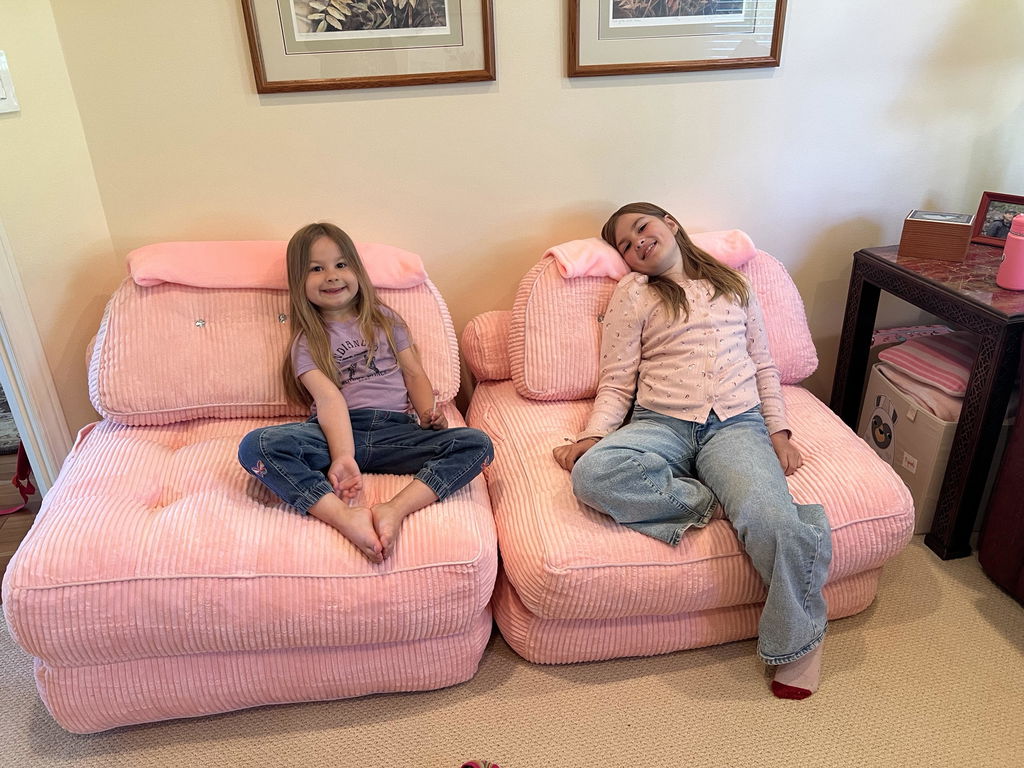
When you’re searching for a super soft teddy fleece sofa bed, you’re likely craving that cloud-like comfort for both lounging and sleeping—especially in a compact space. NESLAKO’s Wunder Puffer series delivers exactly this experience through high-rebound memory foam (97% recovery rate) paired with dual-sided fabric design: 3D corduroy on one side for durability, and flannel on the other for sleep-ready softness. The vacuum-compression technology shrinks these pieces to one-third their size for easy moving, then they self-inflate within 48 hours to full dimensions. Real user reviews consistently describe the sensation as “sinking into a warm cloud,” validating the teddy fleece softness promise while solving the small-space storage challenge that traditional sleeper sofas can’t address.
What Makes Teddy Fleece Different From Other Sofa Bed Fabrics
Teddy fleece stands apart through its unique fiber structure that traps warmth while maintaining breathability. Unlike standard velvet or microfiber, teddy fleece (also called sherpa or plush fleece) features looped fibers that create a three-dimensional texture. This construction delivers superior softness and thermal insulation—critical for sofa beds used in both sitting and sleeping positions.
The fabric’s warmth retention comes from air pockets within the fiber loops, making teddy fleece sofa beds naturally cozy without requiring additional blankets. NESLAKO’s implementation combines this texture with high-density foam layers underneath, creating a support system that prevents the common “sinking” problem of cheaper fleece-covered furniture. The 3D corduroy reverse side adds practical durability for daily use, while the flannel sleep surface maintains that signature plush feel.
Material science explains why teddy fleece feels warmer than velvet: the looped construction increases surface area contact with skin, creating more friction points that generate perceived warmth. This makes teddy fleece sofa beds particularly appealing for studio apartments and guest rooms where space heaters aren’t always practical.
Comparing Pull-Out Mechanisms: What Actually Matters for Daily Use
The conversion mechanism determines whether your teddy fleece sofa bed becomes a daily convenience or a storage nightmare. Three primary systems dominate the 2026 market: traditional pull-out frames, click-clack fold-down designs, and modular reconfiguration systems.
Traditional pull-out mechanisms require clearing floor space and often involve metal bars that dig into mattresses. Click-clack systems (used in many budget teddy fleece models) fold the backrest down to create a flat surface—simple but limiting in position options. NESLAKO’s modular approach allows segment-by-segment adjustment: the Étreinte 2-seater extends to over 140 inches of sleep surface through interlocking foam modules that maintain structural integrity without metal frames.
The dual-direction roller system in quality teddy fleece sofa beds enables smooth transitions even on carpeted floors. Cheaper models often use fixed plastic feet that scrape flooring or get stuck mid-conversion. When evaluating mechanisms, test the transition with one hand—if it requires two people or significant force, daily use will become a chore.
Weight capacity varies dramatically: NESLAKO’s carbon steel reinforcement supports 500 pounds per section, while budget alternatives often max out at 300 pounds total. This difference matters for couples or anyone who sits with pets, as lower-capacity frames sag faster and compress the teddy fleece unevenly, creating lumpy surfaces within months.
Memory Foam Layers: Why Cushion Construction Determines Long-Term Comfort
The stuffing beneath teddy fleece fabric separates temporary comfort from lasting support. Four-layer systems represent the 2026 standard for quality sofa beds: an air cotton top layer for immediate softness, high-density foam (45D or higher) for structure, memory foam for pressure distribution, and a base support layer.
NESLAKO’s 97% rebound rate memory foam maintains shape through repeated compression cycles—critical for furniture that converts daily. Budget teddy fleece sofa beds often use standard polyurethane foam (30D density) that bottoms out within six months, leaving you feeling the frame through the plush fabric. The memory foam layer should be at least 2 inches thick to effectively distribute body weight; thinner layers provide minimal advantage over basic foam.
Temperature-sensitive memory foam adds another dimension: it softens with body heat to cradle pressure points, then firms up when cooled. This characteristic works synergistically with teddy fleece’s warmth-retaining properties—the fabric traps heat that activates the foam’s contouring ability. However, some users find this combination too warm for summer use, which is why dual-sided designs with breathable reverse fabrics offer practical advantages.
Testing cushion quality requires sitting for 10+ minutes: if you feel the frame or notice uneven support, the foam density is insufficient. Quality memory foam should compress slowly under pressure and return to shape within 30 seconds of standing up.
Size and Space Optimization: Matching Dimensions to Your Floor Plan
Teddy fleece sofa beds range from 35-inch compact singles to 70-inch full-size sleepers, but width tells only part of the space story. Depth measurements matter more for small apartments: adjustable depth ranges (like NESLAKO’s 21.65-31.5 inch span) let you reconfigure the footprint based on daily needs versus overnight guest situations.
A 70-inch teddy fleece sofa in lounge position might consume 25 square feet, but when converted to a bed it can occupy 40+ square feet. Measure your room’s clearance zones—you need at least 24 inches of walkway space on at least two sides for comfortable movement. Studio apartments benefit from modular designs that can separate into individual seating pieces for daytime use, then reconnect for sleeping.
Doorway and stairwell dimensions create hidden constraints: traditional sofa beds often can’t navigate tight corners, but vacuum-compressed teddy fleece models shrink to dimensions that fit through 30-inch doorways. NESLAKO’s compression packaging reduces volume by two-thirds, enabling car-trunk transport and eliminating the need for delivery trucks in buildings without freight elevators.
Vertical space matters too—low-profile designs under 30 inches tall maintain sightlines in open-plan layouts, while taller backrests (35+ inches) provide better lumbar support but can visually divide small rooms. Consider ceiling height if you plan to use the sofa bed in a basement or loft conversion.
Price-Performance Analysis: What $300-$650 Actually Buys You
Budget teddy fleece sofa beds under $300 sacrifice durability for initial softness. These models typically use 30D foam, thin fleece fabric (prone to matting), and basic fold-flat mechanisms. They work for occasional guest use but degrade quickly with daily sitting—expect visible sagging within 12-18 months.
The $400-$500 mid-range delivers better value: you gain 40D+ foam, dual-sided fabrics, and improved frame construction. NESLAKO’s $459 Étreinte 2-seater sits in this tier, offering vacuum compression (a premium feature), memory foam layers, and carbon steel reinforcement. Competing models at this price often lack one of these three elements.
Premium teddy fleece sofa beds over $600 add solid wood frames, designer fabric options, and extended warranties. The cost increase primarily covers materials—hardwood frames versus engineered wood or metal—rather than functional improvements. Unless you need heirloom furniture, the performance difference rarely justifies the 40% price premium for typical 5-7 year use cycles.
Hidden costs include assembly (some brands charge $100+ for installation), replacement covers (if the teddy fleece mats or stains), and return shipping (bulky furniture often incurs $150+ return fees). NESLAKO’s tool-free assembly and vacuum packaging eliminate these extras, improving total cost of ownership.
Teddy Fleece vs. Chenille vs. Bouclé: Texture Durability Comparison
| Fabric Type | Softness (1-10) | Durability | Stain Resistance | Warmth Retention | Price Premium |
| Teddy Fleece | 9 | Moderate | Low | High | +$50-100 |
| Chenille | 7 | High | Moderate | Moderate | +$100-150 |
| Bouclé | 6 | Very High | High | Low | +$150-200 |
| Standard Velvet | 8 | Low | Low | Moderate | Baseline |
Teddy fleece prioritizes immediate tactile comfort over long-term resilience. The looped fibers that create its signature softness are vulnerable to matting in high-friction areas (armrests, seat edges) after 12-18 months of daily use. Chenille’s twisted yarn construction maintains texture longer but feels less plush initially. Bouclé’s tight loops resist wear best but lack the cloud-like softness that defines teddy fleece appeal.
For sofa beds specifically, teddy fleece’s warmth retention becomes a functional advantage during sleep mode, while chenille’s stain resistance helps in living room settings where spills occur. NESLAKO’s dual-sided design cleverly addresses this: use the corduroy side for daily sitting (more durable), flip to flannel for sleeping (maximum softness).
Climate considerations: teddy fleece sofa beds excel in northern states and winter use but can feel uncomfortably warm in southern regions during summer. Bouclé’s breathability makes it better for year-round use in warm climates, though it sacrifices the cozy factor that drives teddy fleece popularity.
Color Selection Strategy: Cream, Ivory, and Stain Reality
Cream and ivory teddy fleece sofa beds dominate 2026 aesthetics but demand realistic maintenance expectations. Light colors amplify the plush texture visually—the fiber loops catch light to create depth—but show every coffee spill and pet hair strand.
Stain resistance treatments help marginally: most teddy fleece fabrics receive basic water-repellent coatings that buy you 30-60 seconds to blot spills before absorption. This works for water-based liquids but fails against oils (pizza grease, lotion) that penetrate fiber loops immediately. Tan and beige tones hide discoloration better than pure white while maintaining the light, airy aesthetic.
NESLAKO’s cream white option suits low-traffic guest rooms and adult-only spaces. For households with children or pets, consider the darker corduroy reverse side for daily use, reserving the light flannel for sleeping when staining risks are minimal. Removable, washable covers add convenience but are rare in vacuum-compressed designs due to fitting challenges after re-inflation.
Professional cleaning costs $150-250 for sofa beds, required annually for light-colored teddy fleece in active households. Factor this into total ownership costs when comparing against darker alternatives that hide wear.
Tool-Free Assembly and Compression Technology Benefits
Vacuum compression transforms teddy fleece sofa beds from unwieldy furniture into manageable packages. Traditional sleeper sofas require professional delivery, stairwell navigation, and often assembly tools. NESLAKO’s compression reduces volume by 66%, enabling one-person carrying and eliminating delivery fees in most cases.
The 48-hour self-inflation process uses ambient air—no pumps or tools required. Simply remove the vacuum seal and allow the memory foam to expand naturally. This gradual inflation actually benefits foam structure, as rapid forced-air expansion can create uneven density. The teddy fleece fabric regains its full texture during this period as fibers relax from compression.
Concerns about permanent compression damage are overblown: quality memory foam (40D+) withstands vacuum sealing without losing rebound properties. However, budget foams (under 35D) may retain creases or develop soft spots. Check manufacturer specifications for foam density before purchasing compressed furniture.
Re-compression for moves is possible but requires professional vacuum equipment—not practical for DIY. Plan on traditional moving methods for subsequent relocations, though the modular segments still disassemble more easily than one-piece sofa beds.
Adjustable Features: Backrests, Armrests, and Depth Configuration
Adjustable depth ranges (21-31 inches) change how teddy fleece sofa beds function in multipurpose spaces. Shallow configurations (21-23 inches) work for upright sitting during meals or laptop work, while deep settings (29-31 inches) enable full lounging and napping. Fixed-depth models force compromise—too deep for proper dining posture, too shallow for comfortable reclining.
Backrest angle adjustment matters for reading and TV watching: 110-degree angles suit upright activities, while 130+ degrees support relaxation. Three-position mechanisms offer adequate versatility; continuously adjustable systems add complexity without proportional benefit for most users. NESLAKO’s click-lock positions balance simplicity with functional range.
Armrest height affects usability more than commonly recognized: low arms (under 25 inches) allow side-lying positions and don’t block sightlines, but provide minimal elbow support. High arms (28+ inches) improve sitting comfort but make the piece feel bulkier in small rooms. Adjustable-height arms (NESLAKO’s 21-31 inch range) solve this but add mechanical complexity.
Test adjustments in-store if possible: mechanisms should lock firmly without wobble, release with one-hand operation, and resist accidental position changes when you shift weight.
Small Space Solutions: Studio Apartment Case Studies
35-43 inch width teddy fleece sofa beds fit studio apartments that traditional furniture can’t accommodate. A 350-square-foot studio needs furniture that serves multiple functions without dominating floor space. NESLAKO’s compact singles (35.43 inches wide) provide seating for two adults, convert to twin-size sleep surfaces, and compress to closet-storable dimensions when not needed.
The key metric for studios: furniture footprint as percentage of total floor space. Aim for under 15% occupied by any single piece. A 40-inch sofa bed in lounge mode occupies roughly 10 square feet (2.9% of 350 sq ft), acceptable for primary seating. When converted to bed mode (expanding to 18-20 square feet), it becomes the room’s focal point—acceptable for nighttime but problematic if left extended during the day.
Modular designs that separate into ottomans or chairs during daytime offer superior space efficiency. However, connection points between modules can create uncomfortable ridges during sleep mode. Evaluate whether you prioritize daytime versatility or nighttime comfort based on your actual usage patterns.
Wall clearance requirements: leave 6-8 inches behind the sofa bed for air circulation and to prevent fabric from rubbing against walls (which damages teddy fleece texture). This spacing also facilitates easier conversion to bed mode.
FAQ
Q: How long does teddy fleece stay soft with daily use on a sofa bed?
A: Quality teddy fleece maintains softness for 18-24 months with daily sitting, though high-friction areas (armrests, seat edges) show matting after 12 months. Dual-sided designs like NESLAKO’s extend usable life by letting you rotate to the less-worn side. Vacuum the fabric monthly with an upholstery attachment to restore fiber loft and remove debris that accelerates wear.
Q: Can teddy fleece sofa beds support two adults sleeping comfortably?
A: Models with 140+ inch sleep surfaces and 500-pound weight capacity (like NESLAKO’s Étreinte 2-seater) accommodate two adults, provided the memory foam is at least 4 inches thick total. Thinner foam (under 3 inches) causes couples to “roll together” in the center. Individual comfort preferences vary—test sleeping positions before committing if possible.
Q: Do vacuum-compressed teddy fleece sofa beds fully regain their shape?
A: Yes, when using 40D+ density memory foam. The 48-hour inflation period allows foam cells to fully expand and teddy fleece fibers to relax. Budget models (under 35D foam) may retain slight compression marks. Avoid sitting on the sofa during the first 24 hours of inflation to ensure even expansion.
Q: What’s the best way to clean spills on cream teddy fleece without causing stains?
A: Blot immediately (within 60 seconds) with a clean, dry cloth—don’t rub, as this pushes liquid deeper into fiber loops. For water-based spills, use a damp cloth with mild dish soap after blotting. Oil-based stains require enzyme cleaners applied within 5 minutes. Professional cleaning is recommended for large spills on light-colored teddy fleece, as home methods often leave water rings or discoloration.
Make Your Small Space Work Harder
If you’re navigating the challenge of small-space living while refusing to compromise on comfort, teddy fleece sofa beds with smart engineering—like NESLAKO’s vacuum-compressed, memory foam designs—offer a practical solution. The combination of cloud-like softness, space-saving compression, and dual-functionality addresses the core frustrations of studio and apartment living. Explore NESLAKO’s Wunder Puffer series at neslako.com to see how thoughtful furniture design can transform limited square footage into a comfortable, adaptable home environment that actually feels like yours.