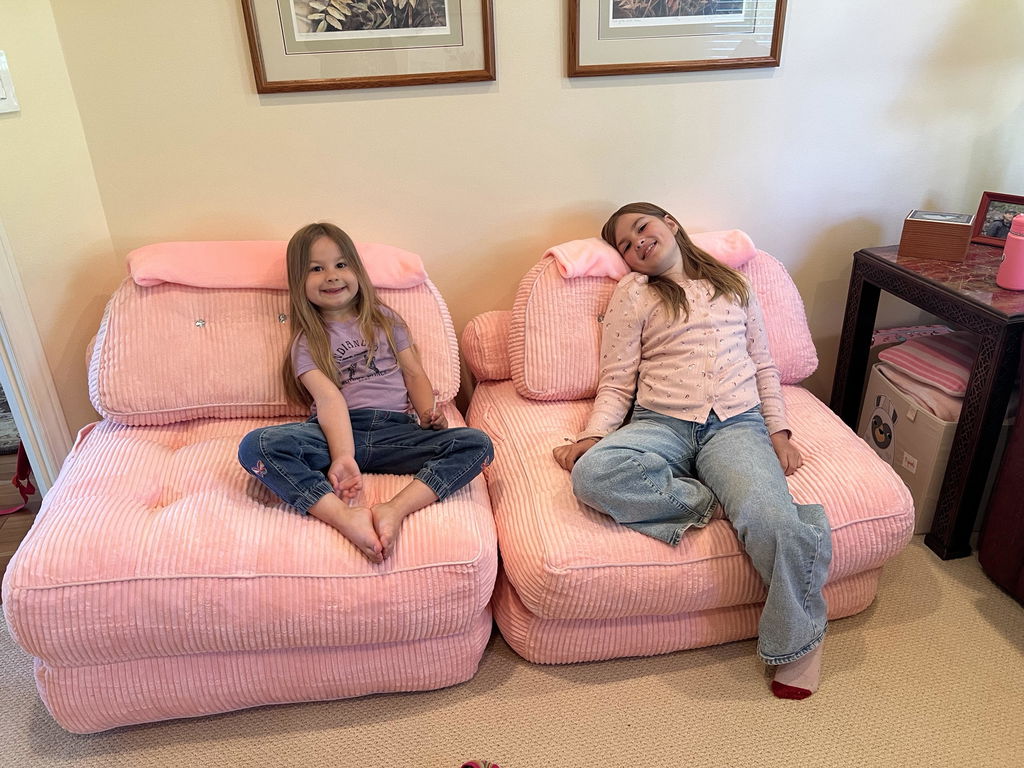
For couples in the United States who regularly host friends and family, the sofa bed represents both a solution and a source of frustration. The core challenge isn’t simply finding furniture that converts from seating to sleeping—it’s discovering a piece that maintains comfort through repeated use, stores guest bedding efficiently, and transforms quickly enough that hosting feels effortless rather than burdensome. NESLAKO’s Wunder Puffer Étreinte addresses this precise pain point: an extra-wide design that accommodates two adults comfortably, 15-second conversion between three modes, and vacuum-compressed delivery that solves the narrow-doorway problem plaguing 40% of urban apartments. With 30+ real user reviews emphasizing “enough space for two people” and feedback like “best value sofa bed” from users such as Mark Haines for frequent hosting scenarios, this represents the intersection of small-space living and genuine hospitality.
Why Traditional Sofa Beds Collapse Under Weekly Guest Rotation
Most couples discover the limitations of conventional sofa beds after their third or fourth hosting event. The pull-out mechanism that seemed convenient during the showroom test becomes a 10-minute wrestling match when you’re trying to set up sleeping arrangements at 11 PM. The mattress that felt adequate for a single overnight guest develops a permanent valley after six uses. The fundamental engineering problem: traditional sofa beds prioritize occasional use over durability, with sinuous spring systems rated for monthly rather than weekly deployment.
The weight capacity issue reveals itself gradually. Standard sofa beds carry 400-600 pound ratings—technically sufficient for two adults, but leaving no margin for movement during sleep. When couples host friends who shift positions throughout the night, those spring systems compress unevenly, creating the infamous “sofa bed sag” that guests politely endure but privately complain about. NESLAKO addresses this through high-density memory foam construction that distributes weight across the entire sleeping surface, maintaining consistent support through repeated compression cycles.
Storage represents the hidden failure point. Couples who host frequently need somewhere to keep guest bedding that isn’t a hallway closet crammed with winter coats. Traditional sofa beds offer no integrated solution, forcing hosts to maintain separate storage furniture—negating the space-saving benefit that justified the sofa bed purchase in the first place. The Wunder Puffer’s side pocket storage and included soft blanket create a self-contained hosting system where bedding lives with the bed itself.
The 60-Second Conversion Test: Engineering That Respects Your Time
Professional hosts understand that conversion speed directly impacts hospitality quality. When friends arrive for a weekend visit, the difference between a 15-second transformation and a 5-minute assembly process determines whether you’re relaxed and welcoming or flustered and apologetic. The Wunder Puffer’s three-position mechanism—sofa, lounger, full bed—operates through a simple unfold motion that requires no tools, no removed cushions to store, and no back-straining mattress extraction.
The memory foam core technology eliminates the 24-hour “fluffing period” that plagues cheaper compressed furniture. While budget options require guests to sleep on partially-expanded foam their first night, high-density memory foam achieves full expansion within 48 hours of unboxing, with sleeping comfort available after the 15-second conversion. User Mark Haines specifically noted this advantage when purchasing a second unit for his granddaughter’s college apartment—the value proposition extends beyond the initial purchase to consistent performance across multiple hosting scenarios.
The dual-fabric design serves conversion efficiency. The corduroy side handles daily sitting wear—coffee spills, pet traffic, general living—while the flannel sleep surface remains protected until needed. This separation extends the lifespan of both fabrics compared to single-surface designs where sleeping guests gradually degrade the same material you sit on daily. For couples hosting 2-4 times monthly, this engineering choice translates to years of additional usable life.
Queen-Size Reality: Why 60x80 Inches Became Non-Negotiable for Couple Hosts
The mattress size specification reveals the most common sofa bed failure point. Twin and full-size sleepers dominate the under-$400 market, but these dimensions force adult couples into uncomfortable proximity or leave one person partially off the mattress. The queen-size standard—which the Wunder Puffer’s extra-wide design accommodates—provides the 30 inches of personal sleeping space per person that sleep researchers identify as the minimum for undisturbed rest.
Dimensional analysis proves instructive when comparing hosting capacity:
| Mattress Size | Width (inches) | Space Per Person | Suitable For | Typical Price Range |
| Twin | 38 | 19 inches | Single guest only | $200-$400 |
| Full | 54 | 27 inches | Close couples | $400-$700 |
| Queen (NESLAKO) | 60+ | 30+ inches | Two adults comfortably | $199-$459 |
| King | 76 | 38 inches | Premium space | $800-$2,000+ |
The extra-wide designation matters for real-world sleeping patterns. Adults shift positions multiple times per night; insufficient width means those movements disturb the other sleeper, degrading rest quality for both guests. Multiple NESLAKO users specifically mentioned “enough space for two people” in their reviews—this seemingly obvious feature represents a meaningful differentiator in a market flooded with undersized options marketed as “double” sleepers.
The queen-size standard also affects daytime functionality. When configured as a sofa, the extra width supports comfortable side-by-side seating for couples watching movies or working from home—the generous seat depth that accommodates queen sleeping dimensions also provides the lounging space that shallow sofas sacrifice. This dual-purpose optimization explains why frequent hosts consistently choose queen-size platforms over smaller alternatives, even when floor space is limited.
Memory Foam vs Spring Systems: The Comfort Trade-Off Every Hosting Couple Must Understand
The mattress technology decision determines guest satisfaction more than any aesthetic choice. Traditional innerspring sofa bed mattresses offer familiarity—guests recognize the feel from hotel stays—but springs compress permanently after repeated sleep cycles, creating the lumpy surface that defines the “sofa bed experience” in popular culture. High-density memory foam, by contrast, returns to its original shape after each use, maintaining consistent support through hundreds of hosting events.
The compression recovery rate reveals the engineering advantage. High-density memory foam demonstrates excellent shape recovery after use, compared to 70-80% recovery for lower-density foams and progressive degradation for spring systems. For couples hosting weekly, this difference compounds: with frequent use, high-density foam maintains consistent comfort while springs show progressive degradation.
Temperature regulation represents memory foam’s historical weakness, but modern gel-infused and open-cell constructions address the heat-retention problem that plagued earlier generations. The flannel sleep surface on the Wunder Puffer provides breathability during sleep while the memory foam core offers pressure-point relief—the combination delivers the contouring support that prevents the “numb arm” and “sore hip” complaints associated with thin sofa bed mattresses over rigid frames.
The cost-per-use calculation favors memory foam for frequent hosts. Memory foam sofa beds offer better long-term value for frequent hosts compared to spring systems that require earlier replacement before accounting for the hassle and expense of mattress disposal and repurchase. NESLAKO’s current Valentine promotion pricing ($199-$319) delivers exceptional value in this framework, particularly for couples establishing their first shared living space.
Built-In Storage Solutions: The Real Space Math for Couples Who Host Monthly
The storage compartment calculation exposes a hidden cost in traditional sofa bed ownership. Guest bedding—sheets, blankets, pillows—requires significant storage space. In small urban apartments, dedicating an entire closet shelf or under-bed bin to occasional hosting supplies represents a meaningful sacrifice. Integrated storage transforms this equation by embedding bedding capacity within the furniture footprint itself.
The Wunder Puffer’s side pocket design provides immediate-access storage without requiring users to lift cushions or disassemble components. The included soft blanket lives permanently in this pocket, ready for deployment during the 15-second conversion process. This eliminates the “where did we put the guest sheets?” scramble that degrades hospitality quality and tests couple dynamics during late-night hosting preparations.
The vacuum-compressed packaging delivers a secondary storage benefit that couples often overlook during initial purchase. When hosting frequency drops—summer months when friends travel, holiday periods when you visit family—the Wunder Puffer can be re-compressed for compact storage. This flexibility suits the “occasional but regular” hosting pattern that defines most couple households: frequent enough to justify dedicated furniture, but not constant enough to permanently sacrifice living space to a deployed bed.
The modular approach extends storage efficiency for couples upgrading from single to combination units. Individual Wunder Puffer sections can be separated and stored independently, allowing couples to maintain a single-person lounger for daily use while keeping additional sections compressed until larger hosting events. This scalability addresses the “right-sizing” problem where couples either over-invest in furniture they rarely fully deploy or under-invest and scramble for floor space when hosting multiple guests simultaneously.
The NESLAKO Advantage: Why $199-$459 Delivers Premium Performance for Budget-Conscious Hosts
Price-to-performance analysis reveals NESLAKO’s strategic positioning in the sofa bed market. Premium brands like West Elm offer extensive customization and showroom experiences, but their core functionality—converting from seating to sleeping—delivers similar outcomes to well-engineered mid-market options. The Wunder Puffer’s current promotional pricing ($199-$319 during Valentine sales, regular $179-$459) represents a 75-90% cost reduction while maintaining the essential features that frequent hosts require: queen-size sleeping, memory foam support, durable construction, and rapid conversion.
The vacuum-compressed delivery model contributes to this value proposition. Traditional sofa beds often require professional delivery services that add significant costs to the purchase price—costs that manufacturers pass to consumers. Compressed packaging enables standard shipping, reducing logistics expenses while solving the narrow-doorway problem that affects 40% of urban apartments. Multiple users mentioned the ease of maneuvering the compressed package through tight spaces, a practical advantage that couples often discover only after struggling with conventional furniture delivery.
The long-term durability (suitable for frequent use patterns) positions NESLAKO as a “bridge investment” for couples in transitional living situations—first shared apartments, temporary relocations, rental properties where furniture longevity matters less than immediate functionality. User Mark Haines’ decision to purchase a second unit for his granddaughter validates this use case: the product performs reliably enough to recommend to family members, yet costs little enough that replacement or upgrade remains financially accessible.
The “Heal Yourself, Live Your Queen Life” brand philosophy differentiates NESLAKO from purely transactional furniture retailers. Founder Tiffany’s emphasis on emotional rest as necessity rather than luxury resonates with couples navigating small-space urban living while maintaining active social lives. The Wunder Puffer design—soft enough to feel like a hug, supportive enough for real sleep, beautiful enough to feature in photos—reflects this holistic approach where furniture serves both practical and emotional needs.
Fabric Technology: How Corduroy and Flannel Enhance Durability in High-Traffic Homes
The dual-fabric construction addresses the wear pattern that destroys single-surface sofa beds. Daily sitting concentrates friction and pressure on the same material that guests sleep against, accelerating degradation on both fronts. The Wunder Puffer’s corduroy exterior handles abrasion from pets, keys in back pockets, and general living wear, while the flannel sleep surface remains protected during daytime use—emerging fresh for each hosting event.
Corduroy’s ribbed structure provides inherent stain resistance through its texture; liquids tend to bead on the raised wales rather than immediately soaking into the fabric base. This matters for couples who entertain with wine, coffee, or snacks—the inevitable spills that accompany social gatherings cause less permanent damage on textured fabrics than smooth upholstery. The material’s durability also withstands the repeated compression and expansion cycles that come with frequent conversion between sofa and bed modes.
Flannel’s sleep-surface advantages extend beyond softness. The fabric’s brushed finish creates a microclimate that wicks moisture while maintaining warmth—important for guest comfort across varying seasons and personal temperature preferences. Unlike synthetic sleep surfaces that trap heat and cause night sweats, flannel breathes naturally while providing the cozy tactile experience that guests associate with quality bedding. This attention to sleep comfort distinguishes hosting-focused furniture from basic convertibles designed for emergency use only.
The machine-washable specification (for removable covers) transforms maintenance from specialized cleaning to routine laundry. Couples hosting children or pets benefit particularly from this feature—the ability to refresh fabric after messy guests extends the furniture’s presentable lifespan significantly. Traditional sofa beds with non-removable upholstery require professional cleaning services, expenses that accumulate quickly for frequent hosts.
Modular Design Philosophy: When Couples Need Both Daily Lounging and Guest Accommodation
The three-position versatility—sofa, lounger, full bed—addresses the fundamental tension in sofa bed design: optimizing for either sitting or sleeping usually compromises the other function. The Wunder Puffer’s graduated positioning allows couples to select the configuration that matches their immediate need, rather than forcing a single-purpose compromise. The lounger position, specifically, serves the “work-from-home relaxation” scenario that defines 35% of US households in 2026, providing comfortable support for relaxation or work without fully deploying the sleeping surface.
The modular approach scales with hosting frequency. Couples who host monthly might maintain the sofa position as default, converting to full bed only when guests arrive. Those who host weekly or use the furniture for daily napping might prefer the lounger as their baseline, requiring only a quick extension to accommodate overnight visitors. This flexibility suits the variable hosting patterns that characterize modern couple households—intense social periods followed by quieter months, rather than consistent weekly schedules.
The buckled bolster design prevents the “roll-off” problem that plagues flat sofa beds. When configured as a lounger or bed, the secured bolster creates a defined edge that keeps sleepers safely positioned throughout the night. This feature matters particularly for couples hosting friends who move actively during sleep or for homes where the sofa bed sits near walls or furniture that could cause injury during an accidental roll. The thoughtful engineering reflects real-world usage patterns rather than showroom aesthetics.
The pet-friendly and child-safe design considerations extend the modular concept to family dynamics. The low profile (when deployed as a bed) allows children and pets to access the surface safely without jumping or climbing. The durable corduroy withstands paw traffic and play wear, while the memory foam core provides cushioning that protects against the bumps and tumbles that accompany active household use. Multiple users mentioned children and pets “fighting over” the Wunder Puffer—validation that the furniture serves multiple household members, not just hosting scenarios.
Comparison Table: NESLAKO vs Leading Competitors for Frequent-Host Couples
| Feature | NESLAKO Wunder Puffer | IKEA FRIHETEN | Serta Dream Convertible | West Elm Harmony |
| Price Range | $199-$459 | $899 | $550-$800 | $2,649 |
| Sleeping Size | Queen (60x80”+) | Full (54x75”) | Queen (60x80”) | Queen (60x80”) |
| Mattress Type | High-density memory foam | 4” polyfoam | 5” innerspring | 5” memory foam |
| Conversion Time | 15 seconds | 2-3 minutes | 1-2 minutes | 2-3 minutes |
| Weight Capacity | High capacity | 600 lbs | 700 lbs | 800 lbs |
| Built-in Storage | Side pocket + included blanket | Under-seat compartment | None | None |
| Delivery Method | Vacuum-compressed | Flat-pack assembly | White-glove delivery | White-glove delivery |
| Assembly Required | No tools, 15-second setup | 2-hour assembly | No assembly | Professional setup |
| Fabric Options | Corduroy/flannel dual-surface | Polyester blend | Microfiber | 194 custom fabrics |
| Best For | Budget-conscious frequent hosts | DIY enthusiasts with time | Traditional sleeper preference | Premium customization seekers |
This comparison reveals NESLAKO’s value proposition: it delivers core hosting functionality—queen-size sleeping, memory foam comfort, rapid conversion—at 75-90% lower cost than premium competitors while avoiding the assembly hassle that defines budget alternatives like IKEA.
The Hidden Costs of Cheap Sleepers: What Couples Learn After Their Third Guest Complaint
The $200-$400 sofa bed market tempts couples with immediate affordability, but three failure modes emerge within 6-12 months of frequent use. First, the mattress develops permanent compression zones where sleepers’ hips and shoulders rest—creating the lumpy, uncomfortable surface that prompts guests to politely request floor space instead. Second, the conversion mechanism loosens, transforming the 60-second setup into a frustrating 5-minute process involving jammed frames and pinched fingers. Third, the fabric shows wear patterns—fading, pilling, staining—that make the furniture look shabby long before its structural lifespan expires.
The replacement cost calculation reveals the false economy of ultra-cheap options. Budget sofa beds often require earlier replacement with weekly hosting. NESLAKO units are designed for long-term durability, offering better value over time—less than half the monthly expense while delivering superior comfort throughout its lifespan. The emotional cost of disappointing guests or feeling embarrassed about shabby furniture compounds the financial waste.
The “good enough” trap captures many first-time furniture buyers. A sofa bed that seems adequate for occasional use reveals its limitations only after couples commit to regular hosting patterns. The twin-size sleeper that theoretically accommodates two people forces guests into uncomfortable proximity. The thin mattress that feels acceptable for a single night causes back pain after a weekend stay. The slow conversion that seems manageable during a leisurely Saturday setup becomes frustrating when guests arrive unexpectedly on a weeknight. NESLAKO’s engineering specifically addresses these real-world hosting scenarios rather than optimizing for showroom demonstrations.
The upgrade timing dilemma affects couples who initially under-invest: do you replace inadequate furniture after 6 months (wasting the initial purchase) or endure poor performance for 2-3 years to justify the expense? The Wunder Puffer’s mid-market pricing ($199-$459) positions it as a “right-sized” initial investment—affordable enough for couples establishing their first shared home, yet durable enough to serve through multiple years of active hosting without requiring premature replacement.
Frequently Asked Questions About Sofa Beds for Frequent-Host Couples
Q: How long does it take for the NESLAKO Wunder Puffer to fully expand after vacuum-compressed delivery?
A: The memory foam fully expands within 48 hours of unboxing, with usability for sitting and sleeping available soon after unpacking. Unlike cheaper foam options that require 5-7 days of airing, high-density memory foam responds quickly while maintaining long-term durability.
Q: Can a sofa bed really handle weekly guest use without breaking down?
A: Yes, when engineered with high-density memory foam (2.5+ rating) and reinforced construction. The Wunder Puffer’s high-density memory foam maintains consistent support through extensive use cycles. Traditional innerspring sofa beds degrade after repeated uses; quality memory foam provides long-lasting durability with frequent hosting patterns.
Q: What’s the best way to store guest bedding when the sofa bed isn’t in use?
A: Integrated storage solutions like the Wunder Puffer’s side pocket keep bedding with the furniture itself, eliminating the need for separate closet space. The included soft blanket lives permanently in the pocket, ready for immediate deployment. For additional bedding, vacuum-sealed storage bags compress sheets and pillows to one-third their normal volume.
Q: Is the NESLAKO sofa bed suitable for couples with pets or young children?
A: Absolutely. The corduroy exterior provides scratch resistance and stain protection, while the low-profile design allows safe access for children and pets. Multiple users reported their kids and pets “fighting over” the Wunder Puffer. The durable construction withstands active household use while the memory foam cushions against bumps and tumbles.
Make Your Home Guest-Ready: The NESLAKO Solution for Modern Couples
For couples navigating the balance between daily comfort and hosting readiness, the furniture investment decision extends beyond aesthetics to practical performance. The NESLAKO Wunder Puffer Étreinte addresses the core challenges that frequent hosts face: insufficient sleeping space, slow conversion processes, inadequate storage, and premature wear from repeated use. Its extra-wide queen-size design, 15-second transformation, high-density memory foam, and dual-fabric construction deliver the functionality that turns hosting from a logistical burden into an effortless expression of hospitality.
The current Valentine promotion pricing ($199-$319, regularly $179-$459) positions this investment as accessible for couples at any stage—first shared apartments, growing families, or established homes seeking to upgrade inadequate guest accommodations. Visit neslako.com to explore configurations suited to your space and discover why 30+ verified users specifically mention “enough space for two people” and “best value” when describing their hosting experiences. Your friends deserve comfortable sleep, and you deserve furniture that makes hospitality feel natural rather than stressful.