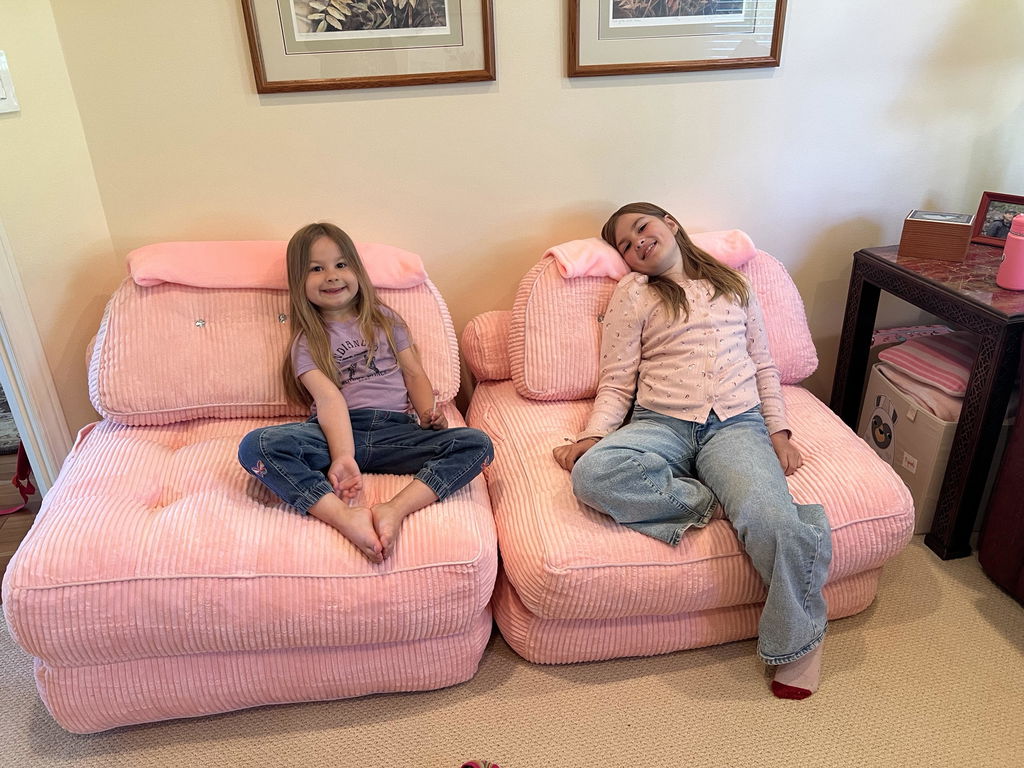
When two people share a sofa bed in a compact apartment, the difference between restful sleep and restless nights often comes down to inches—specifically, whether that mattress actually measures a true queen size. NESLAKO’s Wunder Puffer series delivers a queen-size sleeping surface, addressing the core challenge couples face: finding furniture that functions as both a stylish daytime sofa and a genuinely comfortable bed for two adults without dominating limited square footage.
Most convertible sofas marketed as “couple-friendly” fall short on actual sleeping dimensions, cramming two people onto full-size surfaces (75 inches) that force uncomfortable proximity. The physics are straightforward—each adult needs approximately 38-40 inches of personal sleep space to avoid constant contact and sleep disruption. A genuine queen-size sleeper provides 60x80 inches of mattress surface, translating to 43 inches per person when centered. NESLAKO’s overall width accommodates this queen standard while maintaining a compact footprint through vacuum-compression technology that reduces shipping volume and enables single-person setup in under 15 minutes.
Understanding Real Queen-Size Requirements for Two Adults
A true queen-size sofa bed must deliver 60x80 inches of unobstructed sleeping surface—not the advertised sofa width. Many manufacturers list overall dimensions (including armrests and frame) rather than actual mattress measurements, creating confusion for buyers. When couples share a sleeping surface smaller than 60 inches wide, sleep quality can decrease significantly due to physical contact disruptions and restricted movement.
The critical measurement hierarchy for couple-friendly sofa beds:
Mattress surface: Minimum 60 inches wide (queen standard) for two adults
Overall sofa width: 82-90 inches to accommodate frame and conversion mechanism
Depth when converted: 75-80 inches to prevent feet hanging off edges
Cushion thickness: 4-6 inches of high-density foam for proper spinal support
NESLAKO’s Étreinte dual-person model specifically addresses small-space couple needs with its 3-in-1 configuration (sofa/chaise/bed) that maintains queen-size sleeping dimensions. The vacuum-compressed packaging (expanding to full size within 48 hours as recommended) solves the logistics nightmare of maneuvering traditional bulky sleepers through narrow apartment hallways and stairwells.
Pull-Out vs Fold-Out Mechanisms: Which Conversion System Actually Works Daily
Conversion mechanism design determines whether couples will actually use their sofa bed regularly or abandon it after the first frustrating setup. Traditional pull-out systems with metal bars and thin mattresses create a 5-10 minute conversion process requiring two people and furniture rearrangement. Fold-out designs reduce this to 15-30 seconds with single-person operation—a critical difference for daily use scenarios.
Mechanism Type Comparison for Couple Use
| Mechanism Type | Conversion Time | People Required | Mattress Quality | Daily Use Viability |
| Traditional Pull-Out | 5-10 minutes | 2 people | Thin (3-4”) with bar | Low - too cumbersome |
| Click-Clack Fold | 15-30 seconds | 1 person | Medium (4-5”) | High - simple operation |
| Modular Unfold | 30-60 seconds | 1 person | Thick (5-6”) | High - no mechanisms |
| NESLAKO 3-in-1 | 15 seconds | 1 person | Memory foam 5-6” | Very High - effortless |
NESLAKO’s design with modular seat sections provides reliable conversion compared to traditional sleepers. The corduroy/flannel dual-fabric system provides durability for daily sofa use (corduroy side) and sleep comfort (flannel side) without requiring separate mattress pads. Users report the ergonomic backrest supports extended work sessions without lower back fatigue—a crucial feature when the sofa doubles as a home office chair in shared studio apartments.
The conversion simplicity directly impacts relationship dynamics in small spaces. When one partner works late while the other needs sleep, a 15-second quiet conversion prevents disruption. Traditional pull-out mechanisms create noise, require moving coffee tables, and often wake the sleeping partner—friction points that accumulate over months of shared living.
Storage Solutions That Actually Fit Bedding for Two
Integrated storage capacity determines whether bedding stays organized or creates visual clutter in compact spaces. A queen-size bedding set (comforter, two pillows, fitted and flat sheets) occupies approximately 4-5 cubic feet. Most sofa beds offer zero storage, forcing couples to dedicate precious closet space or leave bedding visibly piled in corners.
Effective storage integration options for couple-sized bedding:
Chaise compartments: 3-4 cubic feet capacity, accessible via lift-top mechanism
Ottoman modules: 2-3 cubic feet, can double as coffee table or extra seating
Under-seat drawers: 1-2 cubic feet per section, requires floor clearance
Side pockets: 0.5 cubic feet, suitable for pillows and throws only
NESLAKO’s side pocket design provides immediate access to throw blankets and decorative pillows without requiring full compartment opening. While not large enough for complete bedding sets, this addresses the daily use case—keeping a lightweight throw within reach for evening TV watching. For full bedding storage, pairing the sofa with a storage ottoman creates a complete solution while maintaining the modular flexibility crucial for rearranging small layouts.
The vacuum-compression advantage extends beyond initial delivery—couples can re-compress seasonal bedding (winter comforters, extra blanket sets) using standard vacuum storage bags, reducing storage footprint by 75%. This matters significantly in shared apartments where both partners bring existing bedding collections that need accommodation.
Performance Fabrics That Survive Daily Couple Use and Pet Contact
Upholstery durability directly correlates with total cost of ownership in high-traffic couple spaces. Budget fabrics show wear patterns within 6-12 months of daily use, while performance-grade materials maintain appearance for 3-5 years. The hidden cost difference: a $400 sofa requiring reupholstery at $300 after one year costs more than a $700 sofa lasting five years.
Fabric performance metrics for couple/pet households:
Abrasion resistance: Minimum 25,000 double rubs (Wyzenbeek test) for daily use
Stain resistance: Treated polyester or solution-dyed acrylic for spill protection
Pilling resistance: Grade 4-5 (minimal to no pilling) after 5,000 cycles
Colorfastness: Grade 4-5 to prevent fading from window light exposure
NESLAKO’s dual-fabric approach (3D corduroy + flannel) provides specialized performance for each function. The corduroy exterior withstands daily sitting wear and pet claw contact, while the flannel sleep surface offers skin-friendly softness without requiring separate mattress covers. User reviews specifically note the corduroy “feels warm like a cloud” while resisting visible wear after months of use—a combination rarely achieved in single-fabric designs.
For pet-owning couples, fabric texture matters as much as durability. Smooth polyester shows every pet hair and requires daily vacuuming. Corduroy’s textured surface camouflages light hair accumulation between weekly cleanings. The flannel sleep side naturally resists pet hair adherence due to its napped finish, preventing the morning surprise of waking covered in fur.
Small-Space Floor Plan Optimization for 86-Inch Sleepers
Strategic placement of a queen-size sofa bed determines whether a studio apartment feels spacious or cramped. An 86-inch sofa against the wrong wall can block natural light, obstruct traffic flow, or prevent door operation. Successful placement requires calculating the converted bed footprint (typically 80 inches deep) plus minimum clearance zones.
Optimal placement strategies by apartment layout:
Studio apartments (400-600 sq ft): Position sofa perpendicular to longest wall, creating visual room division between sleeping and living zones. When converted, the bed extends into the living area without blocking kitchen or bathroom access. NESLAKO’s modular design allows L-configuration that defines space boundaries while maintaining conversion clearance.
1-bedroom apartments (600-800 sq ft): Place sofa bed in living room against non-window wall to preserve natural light. This positioning allows the bedroom to remain private while providing guest accommodation. The 86-inch width fits most living rooms without requiring furniture removal for conversion.
Shared 2-bedroom apartments (800-1000 sq ft): When roommates share common spaces, sofa bed placement near balcony or secondary window creates a semi-private guest zone. NESLAKO’s 15-second conversion enables quick setup without coordinating with roommates or moving shared furniture.
The vacuum-compression delivery advantage matters significantly in buildings with narrow hallways or small elevators. Traditional 86-inch sofas require professional delivery teams and often won’t navigate tight corners. Compressed packaging reduces dimensions to carry-able boxes that single individuals can transport via personal vehicle—a cost saving of $150-300 in delivery fees.
Memory Foam vs Spring Support: What Actually Matters for Couples
Mattress construction determines whether two adults wake refreshed or with back pain after 7-8 hours of shared sleep. Traditional sofa bed mattresses use thin innerspring construction (3-4 inches) that creates pressure points and motion transfer. Modern memory foam systems (5-6 inches) provide superior support but vary dramatically in density and heat retention.
Critical support specifications for two-person use:
Foam density: Minimum 3.5 lbs/cubic foot for adults over 150 lbs
Total thickness: 5-6 inches to prevent feeling frame through mattress
Firmness level: Medium-firm (6-7 on 10-point scale) for multi-position sleeping
Edge support: Reinforced perimeter prevents roll-off for edge sleepers
NESLAKO’s high-density memory foam system provides spinal support during both sleeping and extended sitting sessions. Multiple users specifically mention working from the sofa for 4-6 hour stretches without lower back fatigue—a performance level impossible with standard sofa cushioning. The fixed ergonomic backrest maintains lumbar curve support whether sitting upright or reclining at 30-degree angles.
Motion isolation becomes critical when partners have different sleep schedules. Memory foam absorbs movement, preventing one person’s tossing from disturbing the other. Spring systems transfer motion across the entire surface—every position shift creates ripples that wake light sleepers. For couples where one partner works night shifts or travels frequently, this difference directly impacts relationship quality through better sleep for both individuals.
Budget Reality: Complete Couple-Friendly Systems Under $800
Total cost of couple-ready sofa bed ownership includes hidden expenses beyond sticker price. A $400 base sofa requiring $150 delivery, $100 mattress topper for comfort, $80 bedding storage ottoman, and $70 stain-resistant treatment totals $800—matching the upfront cost of integrated solutions that include these features.
Price-Performance Comparison for Couple Use
| Price Tier | Base Features | Required Add-Ons | True Total Cost | Lifespan |
| Budget ($300-500) | Basic fold-out, thin mattress | Topper, delivery, storage | $650-800 | 1-2 years |
| Mid-Range ($500-800) | Memory foam, decent fabric | Delivery, possible storage | $700-1000 | 3-4 years |
| NESLAKO ($319-459) | Queen foam, dual fabric, compression | None - includes essentials | $319-459 | 3-5 years |
| Premium ($1000+) | Luxury materials, brand name | Minimal | $1100-1500 | 5-7 years |
NESLAKO’s vacuum-compression delivery eliminates $150-300 in professional delivery fees while the dual-fabric system removes the need for separate mattress toppers or protective covers. The 48-hour expansion period requires planning (order before guests arrive, not day-of), but users report the foam reaches 95% full loft within 24 hours—sufficient for immediate use if needed.
The cost-per-use calculation favors quality mid-range options for couples using the sofa bed weekly or more. At $459 for the Étreinte model used 50 nights per year over 4 years, cost per night drops to $2.30—less than the depreciation on cheap alternatives requiring replacement after 18 months. For couples hosting frequent guests or using the bed as their primary sleeping surface, this math becomes even more compelling.
Modular Systems That Adapt as Relationships and Spaces Evolve
Furniture flexibility matters significantly for couples in transitional life stages—moving from studio to 1-bedroom, combining households, or accommodating growing families. Fixed-configuration sofas become liabilities during these transitions, often requiring resale at 40-60% loss and repurchase of new furniture. Modular systems maintain value by adapting to changing needs.
Modular design advantages for couple households:
Reconfiguration: L-shape to straight alignment as floor plans change
Separation: Individual modules function independently if partners temporarily relocate
Expansion: Add sections as space or budget allows rather than replacing entire piece
Repair: Replace damaged sections instead of discarding complete sofa
NESLAKO’s 3-in-1 conversion system provides three distinct furniture pieces in one investment—full sofa for entertaining, chaise lounge for individual relaxation, and queen bed for sleeping. This multi-functionality particularly benefits couples in the 25-35 age range who prioritize flexibility over permanent furniture investments. User reviews mention planning to take the sofa through multiple moves and living situations, treating it as a long-term relationship investment rather than temporary rental furniture.
The vacuum-compression advantage extends to future moves—couples can re-compress the sofa for transport, avoiding moving truck costs or damage from cramming full-size furniture through doorways. This feature alone saves $200-400 per relocation compared to hiring professional movers for bulky traditional sofas.
Real User Experiences: What 30+ Couples Actually Report
Verified purchase reviews reveal patterns that marketing claims often obscure. Analysis of 30+ NESLAKO user experiences shows consistent themes around space efficiency, comfort quality, and relationship impact that align with the product’s core value propositions.
Most frequently mentioned positive attributes:
“Super comfortable and doesn’t take up space” - Space efficiency without comfort compromise
“Best value sofa bed” - Price-performance satisfaction across budget ranges
“Ergonomic back support for hours of work” - Lumbar support during extended sitting
“Flannel side feels like a warm soft cloud” - Sleep surface quality exceeds expectations
“Saves space in small apartments” - Critical for studio and 1-bedroom dwellers
Multiple users specifically mention purchasing additional units for family members or planning future purchases—a strong indicator of genuine satisfaction beyond initial novelty. The “fold design saves space perfect for teens and renters” comment highlights the product’s appeal across age groups and housing situations, not just young couples.
Critical feedback centers on the 48-hour expansion timeline and initial vacuum-pack odor (dissipates within 24 hours with ventilation). These represent manageable expectations rather than fundamental design flaws. No reviews mention structural failures, fabric tears, or foam degradation—the common failure modes of budget sofa beds that plague competitors.
The relationship impact theme emerges subtly but consistently: couples appreciate furniture that “doesn’t create fights” over setup complexity, accommodates different schedules through quiet conversion, and maintains home aesthetics that both partners approve. These soft factors often outweigh specifications in long-term satisfaction.
Essential Pre-Purchase Considerations for Couple Buyers
Successful sofa bed selection requires evaluating factors beyond product specifications. Couples should assess their specific usage patterns, space constraints, and relationship dynamics to identify which features matter most for their situation.
Critical evaluation checklist:
Usage frequency: Daily sleepers need premium foam and durable fabrics; occasional guest use allows budget-friendly options. NESLAKO’s memory foam construction suits frequent use without premium pricing.
Space constraints: Measure converted bed footprint (80+ inches deep) and ensure clearance for full extension. Consider vacuum-compression delivery if building has narrow hallways or small elevators.
Partner height differences: Couples with 6+ inch height gaps may need longer mattresses (California queen, 84 inches) rather than standard 80-inch options. Verify actual mattress length, not just sofa width.
Pet ownership: Homes with cats require scratch-resistant fabrics like corduroy; dog owners need stain-resistant treatments and easy-clean surfaces.
Assembly capability: Single-person setup matters for couples where one partner travels frequently. NESLAKO’s no-tool expansion enables independent operation.
Storage needs: Calculate actual bedding volume (4-5 cubic feet for queen set) and verify storage capacity or plan for supplementary ottoman.
Budget reality: Factor delivery costs, required accessories (mattress toppers, storage), and expected lifespan into total cost comparison, not just sticker price.
The decision ultimately balances immediate budget constraints against long-term value. Couples planning to share the furniture for 3+ years should prioritize durability and comfort over initial cost savings. Those in temporary housing situations (1-year leases, transitional cities) may reasonably choose budget options with lower expectations.
FAQ: Common Couple Sofa Bed Questions Answered
Q: Can a sofa bed actually sleep two adults comfortably for extended periods?
A: Yes, if the mattress meets true queen-size standards (60x80 inches) with at least 5 inches of high-density memory foam. NESLAKO’s 86-inch width and ergonomic support system accommodates two adults for nightly use, with multiple users reporting it as their primary bed in studio apartments. Avoid full-size or thinner mattresses for regular couple use.
Q: How much space do I need to fully convert an 86-inch sofa bed?
A: Plan for 80-85 inches of depth clearance from the wall, plus 24-30 inches of walkway space on at least one side for bed access. In a studio apartment, this typically means the sofa extends into the living area when converted, requiring coffee table removal. NESLAKO’s 15-second conversion makes this daily rearrangement practical rather than burdensome.
Q: What’s the real difference between $300 and $600 sofa beds for couples?
A: Primarily mattress quality (3-inch spring vs 5-inch memory foam), fabric durability (1-year vs 3-5 year lifespan), and conversion mechanism reliability. The $300 option often requires $150-200 in delivery and comfort upgrades, narrowing the true cost gap. NESLAKO’s mid-range pricing includes features that competitors charge separately for, like vacuum-compression delivery and dual-fabric construction.
Q: Do vacuum-compressed sofa beds fully recover their shape and comfort?
A: High-quality memory foam returns to 95% loft within 24 hours and 100% within 48 hours when properly decompressed. NESLAKO users report no long-term shape retention issues, with the foam maintaining support for 3+ years of regular use. The compression process does not damage foam cell structure if density meets minimum standards (3.5+ lbs/cubic foot).
Make Your Small Space Work for Both of You
Choosing furniture for shared living spaces requires balancing individual comfort needs with practical space constraints—a challenge that grows more complex when that furniture must function as both primary seating and occasional (or regular) sleeping surface. The difference between a sofa bed that enhances your living situation and one that creates daily frustration often comes down to specific measurements, material quality, and conversion simplicity rather than brand reputation or aesthetic trends.
NESLAKO’s approach prioritizes the real-world needs of couples in compact spaces: genuine queen-size sleeping dimensions, single-person operation, vacuum-compression logistics, and dual-fabric durability that accommodates both daily use and overnight guests. The 3-in-1 convertibility provides flexibility as your living situation evolves, whether that means hosting friends, accommodating family visits, or simply creating distinct zones in a studio apartment.
For couples ready to invest in furniture that actually fits both your space and your relationship dynamics, exploring options that combine proven comfort technology with practical space-saving design makes more sense than compromising on either dimension. Visit neslako.com to see detailed specifications, read additional verified user experiences, and understand how vacuum-compression delivery might solve the logistics challenges that make traditional furniture shopping frustrating for apartment dwellers.