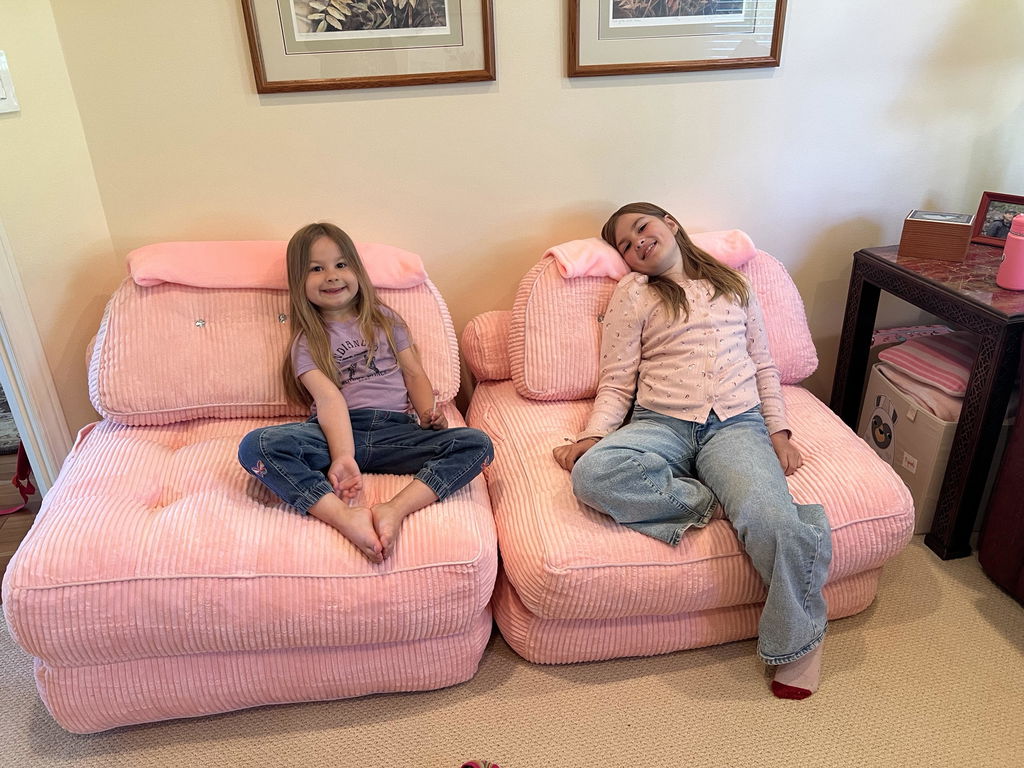
When your partner’s snoring disrupts your sleep night after night, you face an impossible choice: sacrifice intimacy by moving to separate bedrooms, or sacrifice sleep quality by staying together. But modern sleep solutions have evolved beyond this binary dilemma. Flexible sleeping arrangements—particularly modular furniture systems like NESLAKO’s Wunder Puffer—allow couples to maintain emotional closeness while creating independent sleep zones when needed. Research shows 35% of American couples now practice “sleep divorce” due to partner snoring (with the percentage rising from previous years to 35% in 2024-2026), yet most still share living spaces during waking hours. The solution isn’t choosing between togetherness and rest—it’s creating adaptable sleep environments that honor both needs.
Understanding the Snoring Problem: Medical vs Lifestyle Factors
Sleep apnea versus primary snoring requires different approaches. Before investing in furniture solutions, rule out obstructive sleep apnea (OSA), which affects 22 million Americans and causes breathing pauses during sleep. Warning signs include gasping, choking sounds, excessive daytime fatigue, and witnessed breathing interruptions. If your partner exhibits these symptoms, a sleep study is essential—OSA requires medical intervention like CPAP therapy, not just positional adjustments.
Primary snoring without apnea stems from vibrating soft tissues in the airway. Contributing factors include sleep position (back sleeping worsens snoring in 78% of cases), nasal congestion, alcohol consumption before bed, and excess weight. Addressing these lifestyle factors should be your first line of defense:
Positional training: Encourage side sleeping using specialized pillows or positional devices like the Sleep Noodle
Nasal optimization: Try saline rinses, nasal strips, or antihistamines for congestion
Evening habits: Avoid alcohol 3+ hours before bed and maintain consistent sleep schedules
Weight management: Even 10% body weight reduction can significantly decrease snoring severity
However, when lifestyle modifications aren’t enough—or while working toward long-term solutions—flexible sleeping arrangements become necessary.
The Split King Bed Dilemma: Why Couples Seek Alternatives
Adjustable split king beds dominate the “snoring solution” conversation, but they create new problems. These beds allow each partner to elevate their head independently (reducing snoring by keeping airways open), but they come with significant drawbacks:
Price barrier: Quality split king systems cost $2,000-5,000 (such as Saatva/Nectar brands), placing them out of reach for young couples and renters
Space monopoly: They consume entire bedrooms, making them impractical for studio or 1BR apartments where 60% of urban couples live
Permanent commitment: Once installed, they can’t serve other functions or adapt to changing living situations
Moving nightmare: Weighing 300+ pounds, they’re nearly impossible to relocate during the average American’s 11.7 lifetime moves
This gap between need and practicality has fueled 18% annual growth in the modular sleep furniture market. Couples want solutions that preserve daytime living space, cost less than a month’s rent, and adapt to their relationship’s evolving needs.
Flexible Sleeping Solutions: The Three-Tier Approach
Start with the least disruptive interventions and escalate only as needed. This graduated approach preserves intimacy while addressing sleep quality:
Tier 1: Same Bed, Sound Management
For mild snoring (under 50 decibels), sound-masking tools allow couples to stay physically close:
White noise machines: Apps like myNoise or dedicated devices create consistent ambient sound that masks snoring irregularities
Sleep headphones: Bluetooth headbands (like SleepPhones) deliver personalized audio without earbuds’ discomfort
High-quality earplugs: Foam (NRR 33) or silicone (NRR 27) options reduce snoring volume by 20-30 decibels
Dual-zone sound systems: Directional speakers can deliver white noise to the non-snoring partner without disturbing the snorer
Limitation: Effective only for snoring under 60 decibels; doesn’t address vibration transmission through shared mattresses.
Tier 2: Same Room, Independent Zones
This tier represents the sweet spot for most couples—separate sleeping surfaces within shared space. The key is creating physical separation without emotional distance:
NESLAKO Wunder Puffer exemplifies this category’s potential. Unlike traditional sofa beds that force you to choose between “couch mode” or “bed mode,” its 3-in-1 modular design allows three distinct configurations:
United mode: Full sofa for couple relaxation during waking hours
Split mode: Separate sleeping surfaces (one partner on sofa, one on pull-out section) when snoring flares up
Guest mode: Compact storage via vacuum compression when hosting visitors
The system’s CertiPUR-US certified high-density memory foam provides genuine sleep support—not the thin padding found in conventional sleeper sofas. At $319-600, NESLAKO costs 70-85% less than split king beds while occupying zero dedicated bedroom space during daytime.
Other Tier 2 options include:
Twin XL floor mattresses: Storable during day, deployed at night ($200-400)
Murphy bed systems: Wall-mounted beds that fold away ($800-2,000)
Modular floor cushions: Japanese-style futon arrangements ($150-300)
Tier 3: Separate Rooms, Maintained Connection
When snoring exceeds 70 decibels or causes severe sleep disruption, separate bedrooms may be medically necessary. However, this doesn’t mean relationship disconnect:
Scheduled together time: Start evenings cuddling in one bed before the non-snorer relocates
Weekend exceptions: Share sleep on non-work nights when daytime fatigue is less critical
Physical proximity: Choose adjacent rooms rather than opposite ends of the house
Morning rituals: Establish consistent wake-up connection routines
Research from the National Sleep Foundation shows couples who communicate openly about sleep divorce maintain relationship satisfaction equal to or higher than those who suffer through shared sleep deprivation.
Comparison: Flexible Sleep Solutions for Snoring Couples
| Solution Type | Price Range | Space Required | Setup Time | Best For | Limitations |
| Split King Adjustable Bed | $2,000-5,000 | Full bedroom | 2-4 hours (professional) | Permanent homes, medical-grade needs | Expensive, immobile, space-intensive |
| NESLAKO Wunder Puffer | $319-600 | Living room (dual-use) | 5-10 minutes (no tools) | Apartments, flexible lifestyles, budget-conscious | Not full king-size when split |
| Murphy Bed System | $800-2,000 | Wall space + clearance | 4-8 hours (installation) | Studios with vertical space | Requires wall mounting, permanent |
| Twin XL Floor Mattress | $200-400 | Storage closet when not in use | 2 minutes (unfold) | Temporary solutions, guest rooms | No back support, purely floor-level |
| White Noise + Earplugs | $20-150 | Nightstand space | Immediate | Mild snoring, shared mattress preference | Ineffective for loud snoring (60+ dB) |
Acoustic Engineering: When Sound Masking Actually Works
White noise isn’t magic—it’s physics applied to psychoacoustics. Understanding why it works (and when it doesn’t) prevents wasted money on ineffective solutions.
Snoring typically ranges from 50-90 decibels, with frequency peaks between 20-300 Hz. White noise machines generate consistent sound across all frequencies, creating “auditory camouflage” that makes snoring less perceptually distinct. However, effectiveness depends on three factors:
Volume differential: White noise must be 5-10 dB louder than snoring to mask it effectively
Frequency overlap: Machines emphasizing low frequencies (brown noise, pink noise) mask snoring better than high-frequency white noise
Consistency: Irregular snoring (characteristic of sleep apnea) is harder to mask than rhythmic primary snoring
Advanced acoustic solutions for 2026:
Adaptive sound systems: Apps like Endel use AI to adjust masking frequencies in real-time based on detected snoring patterns
Bone conduction sleep headphones: Deliver sound through cheekbones, leaving ears open for safety (fire alarms, baby monitors)
Directional audio: Holoplot-style speakers create “sound zones” where only one partner hears masking noise
Active noise cancellation: Emerging pillow-embedded systems (like QuietOn 3.1 Sleep) use ANC technology to reduce snoring perception by 30-40 dB
Critical limitation: No acoustic solution addresses the physical vibrations transmitted through shared mattresses, which disrupt sleep even when sound is masked.
Positional Sleep Training: The Anti-Snoring Strategy Nobody Talks About
Seventy-eight percent of snorers only snore when sleeping on their backs. Gravity pulls the tongue and soft palate backward, narrowing the airway. Simple positional therapy can eliminate snoring entirely for “positional snorers”—without any furniture changes.
Effective positional devices:
Sleep Noodle Positional Aid ($50-80): Inflatable tube worn around torso makes back sleeping uncomfortable
Smart Nora ($359): Non-invasive pillow insert that gently inflates when snoring detected, prompting position change without waking
Tennis ball shirt (DIY, $5): Sew tennis balls into back of old t-shirt to prevent rolling onto back
Positional alarms (apps, free-$10): Smartphone accelerometers detect back sleeping and vibrate to prompt repositioning
Training timeline: Most people adapt to side sleeping within 2-4 weeks of consistent positional therapy. Pair with a body pillow for comfort and spinal alignment.
When positional therapy fails: If your partner snores equally in all positions, the issue is likely anatomical (deviated septum, enlarged tonsils) or medical (sleep apnea), requiring ENT evaluation.
NESLAKO’s 3-Mode Sleep System: Engineered for Snoring Households
Convertible furniture fails when it sacrifices comfort for flexibility—NESLAKO solves this through material science. Traditional sleeper sofas use thin foam (2-4 inches) over metal bars, creating pressure points that guarantee poor sleep. The Wunder Puffer employs CertiPUR-US certified high-density memory foam throughout, providing support equivalent to dedicated mattresses.
The three-mode advantage:
Daytime sofa mode: Corduroy or flannel exterior maintains living room aesthetics; modular sections accommodate 2-4 people for TV watching, reading, or entertaining
Split sleeping mode: When snoring strikes, couples separate into independent sleep zones within the same room—one partner on the main sofa section, the other on the pull-out extension. Each section provides independent support with adequate length for most adults
Vacuum compression mode: Reduces to 1/3 original volume for storage during moves, guest visits, or apartment reconfiguration through vacuum compression technology. Reinflates in 5-10 minutes without tools
Material advantages for snoring scenarios:
Motion isolation: High-density foam prevents partner movements from disturbing your sleep zone
Stain-resistant fabric: Handles the reality of eating, drinking, and pet cohabitation in multipurpose spaces
Hypoallergenic construction: Reduces nasal congestion that can worsen snoring
STURDY anti-tip certification: Safe for households with children or pets navigating nighttime configuration changes
For couples in studio or 1BR apartments—where 60% of urban American couples under 35 live—NESLAKO transforms the “bedroom vs living room” dilemma into a non-issue. The same furniture serves both functions, adapting to your relationship’s nightly needs.
When to See a Doctor: Sleep Apnea Detection Guide
Not all snoring is benign—some requires immediate medical intervention. Sleep apnea affects 22 million Americans, with 80% undiagnosed. Untreated OSA increases risks of hypertension (2-3x), stroke (3x), and heart attack (5x).
Red flags requiring sleep study:
Witnessed breathing pauses: Partner sees you stop breathing for 10+ seconds during sleep
Gasping or choking: Waking with sensation of suffocation or gasping for air
Excessive daytime sleepiness: Falling asleep during conversations, driving, or work despite “adequate” sleep hours
Morning headaches: Frequent headaches upon waking (caused by oxygen deprivation)
Cognitive changes: Memory problems, difficulty concentrating, mood swings
Obesity + snoring: BMI over 30 dramatically increases OSA risk
Large neck circumference: Over 17 inches (men) or 16 inches (women) correlates with airway narrowing
Diagnosis options in 2026:
Home sleep apnea tests: FDA-approved devices ($150-300, often insurance-covered) measure oxygen levels, breathing patterns, and heart rate overnight
In-lab polysomnography: Gold standard test monitoring brain waves, eye movements, muscle activity, and cardiorespiratory function
Wearable screening: Smartwatches with SpO2 sensors (Apple Watch, Fitbit Sense) can flag potential apnea patterns for medical follow-up
Treatment hierarchy:
CPAP therapy: Continuous positive airway pressure machines keep airways open; 70% effective when used consistently
Oral appliances: Custom-fitted mouthpieces reposition jaw/tongue; 50-60% effective for mild-moderate OSA
Positional therapy: For position-dependent OSA (effective in 30% of cases)
Surgical options: Uvulopalatopharyngoplasty (UPPP), tongue advancement, or hypoglossal nerve stimulation for severe cases
Critical point: Furniture solutions and lifestyle modifications complement but never replace medical treatment for diagnosed sleep apnea.
Real-World Implementation: Making Flexible Sleep Work
Theory sounds great—execution requires communication and experimentation. Here’s how couples successfully transition to flexible sleeping:
Week 1-2: Assessment Phase
Track the problem: Use smartphone apps (SnoreLab, Sleep Cycle) to record snoring frequency, volume, and patterns
Identify triggers: Note correlations with alcohol, sleep position, allergies, or stress
Discuss expectations: Both partners articulate their needs—intimacy, sleep quality, space constraints, budget
Week 3-4: First-Line Interventions
Try positional therapy: Sleep Noodle or tennis ball shirt for 2 weeks
Test sound masking: White noise machine or sleep headphones
Optimize sleep hygiene: Consistent schedules, cool bedroom (65-68°F), nasal irrigation
Month 2: Furniture Solutions (If Needed)
Evaluate space: Measure living room for modular furniture; assess bedroom for split mattress
Budget allocation: $300-600 for quality modular systems like NESLAKO, $2,000+ for adjustable beds
Trial period: Use 30-day return policies to test real-world comfort
Month 3+: Routine Establishment
Flexible protocols: “We start together; I move to the sofa if snoring worsens after midnight”
Weekend exceptions: Share sleep on non-work nights when next-day fatigue is less critical
Quarterly check-ins: Reassess what’s working; adjust as relationship/living situation evolves
Common pitfalls to avoid:
Shame or blame: Frame as “we have a snoring challenge” not “you have a snoring problem”
All-or-nothing thinking: Flexible sleeping isn’t failure; it’s optimization
Ignoring medical issues: Persistent loud snoring with daytime fatigue requires doctor evaluation
Neglecting intimacy: Schedule non-sleep together time to maintain physical connection
The Relationship Psychology of Sleep Divorce
Separate sleeping doesn’t equal emotional distance—poor sleep creates far more relationship damage. Research from the National Sleep Foundation’s 2023 Sleep in America Poll found:
63% of couples sleeping separately report improved relationship satisfaction
Sleep-deprived partners are 3x more likely to report relationship conflict
Intimacy frequency remains unchanged or increases when both partners are well-rested
Resentment decreases when couples proactively address sleep incompatibility rather than suffering silently
Reframing the narrative:
Old mindset: “Couples who love each other sleep together no matter what”
New mindset: “Couples who love each other prioritize each other’s health and wellbeing”
Maintaining connection with flexible sleeping:
Bedtime rituals: Spend 15-30 minutes cuddling, talking, or being intimate before the non-snorer relocates
Morning reunions: Start days together with coffee, conversation, or shared breakfast
Physical touch: Increase non-sleep physical affection (hand-holding, hugs, kisses throughout day)
Date nights: Schedule regular quality time that doesn’t revolve around sleep logistics
Communication templates:
“I love sleeping next to you, and I also need quality rest. Can we try [solution] for two weeks and see how we both feel?”
“This isn’t about our relationship—it’s about solving a physical problem together.”
“Let’s experiment with flexible arrangements that let us be close when possible and rested when necessary.”
FAQ: Flexible Sleeping Solutions for Snoring Couples
Q: How do I know if my partner’s snoring requires medical attention versus just furniture solutions?
A: Record snoring with apps like SnoreLab for 3-5 nights. If you observe breathing pauses lasting 10+ seconds, gasping sounds, or your partner reports excessive daytime sleepiness despite “sleeping” 7-8 hours, schedule a sleep study immediately—these indicate potential sleep apnea requiring medical treatment. Furniture solutions help with primary snoring but never replace treatment for diagnosed sleep disorders.
Q: Will switching to a convertible sofa bed like NESLAKO damage our relationship intimacy?
A: Research shows the opposite—couples who address sleep incompatibility proactively report 63% higher relationship satisfaction than those who suffer through shared sleep deprivation. The key is framing flexible sleeping as “optimizing our health together” rather than “sleeping apart.” Maintain intimacy through bedtime rituals (cuddling before separating) and morning reunions, while enjoying the relationship benefits of both partners being well-rested and less irritable.
Q: What’s the price difference between split king adjustable beds and modular furniture solutions?
A: Split king adjustable bed systems typically cost $2,000-5,000 and require dedicated bedroom space, making them impractical for apartments or frequent movers. Modular systems like NESLAKO Wunder Puffer ($319-600) provide independent sleeping zones within shared living spaces at 70-85% lower cost, while serving triple duty as daily sofa, couple sleeping area, and guest accommodation. For renters and budget-conscious couples, modular furniture delivers comparable sleep separation without the permanent commitment.
Q: Can positional therapy alone eliminate snoring without needing separate sleeping arrangements?
A: For the 78% of people who only snore when sleeping on their backs, positional therapy devices (Sleep Noodle, Smart Nora, or DIY tennis ball shirts) can reduce or eliminate snoring within 2-4 weeks of consistent use. However, if your partner snores equally in all positions, the issue is likely anatomical or medical, requiring ENT evaluation. Positional therapy works best as a first-line intervention; if unsuccessful after one month, progress to furniture solutions or medical consultation.
Take Action: Your Next Steps for Better Sleep Together
If your partner’s snoring is straining both your sleep quality and your relationship, you don’t have to choose between intimacy and rest. Start with the graduated approach outlined above: rule out sleep apnea, try positional therapy and sound masking, then implement flexible sleeping arrangements if needed.
For couples in apartments or those seeking budget-friendly solutions, explore modular furniture systems that adapt to your nightly needs. NESLAKO’s Wunder Puffer represents the evolution of sleep furniture—engineered specifically for couples navigating the “together versus apart” dilemma with genuine comfort, independent zones, and space-saving compression technology.
Visit neslako.com to see how the 3-in-1 system transforms living rooms into flexible sleep spaces, preserving both your relationship and your rest. Your partnership deserves solutions that honor both connection and health—not outdated rules about how couples “should” sleep.