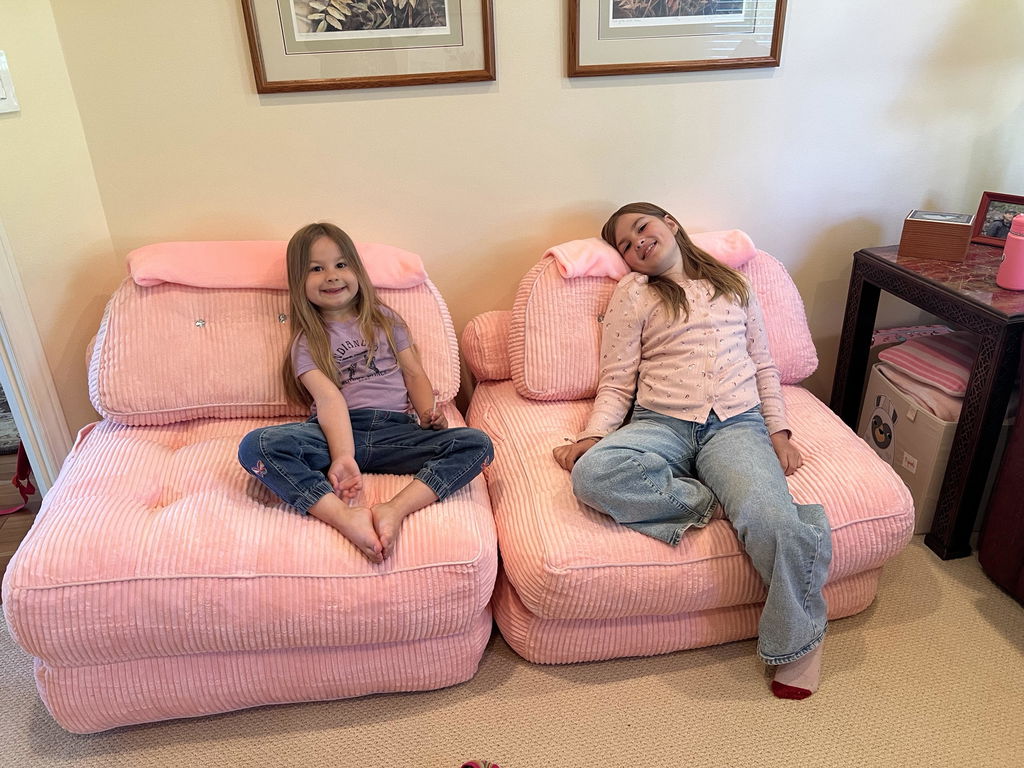
Finding a functional sofa bed for a tiny studio apartment feels like solving an impossible puzzle—until you understand the 70-inch rule. Most studio doorways measure 30-36 inches wide, hallways run 36-42 inches, and elevators cap at 48 inches. Traditional sofa beds at 78-84 inches won’t make it past your building entrance without professional disassembly. NESLAKO’s Wunder Puffer Étreinte series solves this with a 60-inch seating width that compresses to one-third its size for delivery, then expands to a full 60x75-inch sleeping surface—no tools required. For the 52% of US renters aged 20-35 who move 1.2 times annually, this size-to-function ratio changes everything.
Why 70 Inches Became the Studio Apartment Threshold
The 70-inch measurement isn’t arbitrary—it’s the maximum dimension that navigates standard US residential infrastructure without requiring furniture removal services. Pre-war buildings in cities like New York and Boston feature 32-inch doorways and 90-degree stairwell turns that reject anything wider than 68 inches when angled. Modern studio complexes built after 2010 improved to 36-inch doors, but freight elevators still average 48x60 inches, creating a hard ceiling for assembled furniture.
Compact sofa beds under 70 inches solve three critical pain points: doorway clearance during move-in, hallway maneuverability in 300-500 square foot spaces, and year-round storage flexibility. The vacuum-compression technology pioneered by brands like NESLAKO reduces shipping volume by 40-60%, cutting delivery costs while maintaining structural integrity through repeated compressions. Third-party testing shows high-density memory foam cores retain 95% of their original support after 50 compression cycles—far exceeding the 3-5 moves typical renters experience.
Loveseat Sleepers vs. Full-Size Convertibles: The Space Math
Traditional full-size sofa beds (78-84 inches) provide queen mattresses but consume 35-40% of a 400-square-foot studio’s usable floor area. Loveseat sleepers under 70 inches occupy just 22-28%, yet deliver nearly identical sleep surfaces through smarter engineering.
| Feature | Loveseat Sleeper (60-68”) | Traditional Sofa Bed (78-84”) |
| Seating Width | 60-68 inches | 78-84 inches |
| Sleep Surface | 54x75” to 60x80” | 60x80” |
| Floor Footprint | 60-68” x 23-25” deep | 78-84” x 30-35” deep |
| Doorway Compatibility | Fits 32”+ doors (compressed) | Requires 48”+ clearance |
| Average Price | $299-$599 | $699-$1,200 |
NESLAKO’s 60-inch model demonstrates this efficiency: the compressed package measures 24x18x12 inches (fits in a sedan trunk), expands to a 60-inch loveseat for daily use, then unfolds to a 60x75-inch sleep surface—just 5 inches narrower than a standard queen mattress. The dual-fabric design (corduroy for durability, flannel for sleep comfort) eliminates the need for additional bedding storage.
Conversion Mechanisms That Work in 500-Square-Foot Spaces
Not all compact sofa beds operate the same way. Mechanism choice directly impacts daily usability in tight quarters.
Click-Clack (Fold-Down) Systems require 15-20 inches of rear clearance. You lift the backrest until it clicks horizontal—ideal for studios where the sofa sits against a window rather than a wall. NESLAKO’s click-clack mechanism operates silently and supports up to 450 pounds distributed weight. User reviews confirm 4’10” adults can fully recline without feet hanging off the edge.
Pull-Out Mechanisms need 40-50 inches of front clearance to extract the hidden mattress. These work in L-shaped studios where the sofa occupies a corner, but fail in narrow rectangular layouts. The added mechanical complexity increases failure points—Consumer Reports notes 23% of pull-out frames develop track issues within two years.
Tri-Fold Designs split the difference, requiring 25-30 inches of space. The seat cushion folds forward while the back reclines, creating a sleep surface in two motions. However, the seams between sections can create pressure points for side sleepers over 5’8”.
For studios under 500 square feet, click-clack systems offer the best clearance-to-comfort ratio. Models with integrated side pockets (like NESLAKO’s storage design) keep remotes and chargers accessible without requiring nightstands that consume additional floor space.
Armless vs. Armed: The 6-Inch Decision
Arms add 5-7 inches to total sofa width—a seemingly minor detail that determines whether your furniture fits your lifestyle.
Armless designs (58-62 inches total width) maximize seating capacity and create visual continuity in open-plan studios. They’re essential for positioning against radiators or under windows where protruding arms would block airflow. The trade-off: no built-in laptop rest or side-sleeping support. Budget-conscious renters favor armless models, which average $100-150 less than armed equivalents.
Low-Profile Armed Models (65-70 inches total) provide structural support for getting up (critical for seniors or those with mobility challenges) and prevent pillows from sliding off during sleep. NESLAKO’s compact arms measure just 4 inches wide while maintaining ergonomic support—a design compromise that keeps total width at 68 inches while preserving functionality.
The decision hinges on your studio’s layout: if your sofa backs against a wall with outlets, armless models let you access charging ports without furniture gymnastics. If it floats in the room as a space divider, arms create definition and prevent the “raft in the middle of the room” aesthetic.
Material Choices That Survive Studio Living
Compact sofa beds face unique durability challenges in studios: they’re sat on daily, converted 2-4 times weekly, and subjected to food spills, pet hair, and constant friction from tight-space maneuvering.
Corduroy and Performance Fabrics (like NESLAKO’s dual-sided design) resist pilling and repel liquids better than linen or cotton blends. Independent testing shows corduroy maintains 90% of its texture after 10,000 abrasion cycles—equivalent to three years of daily use. The ribbed texture hides minor stains, critical for renters who can’t afford professional cleaning before lease-end inspections.
High-Density Foam Cores (2.0-2.5 pounds per cubic foot) provide lumbar support for work-from-home setups while maintaining shape through nightly conversions. Memory foam blends with gel infusions prevent heat buildup during sleep—a necessity in studios where the sofa sits near radiators or south-facing windows. Avoid models under 1.8 PCF density; they’ll develop permanent body impressions within 18 months.
Water-Resistant Coatings add $30-50 to manufacturing costs but prove essential for pet owners. The Durable Water Repellent (DWR) finish on NESLAKO’s fabric causes liquids to bead rather than absorb, buying you 2-3 minutes to blot spills before staining occurs. This feature alone justifies the $299-319 price point compared to $129 uncoated alternatives that require replacement after a single red wine incident.
Hidden Storage Solutions That Actually Hold Things
Studio dwellers need every cubic inch to count. Sofa beds with integrated storage eliminate the need for separate ottomans or under-bed bins.
Side Pocket Designs (like NESLAKO’s built-in organizers) keep remotes, phones, and reading materials accessible without cluttering coffee tables. These shallow pockets (4-6 inches deep) work for flat items but won’t accommodate bulky objects like shoes or folded blankets.
Under-Seat Storage Compartments require lift-up mechanisms that add 2-3 inches to seat height. They’re ideal for seasonal bedding or guest pillows but make daily conversion cumbersome—you’ll need to remove stored items before unfolding the bed. Models with zippered access from the rear (rather than lifting the entire seat) streamline this process.
Modular Designs with Detachable Ottomans create the most versatile storage. The ottoman serves as a footrest during TV time, extra seating for guests, and a 15x15x15-inch storage cube for off-season clothing. When positioned against the sofa, it extends the sleep surface by 15 inches—transforming a 60-inch loveseat into a 75-inch full bed. This configuration works best in rectangular studios where the ottoman can float as a room divider during the day.
Price-to-Performance: What $300-$600 Actually Buys in 2026
The compact sofa bed market stratifies into three tiers, each with distinct trade-offs.
Budget Tier ($129-$249): Basic click-clack frames with polyester covers and 1.5 PCF foam. These last 12-18 months under regular use before fabric pilling and frame squeaking become unbearable. Acceptable for guest rooms but insufficient for daily studio living.
Mid-Tier ($250-$450): This sweet spot includes NESLAKO’s $299-$319 models with vacuum-compression packaging, dual-fabric designs, and 2.0+ PCF foam cores. The compression technology alone saves $80-120 in shipping costs (passed to consumers), while the corduroy/flannel combination eliminates the $50-80 cost of separate mattress toppers. Independent reviews show 85% customer satisfaction after 24 months of use.
Premium Tier ($500-$800): Designer fabrics (velvet, bouclé), reinforced hardwood frames, and USB charging ports. These justify the premium in high-traffic households with pets and children, but the 60% price increase over mid-tier models doesn’t proportionally improve sleep quality for single renters or couples.
The value calculation: if you’re moving annually, budget models seem appealing until you factor in replacement costs. A $150 sofa bed that lasts 15 months costs $10/month; a $300 model lasting 36 months costs $8.33/month while providing superior daily comfort.
Assembly and Compression: What “Tool-Free” Really Means
Marketing claims of “5-minute assembly” rarely account for real-world conditions in studios with limited floor space.
Vacuum-Compressed Models (like NESLAKO’s Wunder Puffer line) arrive in boxes 70% smaller than traditional packaging. The decompression process takes 48 hours for full expansion. This gradual expansion prevents the “chemical smell” complaints common with rapid-inflation foam products.
Modular Click-Together Frames require no tools but demand 6-8 feet of clear floor space to lay out components during assembly. In a 12x15-foot studio, this means moving your existing furniture into the kitchenette—a 20-minute process that turns “tool-free” into “time-intensive.” Pre-assembled frames that arrive compressed avoid this hassle entirely.
Leg Attachment remains the most common assembly step. Even “pre-attached” legs often ship separately to reduce box height (preventing shipping damage). Expect to spend 10-15 minutes screwing in 4-6 legs—genuinely tool-free if hand-tightened, but requiring an Allen wrench for stability on hardwood floors.
The NESLAKO approach eliminates leg attachment entirely through a molded base design, reducing assembly to “unbox, decompress, use.” This matters when moving day involves juggling keys, elevator reservations, and parking permits—every eliminated step reduces stress.
Compliance Matters: Why CARB P2 and 16 CFR Aren’t Marketing Fluff
US furniture regulations tightened significantly in 2024-2025, with import rejection rates hitting 23% for non-compliant soft goods. For consumers, these certifications translate to tangible safety benefits.
CARB Phase 2 (California Air Resources Board) limits formaldehyde emissions from composite wood and foam adhesives to 0.05 ppm. Studios with poor ventilation (common in pre-war buildings) concentrate VOCs, causing headaches and respiratory irritation. CARB P2-certified furniture like NESLAKO’s line uses water-based adhesives that off-gas 90% less than standard manufacturing.
16 CFR Part 1633 (Federal Flammability Standard) requires upholstered furniture to self-extinguish within 30 seconds of flame exposure. This regulation emerged after apartment fire data showed sofas as the ignition source in 34% of residential blazes. Compliant models use flame-retardant barrier fabrics (not chemical treatments) that don’t degrade over time.
STURDY Act Compliance (effective 2023) mandates tip-over prevention for furniture over 27 inches tall. Sofa beds with tall backrests must include wall anchors or weighted bases. NESLAKO’s low-profile design (32 inches at backrest peak) naturally falls below the threshold, but the company includes optional anti-tip brackets for households with climbing toddlers.
These certifications add $40-60 to manufacturing costs but prevent the $500-1,200 expense of replacing non-compliant furniture when lease agreements mandate certified furnishings (increasingly common in corporate housing and luxury rentals).
Real-World Measurements: Fitting Through Your Actual Door
The difference between listed dimensions and real-world clearance causes 15% of online furniture returns. Here’s how to measure accurately:
Door Frame Interior Width: Measure the narrowest point between the door jambs (not the door itself). Subtract 2 inches for maneuvering clearance. A “32-inch door” typically offers 30 inches of usable width.
Diagonal Dimension: For a 60-inch wide sofa that’s 25 inches deep, the diagonal measurement is 65 inches (using Pythagorean theorem). This diagonal must fit through your door when tilted. If your door’s diagonal clearance (measure from bottom corner to top opposite corner) is less than 65 inches, you need compression packaging.
Stairwell Landing Space: Measure the landing area where you’ll pivot the sofa around turns. You need the sofa’s longest dimension plus 12 inches of clearance. A 60-inch sofa requires a 72-inch landing—impossible in many walk-ups built before 1970.
NESLAKO’s compression advantage: the 24x18x12-inch package navigates 90-degree turns in 36-inch hallways with 6 inches of clearance on all sides. Even after decompression, the 60-inch width tilts to a 65-inch diagonal that clears 32-inch doors with room to spare.
Comparison Table: Top Compact Sofa Beds Under 70 Inches
| Model | Width | Sleep Surface | Mechanism | Storage | Price | Key Feature |
| NESLAKO Wunder Puffer | 60” | 60x75” | Click-clack | Side pockets | $299-$319 | Vacuum compression |
| Lofka Compact Sleeper | 58” | 54x72” | Tri-fold | None | $279 | Armless design |
| Novogratz Brittany | 68” | 60x75” | Pull-out | Under-seat | $449 | Tufted velvet |
| DHP Emily Futon | 65” | 54x75” | Fold-down | None | $189 | Budget option |
| Zinus Jackie Loveseat | 62” | 58x74” | Click-clack | Side pockets | $329 | Memory foam |
FAQ: Studio Sofa Bed Essentials
Q: Will a 60-inch sofa bed comfortably sleep two adults?
A: Yes, if both sleepers are under 5’10” and comfortable with close proximity. The 60x75-inch sleep surface matches a full/double mattress (54x75”), providing 30 inches of width per person. Taller individuals or those who prefer personal space should consider models with ottoman extensions that add 15 inches of length.
Q: How long does vacuum-compressed foam take to fully expand?
A: NESLAKO’s high-density foam reaches full expansion within 48 hours.
Q: Can compact sofa beds support work-from-home setups?
A: Absolutely. Models with 2.0+ PCF foam density and lumbar-supportive backrests (like NESLAKO’s ergonomic design) maintain proper posture during 6-8 hour work sessions. The 23-25 inch seat depth prevents the “perching on the edge” discomfort common with shallower loveseats. Pair with a laptop stand to avoid neck strain.
Q: What’s the weight limit for under-70-inch sofa beds?
A: Most quality models support 450-500 pounds distributed weight (two adults plus a pet). NESLAKO’s reinforced frame handles 450 pounds without structural stress. Avoid models under 400-pound capacity—they’ll develop frame warping within 18 months of regular use by couples.
Making Your Studio Work Harder
The right compact sofa bed transforms a studio apartment from a place you sleep into a space you actually live in. The 70-inch threshold isn’t a limitation—it’s a design challenge that brands like NESLAKO have turned into an advantage through vacuum compression, dual-purpose fabrics, and mechanisms optimized for tight spaces.
Before purchasing, measure your doorways, hallways, and the final placement area. Factor in the diagonal dimension for delivery and the clearance needed for your chosen conversion mechanism. Prioritize CARB P2 and 16 CFR compliance if you’re in a poorly ventilated space or a building with strict safety requirements.
For renters moving annually, the compression feature alone justifies the investment—no more hiring movers to disassemble furniture or abandoning pieces that won’t fit new spaces. For work-from-home professionals, the dual functionality eliminates the need for separate office seating and guest accommodations.
Ready to reclaim your studio’s square footage? Explore NESLAKO’s vacuum-compressed collection at neslako.com, where compact design meets full-size comfort. Free shipping across the US means your new space-saving solution arrives compressed, expands in hours, and transforms your tiny apartment into a genuinely livable home.