Sleep disruption from a snoring partner affects millions of relationships across the United States. While over 35% of Americans opt for ‘sleep divorce’ due to snoring partners, separating into different bedrooms can strain intimacy and emotional connection. The challenge isn’t just about getting rest—it’s about finding flexible sleeping solutions that address snoring without sacrificing togetherness.
Understanding the Real Impact of Partner Snoring
Snoring creates a cascade of sleep quality issues that extend beyond simple noise disturbance. When one partner snores, the other experiences frequent sleep interruptions, leading to daytime fatigue, irritability, and reduced cognitive function. Studies show that partners of snorers lose an average of 2-3 hours of quality sleep per night, equivalent to chronic sleep deprivation.
The emotional toll compounds the physical exhaustion. Resentment builds when one partner feels their sleep needs are ignored, while the snoring partner may feel guilty or defensive. This dynamic creates tension that seeps into daily interactions, affecting communication, patience, and overall relationship satisfaction.
Traditional solutions often force an uncomfortable choice: sacrifice sleep quality or sacrifice closeness. Separate bedrooms solve the noise problem but create emotional distance. Split king adjustable beds with anti-snore presets cost $2000-4000+, placing them out of reach for many couples, especially those in apartments or smaller homes where space and budget constraints are real concerns.
Why Conventional Approaches Fall Short
Earplugs and white noise machines provide minimal relief for moderate to severe snoring. These solutions mask sound rather than address the root cause, and many people find earplugs uncomfortable for extended wear. White noise machines work for some, but when snoring reaches 60+ decibels—comparable to normal conversation volume—even ambient sound becomes insufficient.
Anti-snore pillows and positional therapy devices show limited effectiveness. While elevating the head can reduce snoring for some individuals, standard pillows lack the stability and adjustability needed for consistent results. The snoring partner must maintain a specific position throughout the night, which proves difficult during natural sleep movements.
Separate bedrooms represent the nuclear option that many couples resist. Beyond the obvious intimacy concerns, this solution requires extra space that apartments and smaller homes simply don’t offer. For couples who value falling asleep together and waking up side by side, permanent bedroom separation feels like admitting defeat rather than finding a workable compromise.
The Multi-Functional Furniture Revolution
Modern space-efficient solutions are transforming how couples approach the snoring dilemma. Instead of choosing between expensive adjustable beds or relationship-straining separate rooms, innovative furniture designs now offer flexible sleeping arrangements that adapt to changing needs throughout the night and across different life situations.
The concept centers on furniture that serves multiple purposes: comfortable daytime seating that converts into a proper sleeping surface when needed. This approach provides the option for temporary separation on particularly difficult nights while maintaining the shared bedroom as the primary sleep space. The psychological difference is significant—choosing to use a comfortable alternative occasionally feels empowering rather than isolating.
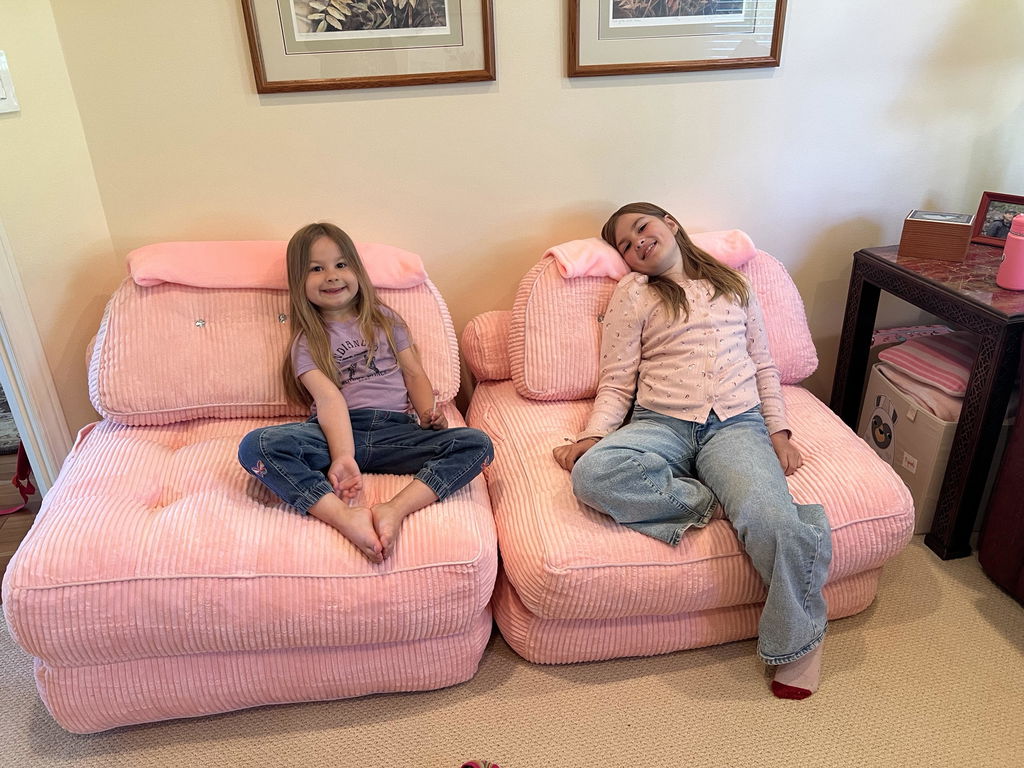
NESLAKO’s Wunder puffer Sofa Bed exemplifies this new category of relationship-saving furniture. Priced at $179 for the single-seat Pink version, $189 for Black, and $219 for Marshmallow, it costs a fraction of split adjustable beds while offering genuine sleep quality. The 3-in-1 design functions as a stylish sofa, a supportive bed, and modular sofa combinations that can be created by combining multiple units.
Why Flannel Fabric Makes a Difference for Sleep Quality
The material science behind quality sleep surfaces extends beyond simple softness. Flannel fabric, particularly the brushed variety used in premium sleep furniture, creates a microclimate that supports uninterrupted rest. The fine nap structure traps air molecules, forming a natural insulation layer that maintains stable body temperature without the stuffiness of heavy blankets.
This temperature regulation directly impacts sleep continuity. When body temperature fluctuates during the night, the brain receives signals that can trigger partial awakenings. Flannel’s ability to absorb moisture while remaining breathable prevents the clammy sensation that causes restless tossing and turning. For the partner seeking refuge from snoring noise, this means fewer additional disruptions once they’ve relocated to an alternative sleep surface.
The tactile comfort of flannel provides immediate psychological relaxation. The soft, enveloping texture sends calming signals to the nervous system, helping to counteract the stress and frustration that builds from sleep deprivation. This “being held” sensation mimics the security of weighted blankets without the actual weight, making it easier to fall asleep even when emotionally wound up from another disrupted night.
The Wunder puffer’s 3D corduroy surface combined with high-memory foam filling creates a sleep experience comparable to premium mattresses. Users report that the ergonomic lumbar pillow design and supportive structure prevent the head congestion and oxygen deprivation that can occur with poor neck positioning during extended lounging or sleeping sessions.
Creating Flexible Sleeping Arrangements Without Permanent Separation
The key to maintaining relationship intimacy while addressing snoring lies in optionality rather than rigid solutions. Couples need the freedom to make night-by-night decisions based on actual sleep quality rather than committing to permanent separate sleeping arrangements. This flexibility reduces guilt and resentment on both sides—the snorer doesn’t feel banished, and the sleep-deprived partner doesn’t feel trapped.
A dedicated, comfortable alternative sleeping surface in a shared living space provides this flexibility. Unlike a guest room that feels like exile, a high-quality sofa bed in the living room or home office offers a legitimate choice that doesn’t carry emotional baggage. The partner who relocates can still maintain evening routines together, going to bed at the same time before one person moves to the alternative surface if snoring becomes disruptive.
NESLAKO’s modular approach allows couples to scale their solution as needs evolve. The Wunder puffer Étreinte Series 2 Seater Sofa Bed starts at $319, offering a naproom-quality bed that two people can share when needed—perfect for nights when both want to watch late-night movies before sleeping, or when one partner is recovering from illness and needs different sleeping conditions. The Grande Series 3 Seater Sofa Bed at $459+ accommodates families with children who occasionally need to sleep near parents.
This modular flexibility addresses a reality that traditional furniture ignores: sleeping needs change. A couple might need separate surfaces during allergy season when snoring worsens, but prefer sleeping together the rest of the year. Parents might need extra sleeping space when children have nightmares or during illness. The ability to configure and reconfigure furniture to match current needs provides long-term value that single-purpose beds cannot match.
Practical Advantages Over Traditional Sofa Beds
Conventional portable sofa beds suffer from a critical structural flaw: lack of proper support framework. Without rigid support, these beds collapse under body weight, creating a hammock effect that strains the back and neck. The sagging worsens over time as foam compresses unevenly, leading to permanent deformation that makes the furniture uncomfortable for both sitting and sleeping.
The Wunder puffer’s engineered support system maintains shape integrity regardless of user weight or sleeping position. The high-density memory foam filling distributes pressure evenly, preventing the valley formation that plagues cheaper alternatives. This structural stability means the furniture remains comfortable and attractive even after years of regular use—a crucial consideration for couples who need their alternative sleeping surface to function reliably over the long term.
Maintenance simplicity matters for busy couples dealing with sleep deprivation stress. While the Wunder puffer’s cover isn’t removable for machine washing, it supports handheld cleaning solutions and wipes clean easily. The flannel fabric naturally resists staining and doesn’t show wear patterns as quickly as smooth synthetic materials. This practical durability means less time worrying about furniture maintenance and more energy available for addressing the underlying snoring issues.
The 2-3 day delivery timeframe reduces the barrier to trying this solution. Unlike custom furniture that requires weeks of waiting, couples can order a Wunder puffer and have it in their home within days. This quick turnaround lowers both the financial and time investment risk—if the solution doesn’t work perfectly, the relatively modest cost and rapid delivery mean the trial-and-error process doesn’t become a major source of additional stress.
Building a Comprehensive Sleep Strategy
Flexible sleeping furniture works best as part of a holistic approach to managing partner snoring. Lifestyle modifications—reducing alcohol consumption before bed, maintaining healthy weight, treating allergies—can reduce snoring severity. Positional therapy, where the snoring partner sleeps on their side rather than their back, helps many people. The Wunder puffer’s supportive structure actually facilitates side sleeping through proper spinal alignment.
For couples where snoring indicates potential sleep apnea—characterized by breathing pauses, gasping, or excessive daytime sleepiness—medical consultation remains essential. A sleep study can diagnose underlying conditions that require CPAP therapy or other medical interventions. Having a comfortable alternative sleeping surface doesn’t replace medical treatment but provides immediate relief while pursuing longer-term solutions.
The psychological benefit of having options cannot be overstated. Knowing that a comfortable alternative exists reduces the anxiety that builds throughout the day when dreading another sleepless night. This reduced stress actually improves overall sleep quality for both partners—the non-snorer sleeps better knowing they have an escape route, while the snorer sleeps better without the pressure of feeling responsible for their partner’s misery.
Making the Investment in Sleep Quality and Relationship Health
Sleep deprivation damages relationships in measurable ways. Couples who consistently get poor sleep report higher conflict rates, reduced empathy, and decreased relationship satisfaction. The financial cost of chronic sleep loss—reduced work productivity, increased healthcare needs, higher accident risk—far exceeds the investment in quality sleep solutions.
At $179 for a single Wunder puffer unit that includes a $58 value single blanket, the cost-benefit calculation strongly favors trying this flexible solution. Compared to $2000+ adjustable beds or the emotional cost of permanent separate bedrooms, a multi-functional sofa bed represents a low-risk experiment that could significantly improve both sleep quality and relationship dynamics.
For couples in apartments or smaller homes, the space efficiency provides additional value. The furniture serves daily needs as attractive, comfortable seating while standing ready to provide a proper sleeping surface when required. This dual functionality means no wasted space on furniture that sits empty most of the time—a crucial consideration in urban living environments where every square foot matters.
The ability to start with a single unit and expand to a two-seater ($319) or three-seater ($459+) configuration as needs change provides financial flexibility. Couples can test the concept with a modest initial investment before committing to a larger setup. This scalable approach respects budget constraints while still offering a genuine solution to the snoring partner dilemma.
Conclusion: Choosing Togetherness and Rest
The snoring partner challenge doesn’t require choosing between sleep quality and relationship intimacy. Modern flexible sleeping solutions like the NESLAKO Wunder puffer Sofa Bed provide the middle ground that couples need—the option to sleep separately when necessary while maintaining the shared bedroom as the primary sleep space and emotional center of the relationship.
By investing in furniture that adapts to changing needs rather than forcing permanent lifestyle changes, couples preserve both their rest and their connection. The combination of comfort, affordability, and flexibility makes this approach accessible to the millions of American couples currently struggling with the snoring dilemma. Quality sleep and a strong relationship aren’t mutually exclusive—they’re both achievable with the right tools and mindset.