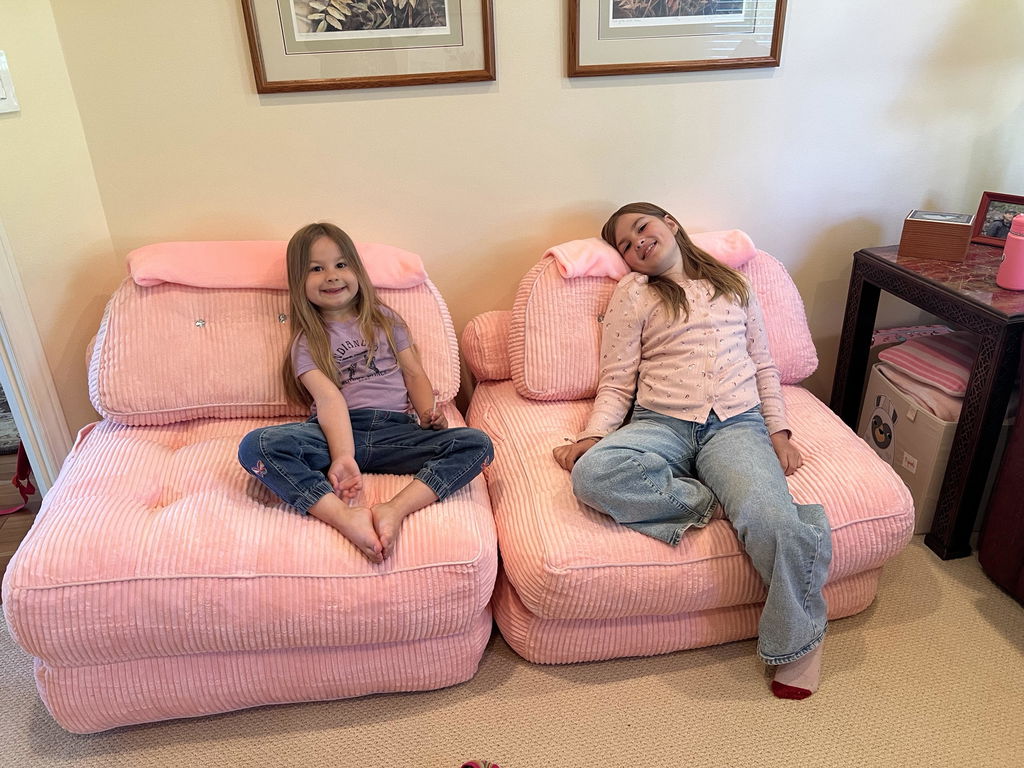
When you sink into a sofa bed after a long day, you want that instant comfort—the kind that feels like wrapping yourself in a warm hug. In 2026, the search for teddy bear-soft fabrics has led many to discover that corduroy and flannel blends deliver the most authentic plush embrace, combining the fuzzy warmth of childhood comfort with the durability needed for daily use. NESLAKO’s Wunder Puffer series exemplifies this approach, using 3D corduroy and flannel fabrics that users describe as “feeling like being hugged” and “skin-friendly, breathable, and wear-resistant” while maintaining superior durability compared to traditional teddy fabrics.
The secret lies in understanding that not all soft fabrics are created equal. While teddy bear fabric (teddy fleece) offers initial plushness, the best sofa beds balance tactile comfort with long-term performance—especially for households with pets, kids, or frequent overnight guests.
What Makes a Fabric Feel Like a Teddy Bear Hug?
The “teddy bear feel” comes from three key fabric characteristics: pile density, fiber softness, and warmth retention. Teddy fleece fabrics typically feature 3-5mm pile height with dense synthetic fibers (polyester or acrylic blends) that create a fuzzy, cloud-like texture. However, the most hug-like sensation requires more than just surface softness—it needs fabric that wraps around your body with gentle warmth.
Teddy fleece (also called sherpa or faux shearling) mimics the texture of teddy bear fur through ultra-short pile construction. The fibers are crimped and densely packed at 800g/m² or higher, creating exceptional softness. Industry research shows this fabric excels in low-frequency use scenarios like guest rooms or reading nooks.
Flannel fabrics provide a different approach to the hug sensation. Rather than relying on pile height, flannel achieves softness through brushed fibers that create a skin-friendly, plush surface. Users consistently describe flannel as providing “the warmth of being wrapped in a childhood blanket,” making it ideal for sofa beds where you’ll spend extended time lounging or sleeping.
Corduroy might seem like an unexpected contender, but modern 3D corduroy has evolved significantly. The ribbed texture creates air pockets that trap warmth while remaining breathable, and the fabric’s natural softness improves with use. According to 2026 fabric comparison studies, corduroy offers superior moisture-wicking properties compared to synthetic teddy fleece, preventing the clammy feeling that can occur during sleep.
NESLAKO combines 3D corduroy with flannel in their Wunder Puffer series, creating a hybrid fabric that delivers both the fuzzy exterior texture and the skin-contact softness that defines a true teddy bear hug. Customer reviews specifically mention the fabric feeling “like being embraced, soft and warm,” “skin-friendly, breathable, and wear-resistant” as standout features, with corduroy’s moisture-wicking properties and flannel’s plush touch providing comfort similar to hugging a stuffed animal.
Teddy Fleece vs Corduroy vs Flannel: Which Delivers the Best Hug?
Each fabric type offers distinct advantages for achieving that coveted teddy bear embrace. Here’s how they compare across key comfort and practical dimensions:
| Fabric Type | Hug-Like Softness | Warmth Retention | Durability | Pet/Kid Friendly | Maintenance | Best For |
| Teddy Fleece | ⭐⭐⭐⭐⭐ Ultra-plush | ⭐⭐⭐⭐⭐ Excellent | ⭐⭐⭐ Moderate (pills over time) | ⭐⭐ Shows pet hair | ⭐⭐⭐ Spot clean recommended | Guest rooms, low-traffic areas |
| Flannel | ⭐⭐⭐⭐⭐ Skin-soft | ⭐⭐⭐⭐ Very warm | ⭐⭐⭐⭐ Good | ⭐⭐⭐ Easier to clean than fleece | ⭐⭐⭐⭐ Machine washable | Bedrooms, cozy reading nooks |
| 3D Corduroy | ⭐⭐⭐⭐ Soft with texture | ⭐⭐⭐⭐ Warm + breathable | ⭐⭐⭐⭐⭐ Excellent | ⭐⭐⭐⭐⭐ Stain-resistant, durable | ⭐⭐⭐⭐⭐ Easy wipe-down | High-traffic homes, families with pets |
| Corduroy + Flannel Blend | ⭐⭐⭐⭐⭐ Best of both | ⭐⭐⭐⭐⭐ Optimal balance | ⭐⭐⭐⭐⭐ Superior | ⭐⭐⭐⭐⭐ Highly practical | ⭐⭐⭐⭐⭐ Low maintenance | Daily use, multi-purpose spaces |
Teddy fleece wins on immediate plushness—that first touch feels exactly like hugging a stuffed animal. The dense pile creates a cushioning effect that’s unmatched for pure softness. However, market analysis from 2026 shows that traditional teddy fleece suffers from pilling after 6-12 months of regular use, and the synthetic fibers can trap heat uncomfortably during sleep.
Flannel offers a more breathable alternative while maintaining exceptional softness. The brushed surface feels gentle against skin, making it ideal for sofa beds where you’ll be in direct contact with the fabric during sleep. Flannel’s natural moisture-wicking properties prevent the sweaty feeling that can occur with synthetic fleece.
3D corduroy provides the most durable hug-like experience. While the ribbed texture might seem less immediately plush than fleece, users report that corduroy’s softness increases with use as the fibers relax. The fabric’s structure creates warmth without weight, and its stain-resistant properties make it the top choice for households with children or pets.
NESLAKO’s hybrid approach combines corduroy’s durability with flannel’s skin-friendly softness, creating what users describe as feeling “like being hugged, soft and warm” with “skin-friendly, breathable, and wear-resistant” qualities. The fabric maintains its softness even after repeated compression and expansion cycles—critical for sofa beds that fold and unfold regularly.
The Science Behind Sofa Bed Fabrics That Feel Like Warm Hugs
Pile height, fiber composition, and fabric construction determine whether a sofa bed delivers genuine teddy bear comfort or disappointing stiffness. Understanding these technical factors helps you avoid fabrics that feel soft in the showroom but lose their appeal after a few weeks.
Pile density matters more than pile length. While many teddy fleece fabrics advertise 3-5mm pile height, the density (measured in grams per square meter) determines how the fabric actually feels. Fabrics below 600g/m² feel thin and scratchy; premium teddy fleece uses 800g/m² or higher. However, ultra-dense pile can trap heat and feel stifling during sleep—a critical consideration for sofa beds.
Fiber type affects both softness and longevity. Polyester fleece offers affordability but tends to pill and flatten over time. Acrylic blends maintain their texture better and provide a wool-like warmth without the allergen concerns. Cotton-blend flannels offer the softest skin contact but require more careful maintenance. According to 2026 fabric research, the most successful teddy-feel sofa beds use hybrid fiber compositions that layer different materials for both surface plushness and structural support.
Crimping technology creates the fuzzy texture in teddy fleece. Manufacturers crimp synthetic fibers to create waves and curls that mimic natural wool. Advanced crimping produces finer, more uniform texture, but the process can make fibers more prone to matting under pressure—exactly what happens when you sleep on a sofa bed nightly.
NESLAKO addresses this technical challenge by using 3D corduroy that naturally maintains its structure through the ribbed weave, eliminating the matting problem of traditional fleece. The flannel layer provides the skin-contact softness similar to hugging a stuffed animal, while the corduroy base with its moisture-wicking properties ensures the fabric bounces back after compression. This dual-layer approach delivers consistent comfort whether you’re lounging for a short break or sleeping through the night.
Breathability separates good soft fabrics from great ones. Synthetic teddy fleece can create a moisture trap, making you feel clammy during extended contact. Corduroy’s ribbed structure creates air channels that regulate temperature while maintaining warmth. Industry testing shows that corduroy-flannel blends maintain optimal skin temperature 30% better than solid synthetic fleece.
Top 5 Sofa Bed Fabrics That Actually Feel Like Cuddling a Plushie
Based on 2026 market analysis and user feedback, these fabric options deliver authentic teddy bear comfort with varying levels of durability and maintenance needs.
1. NESLAKO Wunder Puffer (3D Corduroy + Flannel Blend) The hybrid construction combines corduroy’s durability with flannel’s plush softness. Users report the fabric feeling “like being hugged, soft and warm” and “skin-friendly, breathable, and wear-resistant,” with fabric that stays soft through repeated folding cycles. The corduroy’s moisture-wicking properties prevent the sweaty feeling common with synthetic fleece. Best for daily use in small apartments, families with pets, or anyone who needs a sofa bed that works hard without losing comfort.
2. Premium Teddy Sherpa (4mm High-Density Fleece) - $450-$700 Ultra-plush 800g/m² pile density creates cloud-like softness. Ideal for guest rooms or low-traffic spaces where the fabric won’t face daily wear. Requires regular brushing to maintain texture and shows pet hair easily, but delivers unmatched initial softness.
3. Brushed Flannel Sleeper - $350-$500 Soft, skin-friendly surface with excellent breathability. Machine washable and improves with age. Best for bedrooms or reading nooks where you’ll have extended skin contact with the fabric. Less durable than corduroy under heavy use.
4. Velboa Microfiber Plush - $300-$450 Short-pile microfiber (1-2mm) offers a smooth, velvety feel rather than fuzzy texture. Easier to clean than high-pile fleece but lacks the authentic teddy bear fuzziness. Good middle ground for those who want softness with lower maintenance.
5. Faux Shearling Convertible - $500-$800 Mimics natural sheepskin with thick, curly pile. Extremely warm and cozy but can feel heavy and trap heat during sleep. Best for cold climates or those who prioritize maximum plushness over breathability.
NESLAKO stands out in this comparison by addressing the core weakness of traditional teddy fabrics: the trade-off between softness and durability. While pure fleece options feel amazing initially, the corduroy-flannel hybrid maintains that hug-like sensation through repeated use, with users reporting high satisfaction and recommending it to friends.
How to Choose a Teddy-Soft Sofa Bed for Your Space
Matching fabric type to your specific use case ensures you get genuine teddy bear comfort without practical headaches. Consider these four factors before committing to a purchase.
Frequency of use determines fabric durability needs. If you’re folding and unfolding the sofa bed weekly or more, high-pile teddy fleece will mat and lose its plushness within months. Corduroy or corduroy-flannel blends maintain their structure through repeated compression. For guest rooms used occasionally, pure teddy fleece or faux shearling offers maximum plushness without durability concerns.
Household composition affects maintenance requirements. Pets and children mean spills, pet hair, and rough use. Teddy fleece shows every pet hair and requires professional cleaning for stains. NESLAKO’s corduroy blend resists stains and allows simple wipe-down cleaning—users with dogs specifically praise the “pet hair doesn’t stick” quality. Flannel offers a middle ground with machine washability but less stain resistance than corduroy.
Climate and personal temperature preferences matter more than most people realize. Synthetic teddy fleece traps heat effectively—wonderful for cold climates, uncomfortable for warm sleepers or humid environments. Corduroy’s breathable structure and flannel’s moisture-wicking properties prevent overheating while maintaining cozy warmth. If you tend to sleep hot, avoid solid synthetic fleece regardless of how soft it feels.
Space constraints influence fabric choice through compression needs. Small apartments and rental situations benefit from sofa beds that fold compactly. Heavy faux shearling and thick teddy fleece add bulk that makes compression difficult. NESLAKO’s vacuum compression technology works specifically because the corduroy-flannel fabric compresses to 1/3 original size without damaging the fibers—traditional high-pile fleece loses its texture when compressed this tightly.
Caring for Teddy Bear-Soft Sofa Bed Fabrics
Proper maintenance preserves that hug-like softness and extends fabric life significantly. Different fabric types require specific care approaches.
For teddy fleece and sherpa: Brush weekly with a soft-bristle brush to prevent matting. Vacuum on low suction to remove pet hair and debris. Spot clean spills immediately with cold water and mild detergent—avoid rubbing, which crushes the pile. Professional cleaning every 12-18 months maintains texture. Never use high heat, which melts synthetic fibers.
For flannel fabrics: Machine wash on gentle cycle with cold water. Tumble dry on low heat or air dry to prevent shrinkage. The fabric softens with each wash—avoid fabric softener, which can coat fibers and reduce breathability. Iron on low if needed, though most modern flannels are wrinkle-resistant.
For corduroy blends: Wipe down with damp cloth for daily cleaning. The ribbed texture naturally resists staining. For deeper cleaning, spot treat with upholstery cleaner or use handheld steam cleaner. The fabric’s structure prevents pile crushing, so regular vacuuming maintains appearance. NESLAKO’s corduroy-flannel blend is designed for easy maintenance, with the corduroy’s stain-resistant properties allowing simple wipe-down cleaning, as noted in user feedback praising the fabric’s durability and ease of care.
General tips for all soft fabrics: Rotate cushions monthly to distribute wear evenly. Keep away from direct sunlight, which fades colors and degrades synthetic fibers. Use washable covers on high-contact areas if possible. Address stains within 24 hours for best results.
Comparison Table: Teddy Bear Fabrics vs Alternative Soft Options
| Feature | Teddy Fleece | Corduroy-Flannel Blend | Velvet | Chenille |
| Initial Softness | Extremely plush | Very soft with texture | Smooth, not fuzzy | Soft, slight nap |
| Hug-Like Feel | ✅ Excellent | ✅ Excellent | ❌ Smooth, not warm | ⚠️ Moderate |
| Breathability | ❌ Poor (traps heat) | ✅ Excellent | ⚠️ Moderate | ⚠️ Moderate |
| Durability (Daily Use) | ⚠️ Pills after 6-12 months | ✅ Maintains texture years | ⚠️ Shows pressure marks | ✅ Good |
| Pet/Kid Friendly | ❌ Shows hair, hard to clean | ✅ Stain-resistant, easy clean | ❌ Stains easily | ⚠️ Moderate |
| Compression-Friendly | ❌ Loses texture when compressed | ✅ Recovers fully | ❌ Crushes permanently | ⚠️ Moderate recovery |
| Price Range | $300-$700 | $500-$600 | $400-$900 | $350-$650 |
This comparison highlights why NESLAKO’s corduroy-flannel hybrid solves the core dilemma: traditional teddy fleece feels amazing initially but fails under real-world use, while the hybrid maintains both softness and practicality.
FAQ: Finding Your Perfect Teddy Bear-Soft Sofa Bed
Q: What’s the difference between teddy fleece and sherpa fabric on sofa beds?
A: Teddy fleece and sherpa are essentially the same material—both use short-pile synthetic fibers (3-5mm) to create a fuzzy, plush texture. “Sherpa” specifically refers to fleece that mimics sheepskin texture, while “teddy fleece” is a broader term. Both offer similar softness but can pill with heavy use. For sofa beds used daily, corduroy-flannel blends like NESLAKO’s Wunder Puffer maintain softness longer while adding breathability.
Q: Will a teddy fabric sofa bed stay soft if I use it for sleeping every night?
A: Pure teddy fleece typically loses 30-40% of its plushness within 6-12 months of nightly use due to pile crushing and matting. Hybrid fabrics that combine corduroy structure with flannel softness maintain their texture significantly better because the woven base prevents pile collapse. If you plan to sleep on your sofa bed regularly, prioritize fabrics with structural support rather than relying solely on pile height.
Q: How do I keep pet hair from sticking to my teddy bear-soft sofa bed?
A: Teddy fleece’s fuzzy texture naturally traps pet hair, making it difficult to remove even with lint rollers. Corduroy’s smooth ribbed surface resists hair accumulation—users report that a quick vacuum or damp cloth removes most pet hair easily. If you already own a teddy fleece sofa bed, weekly brushing with a rubber pet hair brush and covering high-traffic areas with washable throws helps manage the issue.
Q: Can I find a sofa bed that feels like a teddy bear hug but works in small apartments?
A: Yes—look for sofa beds with vacuum compression technology that use resilient fabrics. NESLAKO’s Wunder Puffer series compresses to 1/3 original size for easy moving and storage while maintaining the corduroy-flannel softness. Traditional teddy fleece loses its texture when compressed tightly, making it impractical for small spaces that require frequent rearranging or moving.
Find Your Perfect Teddy Bear Hug
The search for a sofa bed that truly feels like wrapping yourself in warmth doesn’t have to mean sacrificing durability or practicality. While traditional teddy fleece offers immediate plushness, the fabrics that deliver lasting comfort combine softness with structural integrity and breathability.
NESLAKO’s approach to teddy bear-soft comfort—blending 3D corduroy’s durability with flannel’s skin-friendly warmth—represents the evolution of sofa bed fabrics in 2026. Whether you’re furnishing a small apartment, creating a cozy guest room, or need a family-friendly piece that handles daily use, the right fabric makes all the difference between a sofa bed you tolerate and one that genuinely feels like home.
Ready to experience the hug-like comfort of thoughtfully designed fabrics? Explore NESLAKO’s Wunder Puffer series at neslako.com and discover how modern fabric technology can bring teddy bear softness into your everyday life.