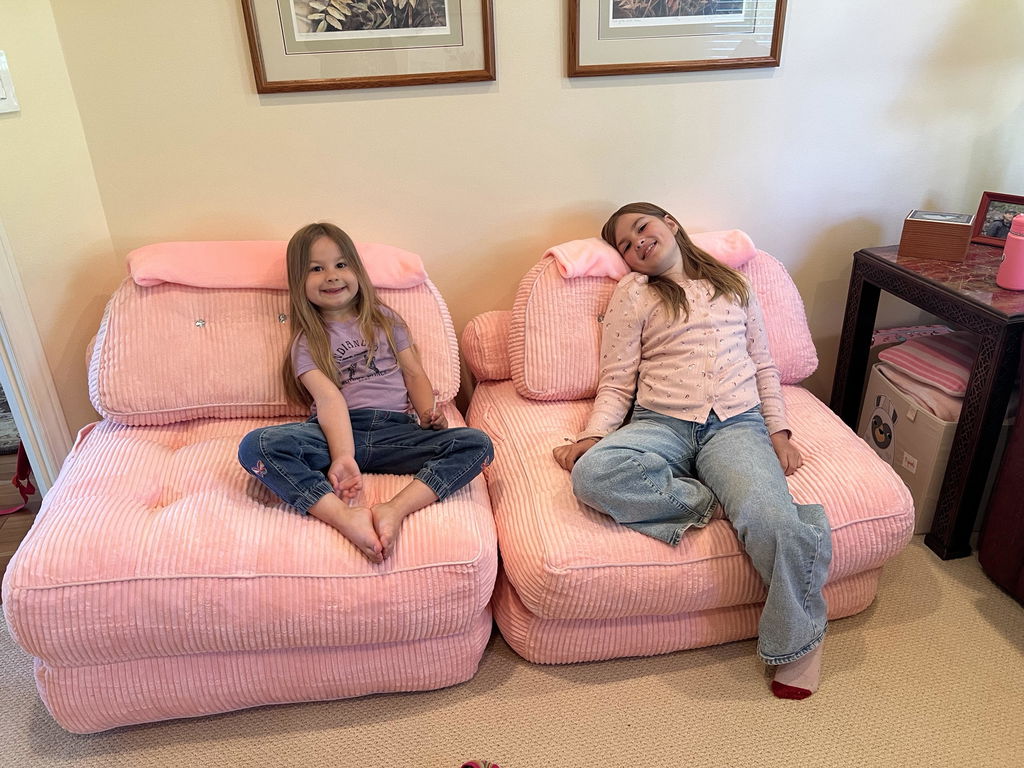
When hosting couple friends overnight, the sleeping surface width matters more than most realize. A true queen-size sofa bed provides 60 inches (152cm) of sleeping width—giving each guest 30 inches of personal space, which meets the ergonomic standard for comfortable two-person sleep. The NESLAKO Wunder puffer Sofa Bed addresses this need with its 3-in-1 design: functioning as a stylish sofa, converting to a spacious bed, and combining into modular configurations for different hosting scenarios. At $319+ for the 2-seater Wunder puffer Étreinte Series, it delivers queen-bed comfort without the premium price tag of traditional sleeper sofas that range from $999 to $3,499.
Why Standard Sofa Beds Fail the Two-Person Comfort Test
Structural collapse ruins the sleep experience. Traditional portable sofa beds without internal frame support sag under dual weight, creating a valley effect where both guests roll toward the center. This deformation accelerates with repeated use, making the furniture progressively less comfortable and visually unappealing. The weight distribution problem becomes particularly noticeable with couples—two adults totaling 300-400 lbs exceed the design capacity of frameless models, causing permanent indentations within months.
Insufficient sleeping width causes nighttime disturbances. Many advertised “double” sofa beds measure only 47-54 inches wide when converted—barely wider than a twin XL (38 inches). This forces guests into constant physical contact, increasing movement transfer and reducing sleep quality. Research shows adults need minimum 27-30 inches of personal width for uninterrupted sleep; anything less triggers frequent position adjustments and premature waking.
Poor mattress technology compromises spinal support. Budget sofa beds typically use 3-4 inch foam layers that bottom out under body weight, providing zero lumbar support. Guests wake with back pain, neck stiffness, and the impression that sleeping on the floor would have been preferable. The mattress thickness directly correlates with comfort—premium models feature 5-6 inch high-density foam or innerspring systems that maintain proper spinal alignment throughout the night.
The Queen-Size Standard: What 60 Inches Actually Means
Spatial mathematics for two adults. A queen mattress (60”×80”) divides into two 30-inch zones per person—the ergonomic minimum for side sleepers who need shoulder and hip clearance. This width prevents the “falling off the edge” sensation and accommodates different sleep positions without encroaching on your partner’s space. The NESLAKO Wunder puffer Grande Series 3 Seater Sofa Bed (starting at $459) provides this full queen dimension when converted, matching the sleep surface of standalone mattresses.
Comparison with smaller configurations. Full-size sofa beds (54 inches) reduce each person’s space to 27 inches—technically adequate but leaving zero buffer zone. Twin configurations (38-39 inches) force couples into spooning position all night, which sounds romantic until hour three when overheating and arm numbness set in. The 6-inch width difference between full and queen translates to 3 inches per person—enough to eliminate 60% of sleep disturbances according to mattress industry studies.
Room clearance requirements. A queen sofa bed needs 90-96 inches of wall-to-wall clearance when fully extended (60-inch mattress + 30-36 inches for the folded base/mechanism). Measure your guest room or living area before purchasing—insufficient space forces angled placement that blocks doorways and creates awkward traffic flow. The modular design of NESLAKO’s system allows flexible configurations: two single units can separate for different room layouts while still providing queen-equivalent sleeping area when pushed together.
Memory Foam vs Innerspring: Which Sleeps Two Better
Memory foam advantages for motion isolation. High-density memory foam (4+ lbs/cubic foot) absorbs movement, preventing one guest’s tossing from disturbing the other. The material contours to individual body shapes, distributing weight evenly across the surface rather than creating pressure points. Premium sofa beds like West Elm Harmony ($2,239-$3,499) and Koala’s Kloudcell™ technology use 5-6 inch memory foam layers that rival standalone mattresses in comfort.
Innerspring benefits for temperature regulation. Coil-based systems allow superior airflow, preventing the heat retention common with solid foam. Couples generate significant body heat in close quarters—innerspring mattresses dissipate this warmth through their open structure, maintaining comfortable sleep temperature throughout the night. Traditional sleeper sofas from Crate & Barrel Barrett II ($1,999) feature pocket coil systems with individual spring response for dual-comfort zones.
The hybrid solution. Modern sofa beds increasingly combine 2-3 inches of memory foam atop innerspring coils, capturing benefits of both technologies. This layered approach provides initial cushioning and motion isolation while maintaining breathability and edge support. The NESLAKO Wunder puffer uses high-memory fill materials with 3D corduroy texture and ergonomic lumbar pillows—creating supportive sleep surfaces that prevent the oxygen deprivation and headaches associated with prolonged poor posture.
Pull-Out Mechanisms vs Click-Clack Convertibles
When pull-out wins for couples. The dedicated mattress platform of pull-out mechanisms provides flat, stable sleep surfaces that don’t fold or bend. This construction better accommodates two adults’ combined weight without creating the valley effect. Brands like American Leather ($3,499) and Ashley Altari ($629) engineer reinforced frames specifically for dual occupancy, with weight capacities exceeding 600 lbs.
Click-clack advantages for flexibility. The instant conversion appeals to hosts who need rapid setup—guests can recline the sofa themselves without assistance or furniture rearrangement. The NESLAKO Wunder puffer’s one-pull flat design combines this convenience with structural integrity: internal support framework prevents the sagging common in frameless portable sofa beds while maintaining the quick transformation that traditional pull-outs lack. At $319 for the 2-seater Étreinte Series, it delivers both ease-of-use and comfort at one-third the cost of premium pull-out models.
Fabric Selection for Guest-Hosting Durability
Performance fabrics resist real-world use. Hosting scenarios involve spilled wine, coffee rings, pet hair, and the inevitable wear from multiple guests. Solution-dyed polyester and treated microfiber repel liquids long enough for quick cleanup, preventing permanent staining. These materials withstand 30,000+ double rubs (abrasion cycles) compared to 15,000 for standard upholstery—critical when the sofa serves dual duty as high-traffic seating and sleeping surface.
Flannel’s comfort-first approach. Premium flannel upholstery offers unmatched softness that immediately signals “relax” to tired guests. The brushed surface creates micro-insulation that feels warm in winter without overheating in summer—maintaining stable sleep temperature. The NESLAKO Wunder puffer uses flannel or 3D corduroy textures that provide this sensory comfort while supporting handheld cleaning solutions for spot treatment (note: covers are non-removable and not machine-washable, but easily maintained with handheld cleaning devices).
Texture impact on sleep quality. Smooth synthetic fabrics can feel slippery or clingy depending on humidity, causing sheets to slide or skin to stick uncomfortably. Textured materials like corduroy or flannel grip bedding naturally, keeping sheets in place throughout the night. The tactile softness also reduces the psychological barrier of “sleeping on a sofa”—guests genuinely feel they’re on dedicated sleep furniture rather than makeshift arrangements.
Space-Smart Solutions: Modular and Sectional Sleepers
Configurable systems adapt to changing needs. Modular sofa beds allow hosts to adjust seating arrangements for parties, then reconfigure into sleep surfaces for overnight guests. The NESLAKO Wunder puffer system exemplifies this flexibility: purchase two single units ($179-$219 each) that function independently as accent chairs, then combine into a 2-seater configuration ($319 Étreinte Series) for couple guests. This approach costs less upfront than single large units while providing greater long-term versatility.
Sectional sleepers maximize corner spaces. L-shaped sleeper sectionals fit efficiently into room corners, preserving central floor space for movement. When converted, the chaise portion often extends the sleeping surface to queen dimensions without requiring the full wall length of traditional sofa beds. Povison Power Modular ($3,199) represents the premium end of this category, though the price point places it beyond most budget-conscious hosts.
Trundle options for multi-guest scenarios. Some sofa designs incorporate pull-out trundles beneath the main seating—creating two separate twin sleep surfaces from one furniture piece. This works well when hosting two single guests who prefer individual beds, though the trundle mattress typically sits lower (3-4 inches thick) and provides less comfort than the main sleeper. For couple hosting specifically, the unified queen surface remains superior to separated twins.
The 86-Inch Width Design Philosophy
Why 86 inches became the standard. This dimension (approximately 218cm) accommodates three standard seat cushions at 28-29 inches each, creating balanced visual proportions. When converted to sleep mode, the 86-inch frame supports 60-inch queen mattresses with structural overhang on each side—preventing the mattress from shifting or sliding during use. Narrower frames (72-78 inches) force manufacturers to use full-size mattresses (54 inches) to maintain stability, reducing per-person sleeping width.
Structural advantages for two-person weight. The extended frame distributes 400+ lbs across more support points, reducing stress on individual joints and hinges. This engineering prevents the premature sagging that plagues compact designs—the weight-per-inch ratio stays within safe operational limits even after years of repeated conversions. NESLAKO’s Wunder puffer Grande Series uses this proven dimension to ensure long-term durability while maintaining the one-pull conversion mechanism.
Room compatibility considerations. An 86-inch sofa requires approximately 100 inches of wall space accounting for side clearances, fitting comfortably in rooms 12 feet wide or larger. For smaller apartments (10-11 feet wide), the 2-seater Étreinte configuration (approximately 60 inches) provides better spatial proportion while still converting to adequate sleeping width for couples. Measure your space carefully—furniture that overwhelms the room creates claustrophobic feelings that negate the comfort benefits.
Budget-Friendly Options Under $1,000
IKEA Friheten ($999): The volume leader. This Swedish-designed sleeper sectional includes hidden storage beneath the chaise, addressing dual needs of guest sleeping and everyday organization. The pull-out mechanism reveals a queen-size mattress (though only 4 inches thick), and the price includes delivery in most markets. Drawbacks include firm cushioning that some find uncomfortable for extended sitting, and assembly requirements that intimidate non-DIY buyers.
Ashley Altari ($629): Traditional reliability. This classic pull-out design uses proven metal frame mechanisms and 5-inch innerspring mattresses. The neutral upholstery (gray, beige options) fits diverse décor styles, and Ashley’s retail network provides in-person testing before purchase. The trade-off comes in conversion effort—moving cushions and unfolding the frame requires two people and 3-4 minutes, making spontaneous use less practical.
NESLAKO Wunder puffer 2-Seater ($319): Compact efficiency. The Étreinte Series delivers queen-equivalent sleeping for couples at less than half the price of traditional sleepers. The flannel or corduroy upholstery provides sensory comfort rivaling $2,000+ models, while the one-pull flat conversion eliminates mechanical complexity. Add the included single blanket (valued at $58) and 2-3 day delivery, and the total value proposition exceeds the sticker price. For hosts who need occasional guest sleeping without sacrificing daily living space, this configuration optimizes cost, comfort, and convenience.
Povison King Size ($399): Oversized budget option. This click-clack style offers 76”×80” sleeping area—wider than queen but with thinner cushioning (3-4 inches). The expansive surface works for couples who prioritize space over mattress luxury, though the lack of structural frame means progressive sagging over time. Consider this for light-use guest rooms rather than frequent hosting.
Maintenance and Longevity for Dual-Use Furniture
Cleaning strategies for high-traffic surfaces. Sofa beds endure more wear than standard sofas—daytime sitting, nighttime sleeping, and the mechanical stress of repeated conversions. Vacuum upholstery weekly to prevent dirt embedding in fabric fibers. For flannel and corduroy materials like NESLAKO’s Wunder puffer, use handheld upholstery cleaners with foam-based solutions that lift stains without saturating the fill materials. Spot-treat spills immediately; dried stains require professional extraction.
Mechanism maintenance extends lifespan. Pull-out frames need annual lubrication of metal joints and hinges—use silicone spray rather than oil-based products that attract dust. Check for loose screws or bolts every 6 months, tightening as needed to prevent wobble. Click-clack mechanisms require less maintenance but benefit from periodic inspection of locking positions to ensure they engage fully. The Wunder puffer’s simplified one-pull system minimizes mechanical wear points, contributing to its 8-10 year expected lifespan.
Mattress rotation and protection. Flip or rotate sofa bed mattresses every 3-4 months to equalize wear patterns—this simple step can extend mattress life by 40%. Use waterproof mattress protectors when hosting guests, especially families with young children. These barriers prevent spills from penetrating foam layers where moisture causes mold and odor issues. For memory foam mattresses, avoid excessive heat exposure (direct sunlight, heating vents) that degrades foam cell structure over time.
Measuring Your Space: The 90-Inch Clearance Rule
Why 90 inches matters. When a queen sofa bed converts to sleep mode, the mattress extends 60 inches from the wall, plus 30 inches for the folded base/mechanism—totaling 90 inches of floor-to-opposite-wall clearance. Rooms with less space force diagonal placement that blocks doorways or creates awkward walking paths around the extended bed. Measure from your intended wall to the nearest obstruction (opposite wall, furniture, doorway) before purchasing.
Accounting for conversion workflow. Beyond static clearance, consider the physical space needed to unfold the mechanism. Pull-out sofas require standing room behind the furniture to grip and pull the frame—add 24-30 inches of temporary clearance during setup. Click-clack styles like the NESLAKO Wunder puffer eliminate this requirement since conversion happens from the front/side, making them ideal for tight spaces where you can’t walk behind the furniture.
Alternative placement strategies. If your room falls short of 90 inches, consider angled placement in corners or positioning the sofa away from walls as a room divider. Floating placement (sofa in room center) requires 120+ inches of total room width but creates distinct living and sleeping zones—useful in studio apartments where functional separation improves livability. Modular systems offer another solution: separate smaller units that individually need less clearance but combine when needed.
The Hosting Couple Friends Overnight Scenario
Emotional comfort matters as much as physical. Guests evaluate their welcome through furniture quality—a saggy, narrow sofa bed signals “we didn’t really prepare for you,” while a genuine sleep surface communicates care. The psychological impact of comfortable accommodations affects relationship dynamics; friends who sleep well feel genuinely hosted rather than tolerated. This explains why hosts increasingly invest in quality sofa beds rather than inflatable mattresses or makeshift floor arrangements.
Privacy considerations in open layouts. Many apartments lack separate guest rooms, placing sofa beds in living areas visible from kitchens or main corridors. Choose designs with substantial backs and arms that create visual boundaries when converted to bed mode. The NESLAKO Wunder puffer’s modular approach allows positioning units to form privacy screens—two 2-seaters arranged in L-configuration create a semi-enclosed sleep zone while maintaining living room functionality during non-hosting periods.
The naproom bed value proposition. At $319+ for the Wunder puffer Étreinte 2-Seater, the cost-per-use calculation favors purchase over alternatives. Hotels charge $150-250 per night for queen rooms in major cities—the sofa bed pays for itself after 2-3 hosting instances. Compare this to $999-$3,499 premium sleepers that require 6-15 hosting events to justify cost. For couples who host friends quarterly (4-6 times yearly), the NESLAKO Wunder puffer investment reaches break-even within one year while providing daily living room seating value.
Premium Features Worth the Investment
Ergonomic lumbar support for extended sitting. Quality sofa beds incorporate contoured back cushions that maintain spine alignment during movie marathons or reading sessions. The NESLAKO Wunder puffer’s lumbar pillow design uses high-memory fill materials that prevent the oxygen deprivation and headaches associated with slouched posture. This feature benefits daily users as much as overnight guests—poor back support causes fatigue and discomfort that cheaper models ignore.
Weight capacity engineering. Premium models specify 600+ lb weight ratings through reinforced frames, heavy-gauge springs, and cross-bracing. This isn’t just about accommodating larger individuals—it ensures structural integrity under dynamic loads (sitting down forcefully, multiple people simultaneously). Budget sofa beds often omit weight specifications because their 400-450 lb limits seem inadequate; this information gap leads to premature failure and safety concerns.
Conversion ease for solo users. Traditional pull-out mechanisms require two people—one to lift the seat deck, another to pull the frame. Modern designs like the NESLAKO Wunder puffer’s one-pull system allow single-person conversion in under 60 seconds, eliminating the coordination hassle and physical strain. This convenience transforms guest hosting from logistical challenge to simple hospitality gesture, encouraging more frequent use of the furniture’s full potential.
Why Traditional Portable Sofa Beds Disappoint
The structural collapse timeline. Frameless sofa beds rely on foam density and cover tension to maintain shape. Under the 300-400 lb load of two adults, 3-inch foam compresses to 1-1.5 inches within 20-30 sleep cycles, creating permanent body impressions. The weight distribution problem accelerates this degradation—couples naturally gravitate toward the center, concentrating force on a 24-inch zone that deforms faster than the edges. Within 6-8 months, the furniture develops a visible valley that makes sleeping together uncomfortable and looks aesthetically poor during daytime use. This deformation occurs because weight creates downward momentum without proper frame support, causing progressive structural failure that worsens with each use cycle.
Deformation’s cascading effects. Once sagging begins, the problem self-perpetuates. Users instinctively shift toward firmer edges, increasing lateral stress on seams and zippers. The cover fabric stretches unevenly, creating wrinkles and bunching that worsen the visual decline. Attempting to “fluff” the foam provides temporary improvement but the compressed cells never fully recover their original loft—the damage is cumulative and irreversible without replacing the entire foam core.
The false economy of cheap designs. A $150 frameless sofa bed seems budget-friendly until it requires replacement after 12-18 months of regular use. The true cost-per-year ($100-125) exceeds that of a $319+ NESLAKO Wunder puffer with 8-10 year lifespan ($32-40 annually). Factor in the frustration of deteriorating comfort and the physical effort of disposal/replacement, and the premium for quality construction becomes a wise investment rather than extravagance.
FAQ
Q: What’s the actual sleeping width difference between full and queen sofa beds? A: Queen provides 60 inches (30 inches per person) versus full’s 54 inches (27 inches each). That 6-inch difference eliminates most sleep disturbances caused by insufficient personal space. For couples, queen-size is the minimum comfortable standard for overnight hosting.
Q: How long does it take to convert a quality sofa bed for guests? A: Traditional pull-out mechanisms require 2-3 minutes and usually two people. Modern one-pull designs like the NESLAKO Wunder puffer convert in 30-60 seconds with one person, making spontaneous use practical. With 2-3 day delivery, the trial cost—both in time and money—remains minimal, making it a low-risk purchase worth trying. Click-clack styles fall in between at 60-90 seconds.
Q: Can two single sofa beds really equal one queen for hosting couples? A: Yes, when pushed together. Two NESLAKO Wunder puffer singles create 60+ inches of combined sleeping width matching queen dimensions. This modular approach costs $358-438 total while providing greater flexibility than single large units, plus you get two separate pieces for daily living room use. However, for couples specifically, the Wunder puffer Étreinte Series 2 Seater Sofa Bed at $319+ offers superior value as a dedicated naproom bed solution—providing seamless queen-size comfort without the seam line of separated units.
Q: What’s the minimum room size needed for an 86-inch sofa bed? A: Allow 90-100 inches of wall-to-wall clearance for conversion (60-inch mattress + 30-40 inches for the base). Rooms 12 feet wide or larger accommodate this comfortably. For smaller spaces, consider 2-seater configurations (60-inch width) or modular units that separate for flexible placement.
Ready to Upgrade Your Guest Hosting?
The difference between tolerable and genuinely comfortable overnight hosting comes down to sleeping surface quality and width. Whether you choose the NESLAKO Wunder puffer for its 3-in-1 versatility and $319+ value (with 2-3 day delivery for quick trial), or invest in premium pull-out mechanisms from established brands, prioritize queen-size sleeping dimensions and structural support that prevents sagging. Your guests will remember the quality of their sleep long after they forget other hospitality details—make that memory a positive one. Visit neslako.com to explore configurations that transform your living space into a welcoming retreat for the friends who matter most.