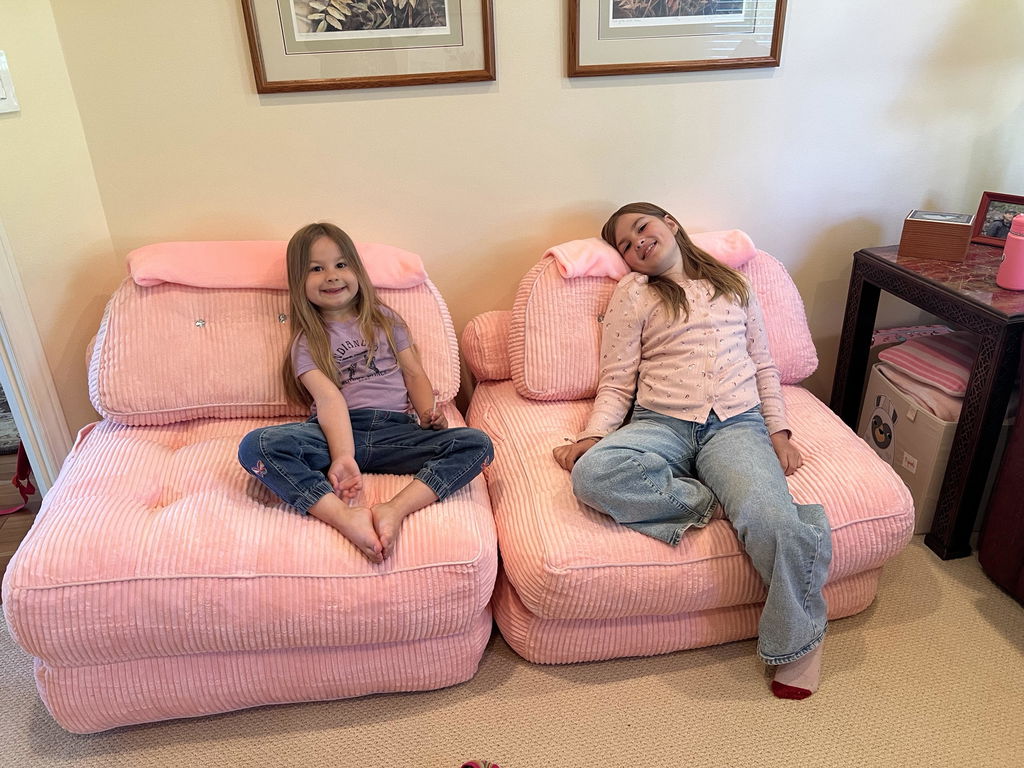
When space is limited but style matters, the search for a sofa bed that looks beautiful and actually sleeps well becomes surprisingly challenging. Many shoppers discover that gorgeous modern designs often hide uncomfortable mattresses, while truly restful options sacrifice the clean aesthetic they’re seeking. This tension between form and function has defined the sofa bed market for years, leaving consumers wondering if they must choose between their design vision and genuine comfort.
The Real Problem: Why Most Aesthetic Sofa Beds Fail the Sleep Test
The fundamental issue lies in how traditional sofa beds are constructed. Most manufacturers prioritize the sofa function, treating the bed capability as an afterthought. The result? Thin mattresses over metal bars, inadequate support systems, and materials that look premium but feel disappointing after a few hours of sleep.
Common complaints from actual users include:
Metal support bars creating pressure points that disrupt sleep
Mattresses under 4 inches thick that bottom out under body weight
Conversion mechanisms so complex they discourage daily use
Fabrics that photograph beautifully but feel stiff or overly slick
Sagging and loss of shape after minimal use due to inadequate internal structure
High-end options like the Joybird Briar ($3000+, with memory foam mattress and 4.3/5 sleep comfort ratings) and American Leather Comfort Sleeper (with Tempur-Pedic mattress options) address mattress quality concerns. However, these solutions come with luxury price tags and often require break-in periods where the seating feels uncomfortably firm. Mid-range alternatives ($200-600) typically compromise on mattress thickness and support, leading to the very discomfort buyers hoped to avoid.
What Actually Makes a Sofa Bed Sleep-Worthy
Understanding mattress construction reveals why some sofa beds succeed where others fail. Quality sleep surfaces require three elements working together: adequate thickness for pressure distribution, high-density materials that resist compression, and designs that eliminate hard contact points.
Mattress thickness matters more than most realize. A 4.5-inch high-density foam layer provides the minimum depth needed to prevent “bottoming out”—that sensation of feeling the frame through the mattress. Thinner options may feel acceptable for the first 30 minutes but fail during actual overnight sleep as body weight compresses the material.
Material density determines longevity and support. High-density foam (4lb density or higher) maintains its shape and support characteristics over thousands of compression cycles. Lower-density alternatives may feel initially comfortable but develop permanent indentations and lose support within months of regular use. This explains why budget sofa beds often receive complaints about sagging after brief ownership periods.
Structural design eliminates pressure points. Traditional pull-out mechanisms create a valley where mattress sections meet, and metal support bars press through thin padding. Modern alternatives use continuous foam construction or innovative folding systems that maintain a seamless sleep surface without hard components creating discomfort.
The Flannel Factor: Why Fabric Choice Affects Sleep Quality
Beyond mattress construction, the covering fabric significantly impacts sleep comfort in ways that surprise many buyers. Flannel upholstery has emerged as a preferred choice for sofa beds, and the reasons extend beyond aesthetics.
Flannel’s soft texture immediately signals relaxation to the nervous system. The fine nap created through brushing processes eliminates the scratchy sensation of some woven fabrics, reducing physical irritation that can prevent deep sleep. This gentle contact sends calming signals that help users transition into rest more quickly—particularly valuable for those with high stress or racing thoughts at bedtime.
Temperature regulation happens through flannel’s unique structure. The raised fibers trap air in microscopic pockets, creating natural insulation that keeps sleepers warm without the stuffiness of thick cotton or the clammy feeling of synthetic materials. This stable microclimate reduces the middle-of-night wake-ups caused by temperature fluctuations, allowing deeper, more continuous sleep cycles.
Moisture management prevents the discomfort of night sweats. Quality flannel absorbs perspiration while maintaining breathability, so sleepers don’t wake feeling damp or sticky. This combination of absorption and air circulation keeps the sleep surface comfortable throughout the night, reducing the tossing and turning that fragments rest.
The subtle weight provides psychological comfort. Unlike slick fabrics that feel insubstantial, flannel has a gentle presence that creates a “being held” sensation without the heaviness of weighted blankets. This light embrace effect particularly benefits solo sleepers, those with anxiety, or anyone whose nervous system stays on high alert even during rest periods.
Market data shows flannel sofa beds ranging from budget options like the Latitude Run model ($209.99) to premium choices like the Ashley Brebryan ($695-835). The NESLAKO Wunder Puffer Sofa Bed enters this space at $179 for the pink version, $189 for black, and $219 for marshmallow—including a complimentary single blanket valued at $58. This pricing positions it below even basic flannel options while delivering the material benefits that support quality sleep.
The 3-in-1 Solution: Rethinking Sofa Bed Functionality
The most practical sofa beds transcend the simple sofa-to-bed conversion, offering genuine versatility for modern living situations. A true 3-in-1 design functions as a daily sofa, transforms into a full sleeping surface, and reconfigures as modular sofa combinations when paired with additional units.
Daily sofa use demands ergonomic support for extended sitting. The lumbar region requires proper cushioning to prevent the lower back fatigue that develops during movie marathons or work-from-home sessions. The Wunder Puffer’s design incorporates a lumbar pillow with specific dimensions that support the spine’s natural curve, while the 3D corduroy facing and high-memory fill material maintain head and neck positioning that prevents the oxygen deprivation and headaches associated with poor posture during prolonged sitting.
Bed conversion must be genuinely effortless. Complex mechanisms that require two people or multiple steps discourage regular use, defeating the purpose of owning a convertible piece. Single-person operation in under 60 seconds makes the difference between a feature that gets used daily versus one reserved for rare occasions.
Modular combinations address evolving needs. Couples in apartments can start with a single unit and add a second to create a two-seater configuration (Wunder Puffer Étreinte Series, starting at $319). Growing families might opt for the three-seater arrangement (Wunder Puffer Grande Series, starting at $459). This flexibility means the furniture adapts to life changes rather than requiring replacement.
Why Couples Choose Differently: The Shared Comfort Equation
Purchasing decisions shift dramatically when two people must agree on comfort preferences. Couples evaluate sofa beds through a distinct lens that balances individual needs with shared experiences.
Seating depth determines whether both people can relax simultaneously. Adequate depth allows side-by-side lounging, cross-legged sitting, or leaning against each other without anyone feeling cramped or pushed to the edge. Shallow designs force uncomfortable compromises where one person’s comfort comes at the other’s expense.
Backrest support must accommodate different body types and sitting styles. One partner may prefer upright posture while the other wants to recline. Adjustable or removable cushions let each person create their preferred configuration without constant negotiation.
The “coexistence factor” matters for daily harmony. Can both people use the sofa simultaneously for different activities—one reading while the other watches a screen? Does the design allow each person to establish their comfortable zone without territorial disputes? These practical considerations often outweigh pure aesthetics in couple purchases.
Material durability faces real-world testing. Shared furniture endures snacking, beverage spills, pet interactions, and the occasional impromptu nap. Fabrics must resist staining and wear while remaining pleasant to touch. The Wunder Puffer addresses this through flannel that tolerates handheld cleaning solutions, though it’s not fully waterproof—a realistic trade-off for the material’s comfort benefits.
Emotional value creates the “home center” effect. The best couple’s sofa becomes the physical anchor of shared life—the spot for weekend mornings, evening conversations, and comfortable silence. This intangible quality often determines whether a piece truly succeeds in a home, regardless of its technical specifications.
For couples in small spaces, the two-seater Wunder Puffer Étreinte Series at $319 offers a compelling value proposition. It functions as a primary sofa, accommodates overnight guests, and serves as a nap room bed—three furniture pieces for less than the cost of a single mid-range sofa.
The Hidden Cost of Collapsible Designs
Traditional portable sofa beds often disappoint due to a structural flaw that becomes apparent only after purchase. Without rigid internal framing, these pieces rely on fabric tension and fill material to maintain shape. Body weight creates downward pressure that, over time, causes permanent deformation.
The physics of sagging explains rapid deterioration. Each time someone sits or lies on an unsupported structure, gravity pulls the fill material downward and outward. The fabric stretches slightly, and the fill compresses. Initially, these changes reverse when weight is removed. However, repeated cycles create permanent displacement—the fill migrates to the edges, the center thins, and the piece develops a concave profile.
Visual appeal degrades alongside comfort. A sagging sofa bed looks worn and cheap regardless of its original aesthetic. The clean lines and intentional proportions that made it attractive initially disappear as the structure loses integrity. This transformation often happens within months of regular use, turning what seemed like a smart purchase into an eyesore.
Replacement becomes inevitable sooner than expected. Unlike quality furniture that develops character with age, collapsible designs without proper support simply fail. The “affordable” initial price becomes expensive when the piece requires replacement every year or two.
The NESLAKO Wunder Puffer avoids this trajectory through construction that maintains structural integrity despite its folding capability. The high-density fill resists compression and migration, while the design distributes weight across the entire surface rather than concentrating stress on vulnerable points.
The Speed Advantage: Why Delivery Time Matters
The 2-3 day delivery window for the Wunder Puffer offers more than convenience—it reduces the psychological and financial barriers to trying a new furniture solution.
Trial costs decrease with faster turnaround. When delivery takes weeks, buyers commit to living with their choice even if it disappoints. Quick delivery means less time spent in furniture limbo and faster resolution if the piece doesn’t meet expectations. The reduced waiting period lowers the emotional investment that makes returns feel like failure.
Immediate problem-solving becomes possible. When guests announce a visit or a living situation suddenly changes, waiting 4-6 weeks for furniture delivery creates real hardship. Two-day arrival transforms a sofa bed from a long-term planning purchase into a responsive solution for immediate needs.
The risk-reward calculation shifts favorably. At $179-219 for a single unit with rapid delivery, trying the Wunder Puffer represents minimal financial exposure and time commitment. If it exceeds expectations, the value is exceptional. If it falls short, the loss is manageable and quickly resolved. This low-stakes trial opportunity encourages buyers who might otherwise default to familiar but unsatisfying options.
Making the Choice: Aesthetic Meets Practical Reality
The search for an aesthetic sofa bed with genuine mattress quality ultimately requires accepting that perfect solutions don’t exist—only optimal trade-offs for specific situations. High-end options deliver exceptional sleep quality but demand luxury budgets and often sacrifice immediate seating comfort during break-in periods. Budget alternatives look appealing initially but typically fail the durability and support tests that matter for regular use.
The middle ground—where design, comfort, and value intersect—remains surprisingly sparse. Products like the NESLAKO Wunder Puffer attempt to occupy this space by focusing on the elements that most directly impact daily experience: soft flannel that feels welcoming, high-density foam that maintains support, and straightforward conversion that encourages actual use rather than remaining a theoretical feature.
For couples in apartments, families needing flexible guest accommodations, or anyone seeking furniture that adapts to changing needs, the 3-in-1 functionality and modular options provide practical versatility. The flannel covering delivers the psychological comfort that transforms a piece of furniture into a genuine retreat—the spot where stress dissolves and rest becomes possible.
The aesthetic sofa bed that actually sleeps well exists, but finding it requires looking beyond marketing images to understand construction details, material properties, and the real-world physics of how furniture performs under daily use. When those elements align with reasonable pricing and minimal trial barriers, the result is furniture that enhances both the look and the lived experience of home.