Over one-third of American couples now choose separate sleeping arrangements due to snoring issues, a trend known as “sleep divorce.” While this decision often improves sleep quality and reduces stress for both partners, many couples still seek solutions that allow them to maintain emotional intimacy while addressing nighttime disruptions. The challenge lies in finding flexible sleeping arrangements that balance comfort, independence, and relationship connection.
Understanding the Real Impact of Partner Snoring
Sleep disruption from a snoring partner creates cascading effects beyond simple tiredness. The non-snoring partner experiences frequent sleep interruptions, leading to daytime fatigue, increased irritability, and emotional strain on the relationship. Medical research shows that snoring occurs when airflow becomes partially obstructed during sleep, causing tissue vibration in the throat. While the snorer may be unaware of the issue, their partner often endures hours of noise that prevents deep, restorative sleep cycles.
The emotional toll extends beyond physical exhaustion. Many couples report feeling guilty about wanting separate sleep spaces, fearing it signals relationship problems. However, 60% of couples who implement flexible sleeping solutions report improved relationship quality alongside better rest. The key is finding arrangements that preserve intimacy while providing the independence needed for quality sleep.
Traditional Solutions and Their Limitations
Split adjustable beds represent the premium solution in this space, but come with significant drawbacks. Brands like Tempur-Pedic and Nectar offer split king configurations where each partner controls their side independently. These systems can elevate the head by 12 degrees to reduce snoring by improving airway alignment. However, prices range from $1,500 to over $3,000, requiring specialized bed frames and substantial upfront investment.
Complete separate bedrooms offer maximum sleep independence but sacrifice the emotional connection many couples value. Partners miss the comfort of shared space, bedtime conversations, and physical closeness that strengthen relationships. This solution also requires sufficient home space, which many urban dwellers lack.
Traditional convertible sofa beds attempt to bridge this gap but typically fail on comfort. Thin mattresses, exposed metal support bars, and sagging over time make them unsuitable for regular sleep. The non-snoring partner ends up trading one discomfort (noise) for another (poor support), defeating the purpose of the arrangement.
The Sofa Bed Revolution: Flexible Spaces for Modern Couples
High-quality sofa beds now offer genuine sleep comfort while maintaining living space functionality. The evolution of memory foam technology and ergonomic design has transformed these pieces from emergency guest solutions into viable primary sleep options. Modern sofa beds with 4.5-inch thick memory foam layers provide support comparable to traditional mattresses, with motion isolation that prevents one partner’s movements from disturbing the other.
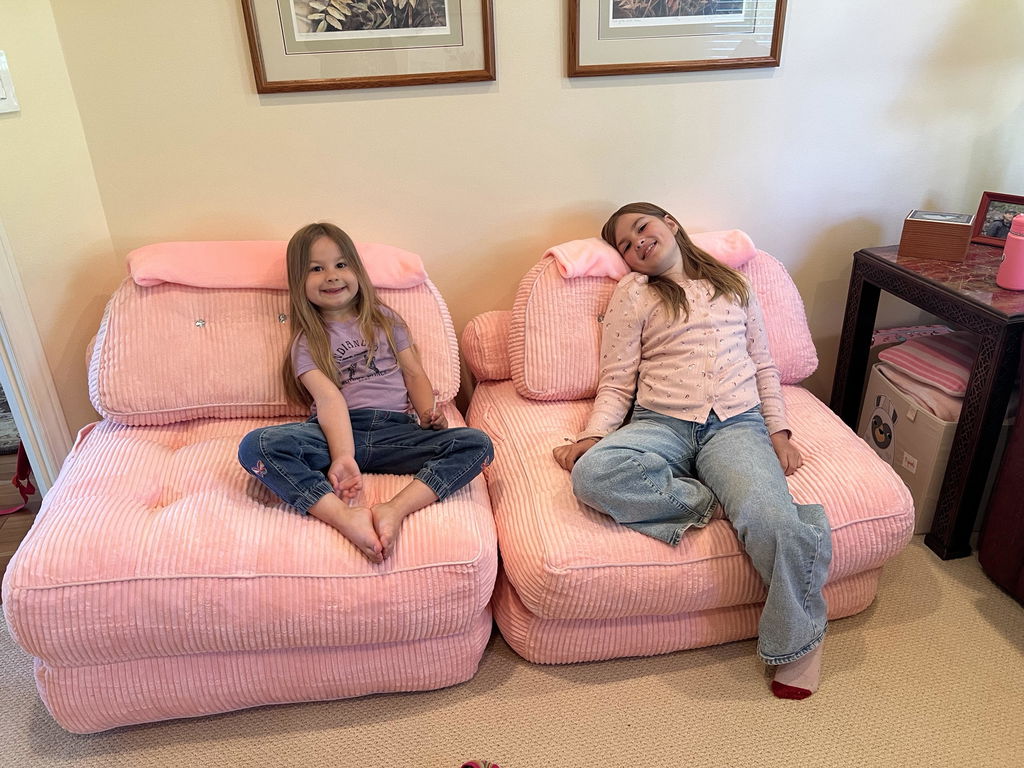
The NESLAKO Wunder puffer Sofa Bed exemplifies this new generation of flexible sleeping solutions. Unlike conventional sofa beds with metal frames that create pressure points, the Wunder puffer uses high-memory foam filling throughout its structure. The flannel upholstery provides soft, nerve-calming tactile comfort that helps reduce pre-sleep anxiety and promotes faster sleep onset. This material naturally regulates temperature without trapping heat, addressing the common complaint of waking up sweaty on traditional sofa beds. However, it’s important to note that flannel fabric is not 100% waterproof.
The 3-in-1 functionality makes the Wunder puffer particularly valuable for couples managing snoring issues. During the day, it serves as a comfortable living room sofa where both partners can relax together. At night, it converts to a full sleeping surface in seconds without requiring two people to lift heavy mattresses or wrestle with complicated mechanisms. The single-person operation means the non-snoring partner can quietly transition to their sleep space without waking their partner or creating awkward nightly routines.
For couples wanting to stay in the same room while maintaining sleep independence, the modular design offers creative solutions. Two single Wunder puffer units can be positioned as separate sleeping areas, or combined into the Wunder puffer Étreinte Series 2 Seater Sofa Bed starting at $319. This configuration provides individual sleep zones with the option to push units together for shared relaxation time. Families with multiple children might consider the Wunder puffer Grande Series 3 Seater Sofa Bed starting at $459, which accommodates multiple sleepers while maintaining the flexibility to separate as needed.
Why Flannel Fabric Matters for Sleep Quality
The flannel upholstery on quality sofa beds like the Wunder puffer directly impacts sleep onset and maintenance. Flannel’s brushed surface creates microscopic fibers that feel exceptionally soft against skin, sending relaxation signals to the nervous system. This tactile comfort helps reduce the physical tension that often accompanies sleep anxiety, particularly for individuals stressed about their partner’s snoring.
The fabric’s thermal properties create a microclimate that stays warm in winter without overheating in summer. Unlike smooth synthetic materials that trap moisture, flannel’s natural breathability wicks away perspiration while maintaining comfortable body temperature. This stability reduces nighttime awakenings caused by feeling too hot or too cold, a common issue when sleeping separately from a partner’s body heat.
Flannel also provides a subtle weighted sensation without the heaviness of thick blankets. This gentle pressure mimics the comforting feeling of being held, which proves especially valuable for individuals sleeping alone after years of sharing a bed. The psychological benefit of this “embraced” feeling helps ease the emotional adjustment of separate sleeping arrangements.
Ergonomic Design for Extended Comfort
Proper lumbar support transforms a sofa bed from temporary solution to sustainable sleep space. The Wunder puffer incorporates ergonomically sized back cushions with 3D corduroy facing and high-memory foam filling. This design maintains natural spinal alignment whether sitting upright during the day or lying flat at night. The cushions prevent the lower back strain that plagues traditional sofa beds, where inadequate support forces the spine into unnatural curves.
This ergonomic attention extends to head and neck positioning. The ergonomically sized back cushions with 3D corduroy facing and high-memory foam filling are specifically designed so that when lounging for extended movie watching, your brain won’t experience oxygen deprivation or headaches that typically occur with poor head positioning. The memory foam responds to individual body contours, distributing pressure evenly rather than creating concentrated stress points.
For the non-snoring partner seeking refuge from nighttime noise, this means arriving at their sleep space without pre-existing physical discomfort. Starting sleep in a relaxed, properly aligned position significantly improves the ability to fall asleep quickly and maintain deeper sleep stages throughout the night.
Addressing the Collapse Problem in Portable Sleep Solutions
Traditional portable sofa beds suffer from structural collapse that worsens over time. Without internal support frames, these products rely entirely on foam density to maintain shape. As users sit and lie on the same areas repeatedly, the foam compresses unevenly. The weight of the body creates momentum during position changes, accelerating deformation in high-stress zones. Within months, visible sagging appears in seat areas and along edges, creating an uncomfortable bowl shape that makes both sitting and sleeping unpleasant.
This progressive collapse also degrades aesthetic appeal. What begins as a stylish furniture piece becomes visibly worn, with permanent indentations and uneven surfaces that detract from room appearance. For couples already dealing with the emotional complexity of separate sleeping arrangements, having furniture that looks shabby adds unnecessary stress to the home environment.
The Wunder puffer addresses this through strategic foam layering and density distribution. High-resilience foam in weight-bearing areas maintains structure under repeated use, while softer comfort layers on top provide the plush feel that aids sleep. This engineering prevents the momentum-driven deformation that plagues frameless designs, ensuring the piece maintains both comfort and appearance over years of nightly use.
Practical Considerations: Maintenance and Trial Period
Easy maintenance proves essential for solutions used daily. While the Wunder puffer’s flannel cover is not removable for machine washing, it supports handheld cleaning solutions that make spot treatment simple and easy to clean. Flannel’s natural stain resistance means most spills wipe away easily before setting, and the fabric’s texture helps hide minor marks that would be obvious on smooth materials. This practical durability matters for real-life use where coffee spills, pet accidents, and everyday wear occur regularly.
The 2-3 day delivery timeline reduces the trial barrier significantly, meaning both the time cost and actual cost of trying this solution are minimal. Couples frustrated by snoring disruption can receive and test the solution within days rather than waiting weeks for custom furniture orders. If the arrangement doesn’t work as hoped, the relatively modest investment of $179 for a single Wunder puffer Sofa Bed in pink ($189 for black, $219 for marshmallow) represents manageable financial risk compared to thousand-dollar adjustable bed systems.
This quick turnaround also addresses the urgency many couples feel when sleep deprivation reaches critical levels. After multiple nights of disrupted rest, waiting a month for furniture delivery feels intolerable. Fast shipping means relief arrives quickly, allowing both partners to start recovering from accumulated sleep debt.
Making the Investment Decision
Comparing costs reveals the value proposition of flexible sofa bed solutions. Premium flannel single sofas from brands like Ashley Brebryan range from $695 to $835, while convertible flannel futon sleepers cost around $628. Mid-range options like Wrought-Studio flannel sofa beds sell for $380, and budget models from Latitude Run or Ebern Designs start at $210. However, these products typically serve as occasional guest beds rather than primary sleep solutions.
The NESLAKO Wunder puffer at $179 includes a complimentary single blanket valued at $58, effectively reducing the net cost to $121 for a piece that functions as living room seating, afternoon nap spot, and full sleeping surface. For couples considering the Wunder puffer Étreinte Series 2 Seater Sofa Bed starting at $319, the per-person cost drops to $160 while providing a cohesive furniture piece that maintains room aesthetics better than two separate singles. As a naproom bed solution, $319 represents excellent value for couples seeking both daytime comfort and nighttime sleep independence.
When compared to split adjustable beds costing $1,500 to $3,000 plus specialized frames, or even mid-range convertible sofa beds at $800 to $1,500, the Wunder puffer delivers comparable sleep comfort at a fraction of the price. The modular approach also offers flexibility that fixed beds cannot match. As living situations change—moving to larger homes, welcoming children, or eventually resolving snoring through medical intervention—the pieces adapt to new needs rather than becoming obsolete.
Creating Your Flexible Sleep Strategy
Successful implementation requires honest conversation and experimentation. Couples should discuss their specific needs: Does the snoring occur all night or primarily in certain positions? Would staying in the same room with separate sleep surfaces work, or is complete sound isolation necessary? How important is maintaining bedtime rituals and physical closeness?
For many couples, the ideal solution involves graduated separation. Start with the non-snoring partner having a comfortable alternative available in the same room. On particularly disruptive nights, they can transition to their own sleep surface without the guilt or logistical hassle of relocating to another room. This preserves the option for intimacy and connection while ensuring both partners can access quality sleep when needed.
The Wunder puffer’s single-person conversion mechanism supports this flexibility. Unlike traditional sofa beds requiring two people to pull out heavy mattresses, one partner can quietly make the transition without waking the other or creating a production that emphasizes the separation. The process takes seconds and requires minimal physical effort, removing barriers that might otherwise keep the exhausted partner suffering through another disrupted night.
Beyond Snoring: Long-Term Relationship Benefits
Addressing sleep incompatibility strengthens relationships rather than weakening them. Research consistently shows that well-rested partners communicate more effectively, show greater patience, and maintain better emotional regulation. When both individuals wake refreshed, they bring more positive energy to shared time together. The resentment that builds from chronic sleep deprivation dissipates, replaced by appreciation for a partner who prioritizes both people’s wellbeing.
Flexible sleeping arrangements also model healthy problem-solving for couples. Rather than suffering in silence or issuing ultimatums, partners demonstrate that creative solutions exist for seemingly intractable problems. This collaborative approach to challenges strengthens the relationship foundation, building confidence that future obstacles can also be navigated successfully.
For couples in the United States seeking practical solutions to snoring disruption, the combination of modern sofa bed technology and thoughtful space planning offers genuine relief. The NESLAKO Wunder puffer provides the comfort, flexibility, and affordability that make sustainable separate sleeping arrangements possible without sacrificing the emotional connection that makes relationships thrive. Quality sleep and quality relationships need not be mutually exclusive—with the right tools, couples can achieve both.