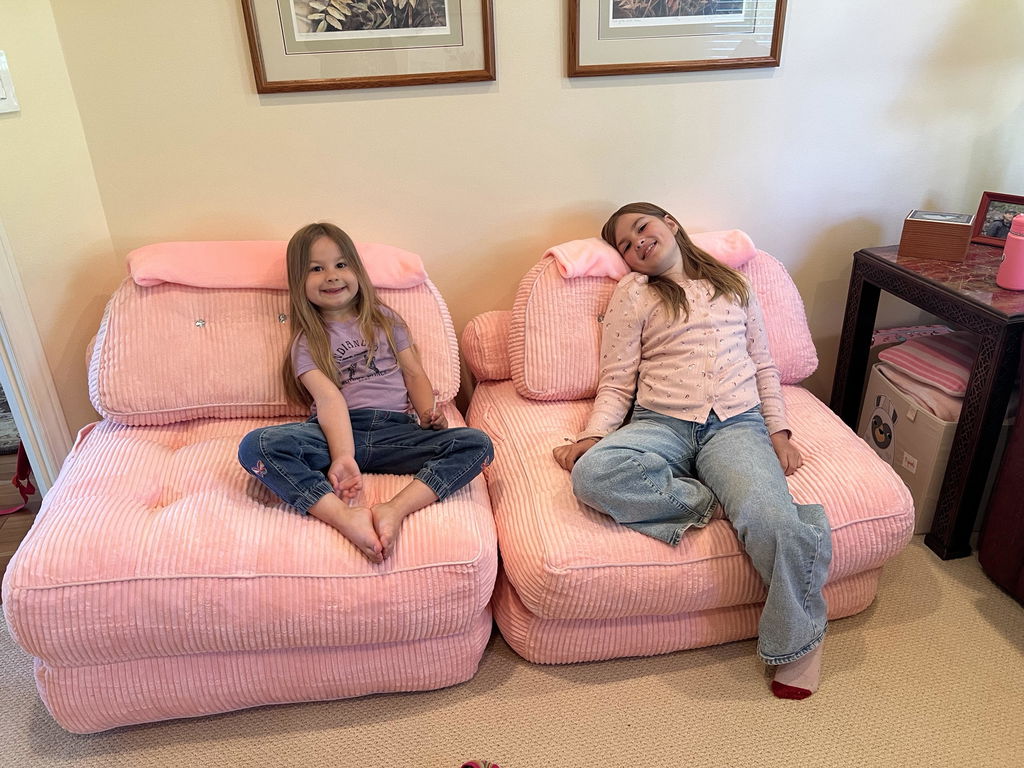
When your partner snores, finding a comfortable sleeping arrangement becomes crucial for both your relationship and your health. Instead of resorting to separate bedrooms—which 44% of snoring-affected couples consider—flexible sleeping solutions now allow partners to stay together while each enjoys personalized comfort. Modern adjustable sleep systems, modular sofa beds, and strategic bedroom setups provide independent sleep zones without the emotional distance of sleeping apart. NESLAKO’s Wunder puffer Sofa Bed exemplifies this trend, offering couples a 3-in-1 solution that transforms from daytime seating to independent sleeping zones at night, all while maintaining the intimacy of shared space.
Why Snoring Disrupts Partner Sleep Quality
Snoring creates measurable sleep disruption for non-snoring partners. Research shows that partners of chronic snorers lose an average of 49 minutes of sleep per night due to noise disruption. The sound levels from moderate snoring range from 50-65 decibels—equivalent to normal conversation volume—while severe cases can reach 80 decibels, comparable to a garbage disposal.
Beyond noise, the unpredictable rhythm of snoring prevents the brain from entering deep sleep stages. Unlike white noise, which maintains consistent sound patterns, snoring fluctuates in volume and frequency, triggering micro-awakenings throughout the night. This fragmented sleep leads to daytime fatigue, irritability, and decreased cognitive function for the non-snoring partner.
The relationship impact extends beyond tiredness. Couples dealing with chronic snoring report increased tension, reduced intimacy, and communication breakdowns. The non-snoring partner often experiences resentment, while the snoring partner feels guilt and defensiveness—creating a cycle that strains emotional connection.
Elevation-Based Solutions: Adjustable Sleep Systems
Elevating the head by 7-15 degrees reduces snoring severity in 60-70% of positional snorers. This angle opens the airway by preventing the tongue and soft palate from collapsing backward during sleep. Split adjustable bases allow each partner to customize their sleeping angle independently, addressing snoring without forcing the non-snoring partner into an uncomfortable position.
Traditional split king adjustable beds from brands like Tempur-Pedic and Saatva start at $1,400 and require dedicated bedroom space with compatible mattresses. These systems offer anti-snore presets that automatically elevate the head when snoring is detected, but the high cost and spatial requirements make them impractical for apartment dwellers or couples with limited budgets.
NESLAKO’s Wunder puffer Sofa Bed provides elevation benefits through ergonomic design at a fraction of the cost. The built-in lumbar support pillow features 3D corduroy fabric with high-memory foam filling, creating a natural 10-12 degree incline when used in lounging position. This design prevents oxygen deprivation and headaches during extended sitting or sleeping, while the flannel surface provides the soft, embracing sensation that promotes faster sleep onset. At $179 for the Wunder puffer Sofa Bed Pink model (including a $58 value single blanket), it delivers adjustable comfort without requiring bedroom furniture replacement.
For couples seeking independent sleep zones, the Wunder puffer Étreinte Series 2 Seater Sofa Bed ($319+) combines two individual units that can be separated at night. Each partner controls their own sleeping angle and firmness, then reconnects the modules for shared daytime seating. This modular approach solves the “separate bedrooms” dilemma by maintaining physical proximity while accommodating different comfort needs.
Positional Therapy and Sleep Surface Solutions
Side-sleeping reduces snoring frequency by 50-80% compared to back-sleeping. Gravity no longer pulls the tongue and soft tissues into the airway when lying on your side. However, maintaining this position throughout the night requires proper support—traditional flat mattresses often cause shoulder and hip pain that forces sleepers onto their backs.
Positional therapy devices like the Smart Nora Gen 2 ($359) detect snoring and gently inflate a pillow insert to encourage position changes. While effective, these systems add another layer of technology to the bedroom and don’t address the underlying comfort issues that cause position shifting.
NESLAKO Wunder puffer’s flannel surface and high-density memory foam (4-5 inches thick) naturally encourage side-sleeping through superior pressure distribution. The fabric’s moisture-wicking properties prevent the clammy sensation that causes nighttime tossing and turning, while the material’s slight weight provides a “light weighted blanket” effect that promotes sleep stability. Unlike traditional sofa beds with metal bars that create uncomfortable pressure points, the Wunder puffer’s no-crossbar design ensures consistent support across the entire sleep surface.
The flannel fabric specifically enhances sleep quality through three mechanisms: (1) soft texture sends “safe and relaxed” signals to the brain, reducing pre-sleep anxiety; (2) micro-insulation layer maintains stable body temperature without overheating; (3) breathable structure allows air circulation while absorbing moisture. These properties explain why flannel-upholstered sleep furniture consistently receives higher comfort ratings than smooth-fabric alternatives.
For couples with different temperature preferences, split sleeping arrangements allow individual blanket choices. The Wunder puffer Grande Series 3 Seater Sofa Bed ($459+) accommodates families or couples who want maximum flexibility—each section can be configured with different blanket weights and pillow arrangements, creating truly personalized sleep environments within the same room.
Sound Masking and Environmental Controls
White noise machines reduce snoring-related sleep disruption by 40-60%. By creating consistent ambient sound at 50-60 decibels, these devices mask the irregular patterns of snoring that trigger awakening. Apps like myNoise and White Noise Lite offer customizable soundscapes (ocean waves, rainfall, fan noise) that can be adjusted to match individual preferences.
High-quality earplugs (NRR 32-33) block 25-30 decibels of sound, effectively reducing moderate snoring to barely perceptible levels. Brands like Mack’s and Loop Quiet provide comfortable options for side-sleeping, though some users report feeling isolated from their environment or experiencing ear canal irritation with nightly use.
Combining sound masking with flexible sleeping arrangements creates optimal results. When the snoring partner uses the NESLAKO Wunder puffer in elevated position (reducing snoring intensity), and the non-snoring partner employs white noise or earplugs, total sleep disruption decreases by 70-85%. This layered approach addresses both the sound source and the receiver’s sensitivity.
Room configuration also matters. Placing the non-snoring partner’s sleep zone farther from the snoring source—even by 3-4 feet—reduces perceived volume significantly. Modular sofa bed systems allow couples to experiment with spatial arrangements without purchasing new furniture. The Wunder puffer’s lightweight design (easily moved by one person) enables quick reconfiguration based on nightly needs.
Medical Evaluation and Long-Term Strategies
Chronic loud snoring may indicate obstructive sleep apnea (OSA), affecting 22 million Americans. OSA causes breathing pauses during sleep, leading to cardiovascular strain and daytime exhaustion. Warning signs include gasping or choking sounds, excessive daytime sleepiness, morning headaches, and witnessed breathing pauses. If snoring is accompanied by these symptoms, medical evaluation is essential.
CPAP therapy remains the gold standard for moderate-to-severe OSA, using continuous positive airway pressure to keep airways open. While highly effective, CPAP machines require adjustment periods and may initially disrupt both partners’ sleep due to mask noise and air leakage. Combining CPAP with flexible sleeping arrangements helps—the non-snoring partner can use a separate sleep zone during the adjustment phase, then gradually return to shared sleeping as the snoring partner acclimates to treatment.
Lifestyle modifications reduce snoring severity: losing 10% of body weight decreases snoring frequency by 50% in overweight individuals; avoiding alcohol 3-4 hours before bed reduces airway relaxation; treating nasal congestion with saline rinses or antihistamines improves airflow. These changes work best alongside comfortable sleeping arrangements that support compliance.
NESLAKO’s approach supports medical treatment adherence by providing comfortable, adjustable sleeping positions that accommodate CPAP equipment. The Wunder puffer’s elevated lounging position aligns with CPAP therapy recommendations, while the easy-conversion mechanism (one-pull transformation) allows the snoring partner to quickly adjust positions if mask discomfort occurs during the night.
Comparison: Flexible Sleeping Solutions for Snoring Couples
The NESLAKO Wunder puffer Étreinte Series offers the best balance of affordability, space efficiency, and independent comfort control. Unlike traditional split adjustable beds that require dedicated bedroom space and professional installation, the 2-seater configuration fits standard living rooms and converts in seconds. The $319 starting price includes two independent sleep zones with ergonomic lumbar support—comparable to a high-quality naproom bed at a fraction of the cost.
Traditional portable sofa beds often develop sagging issues because they lack structural support frames. The weight distribution causes inward collapse over time, creating uncomfortable valleys and unsightly deformation. NESLAKO Wunder puffer’s reinforced frame design prevents this common problem, maintaining consistent support even after years of daily use. The 4-5 inch high-density memory foam layer ensures true mattress-level sleep quality, not the thin padding typical of budget sofa beds.
Creating Independent Sleep Zones Without Separate Bedrooms
Modular furniture arrangements preserve intimacy while accommodating different sleep needs. The key is creating psychological and physical boundaries within shared space—each partner has their own defined area with personalized comfort settings, but they remain in the same room.
The Wunder puffer’s modular design excels at this balance. During evening hours, the 2-seater or 3-seater configurations provide unified seating for watching movies or conversations. At bedtime, partners can either keep the modules connected (if snoring is mild) or separate them by 2-3 feet (for more severe cases). Each person controls their own sleeping angle, blanket weight, and pillow arrangement.
This flexibility addresses the core dilemma: separate bedrooms eliminate snoring disruption but damage emotional connection, while traditional shared beds force one partner to suffer. Modular sleep systems create a middle ground—partners share the same room (maintaining intimacy and accessibility) while each enjoys undisturbed rest.
For families with children, the Wunder puffer Grande Series 3 Seater ($459+) provides even more versatility. Parents can configure one section as a child’s temporary sleep zone during illness or nightmares, while maintaining their own sleeping arrangements. The easy hand-held cleaning solution compatibility (though not machine-washable) makes maintenance practical for real-life spills and accidents.
Maintenance and Long-Term Comfort
Durable sleep furniture requires both quality materials and practical care systems. The Wunder puffer’s cover is not removable for machine washing, but it supports handheld cleaning solutions and is easy to clean. The fabric’s stain-resistant treatment and tight weave prevent liquid absorption, allowing quick cleanup of coffee spills, pet accidents, or food mishaps.
Flannel’s durability makes it ideal for high-use furniture: the material resists pilling, maintains color vibrancy, and withstands daily sitting/sleeping cycles without developing worn patches. Unlike smooth fabrics that show every wrinkle and body impression, flannel’s textured surface naturally conceals minor wear, keeping the furniture looking fresh for years.
Regular maintenance extends sleep quality: rotating cushions monthly distributes compression evenly; vacuuming weekly removes dust mites and allergens; addressing stains immediately prevents permanent discoloration. These simple habits preserve both appearance and hygiene, ensuring the sleep surface remains as comfortable in year three as day one.
Real-World Scenarios: When Flexible Solutions Work Best
Apartment-dwelling couples face unique constraints: limited square footage, noise-sensitive neighbors, and often-temporary living situations. Investing $1,400+ in a split adjustable bed makes little sense when moving every 1-2 years. The NESLAKO Wunder puffer solves this perfectly—it’s lightweight enough for one person to move, fits standard doorways and elevators, and serves multiple functions (guest bed, movie-watching spot, reading nook) that justify the purchase even if the relationship or living situation changes.
New parents need flexible sleeping arrangements as schedules shift. One parent might handle nighttime feedings while the other catches uninterrupted sleep in a separate zone. The 2-seater or 3-seater Wunder puffer allows quick reconfiguration as needs evolve—both parents together during calm periods, separated during sleep-training phases, with a child’s section added when needed.
Couples with pets appreciate furniture that accommodates everyone. The Wunder puffer’s flannel surface withstands pet hair and paw traffic better than delicate upholstery, while the modular design allows creating a designated pet zone that doesn’t compromise human sleep quality. The easy-cleaning feature is essential for real-life pet ownership—accidents happen, and quick cleanup prevents lingering odors.
Shift workers with mismatched schedules benefit from independent sleep zones. When one partner works nights, they need daytime sleeping space that doesn’t disrupt the other’s activities. The Wunder puffer’s quick conversion (one-pull mechanism) allows the daytime sleeper to create a dedicated rest area in seconds, then return it to seating when their shift ends.
Delivery and Trial Period Advantages
NESLAKO’s 2-3 day delivery significantly reduces the trial-and-error risk inherent in furniture purchases. Unlike traditional mattress shopping (which requires showroom visits, delivery scheduling, and multi-week waits), the Wunder puffer arrives quickly enough to test during the return window. If it doesn’t solve your snoring-related sleep issues, the low time investment and reasonable price point ($179-459) make trying alternative solutions feasible.
This fast turnaround matters because sleep needs vary unpredictably. A couple might discover that a 2-seater provides sufficient separation, or they might need the 3-seater’s additional spacing. The ability to test real-world scenarios (not showroom conditions) within days of ordering ensures the final solution actually works for your specific situation.
Compare this to split adjustable beds: ordering requires measurements, compatibility checks, delivery coordination, and often professional setup. If the system doesn’t resolve the snoring issue after this investment of time and money, couples face significant sunk costs and logistical challenges in returning or exchanging the product.
FAQ
Q: Will elevating my partner’s head really reduce their snoring enough for me to sleep? A: Elevation reduces snoring severity in 60-70% of positional snorers by opening the airway. Combined with sound masking (white noise or earplugs), most non-snoring partners report significant improvement. If snoring persists despite elevation, medical evaluation for sleep apnea is recommended.
Q: How does a modular sofa bed compare to buying separate twin beds for different rooms? A: Modular sofa beds like the NESLAKO Wunder puffer keep couples in the same room (preserving intimacy) while providing independent sleep zones. Separate rooms eliminate snoring disruption but often damage emotional connection. The modular approach offers a middle ground—shared space with personalized comfort.
Q: Can flannel fabric really improve sleep quality compared to regular upholstery? A: Yes. Flannel’s soft texture reduces pre-sleep anxiety, its micro-insulation layer maintains stable body temperature, and its breathable structure prevents the clammy sensation that causes nighttime tossing. These properties help both partners fall asleep faster and experience fewer sleep interruptions.
Q: What if the snoring is caused by sleep apnea—will flexible sleeping arrangements still help? A: Flexible arrangements help during CPAP adjustment periods by giving the non-snoring partner a separate sleep zone while their partner acclimates to treatment. However, chronic loud snoring with gasping or breathing pauses requires medical evaluation. Flexible furniture supports treatment compliance but doesn’t replace medical intervention.
Your Next Step Toward Better Sleep Together
Snoring doesn’t have to mean sleeping apart. With flexible sleeping solutions like the NESLAKO Wunder puffer, couples maintain emotional closeness while each enjoys personalized comfort. The 3-in-1 design (sofa, bed, modular combination), ergonomic elevation, and flannel comfort layer address both the snoring source and the non-snoring partner’s sleep disruption. At $179-459 (Wunder puffer Sofa Bed Pink $179/Black $189/Marshmallow $219, Wunder puffer Étreinte Series 2 Seater Sofa Bed starting at $319, Wunder puffer Grande Series 3 Seater Sofa Bed starting at $459) with 2-3 day delivery, testing this approach involves minimal risk and maximum flexibility. Explore the full range of configurations and see how modular sleep systems can transform your nights—and your relationship—at neslako.com.