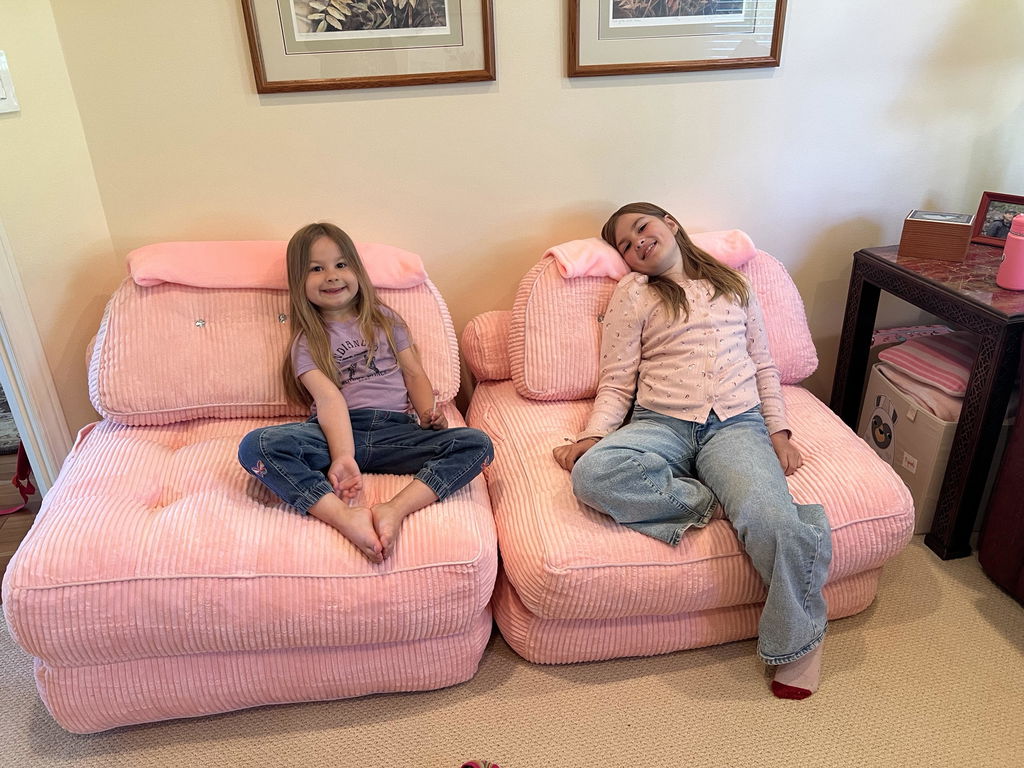
For small room dwellers in 2026, finding furniture that doesn’t overwhelm your space is a constant challenge. A slim profile sofa bed—typically 74 inches wide or less—solves this by combining seating and sleeping functions without dominating your floor plan. The key is choosing designs with raised legs, streamlined arms (4 inches or less), and quick-convert mechanisms that eliminate the need for bulky pull-out frames. NESLAKO’s Wunder puffer exemplifies this trend at $179-$219, featuring 3D corduroy upholstery and flannel fabric with a one-pull flat conversion that transforms your living room into a guest bedroom in seconds, all while maintaining a footprint compact enough for studio apartments.
Why 74 Inches Is the Magic Number for Small Spaces
The 74-inch width threshold emerged from real-world apartment constraints. Standard doorways measure 32-36 inches, and most studio apartments allocate 80-100 inches of wall space for seating areas. A sofa bed exceeding 74 inches forces awkward furniture arrangements—blocking walkways or making side tables impossible. Slim profile models in the 60-72 inch range leave breathing room for traffic flow and visual balance.
Visual weight matters as much as physical dimensions. Raised wooden legs (5-8 inches high) create an airy feel by exposing floor space beneath the frame, while bulky rolled arms add 8+ inches of unnecessary width. Compare a traditional sleeper sofa’s 82-inch footprint to a 72-inch convertible—that 10-inch difference means room for a floor lamp or easier navigation around furniture corners.
Market data from 2026 confirms this shift: slim profile sofa beds now dominate small-space searches, with consumers prioritizing quick conversion over hidden mattress compartments. The average price range spans $300-$1,700, but functionality gaps persist—many budget options sacrifice sleep comfort for compactness.
3 Types of Slim Sofa Beds That Actually Fit Tight Spaces
Convertible Chair-Style (60-71 inches): These single-occupancy designs feature adjustable backrests that recline flat into a twin-sized sleeping surface. The XSPRACER 3-in-1 supports 500 pounds and extends to 71 inches when fully flat, priced around $300-$400. Ideal for home offices doubling as guest rooms, though the narrow 21-inch seat depth limits lounging comfort for taller users.
Modular Sectionals (68-74 inches combined): Brands like HONBAY offer tool-free assembly sectionals where individual modules rearrange into bed configurations. At $400-$500, these provide flexibility but require floor space for reconfiguration. The tradeoff: modular pieces often lack unified back support when converted to sleep mode, creating a segmented feel.
Integrated Sofa Beds (72-74 inches): This category includes the NESLAKO Wunder puffer Sofa Bed, which combines flannel upholstery with high-density memory foam in a 3-in-1 design (sofa, bed, modular combo). Unlike traditional pull-out mechanisms that demand 30+ inches of clearance, the Wunder puffer’s backrest folds flat in one motion—no metal frames to wrestle or cushions to relocate. The Pink model ($179), Black model ($189), and Marshmallow ($219) versions deliver twin-bed sleep surfaces with lumbar-supporting bolster pillows, addressing the common complaint that portable sofa beds collapse under weight due to lack of structural support.
How Slim Arms and Raised Legs Prevent Visual Overwhelm
Arm width directly impacts perceived size. Traditional sofa arms measure 8-10 inches wide, adding 16-20 inches to overall dimensions. Slim-profile designs reduce this to 4-6 inches or eliminate arms entirely, reclaiming space without sacrificing armrest functionality. Armless models like certain HONBAY configurations maximize seating width within a compact frame, though some users miss the psychological “boundary” arms provide.
Leg height creates optical flow. Furniture sitting directly on the floor appears heavier and blocks sightlines across a room. Raised legs (especially tapered wooden styles) allow light and visual continuity beneath the frame, making a 72-inch sofa feel less imposing than a 68-inch floor-sitting model. This principle applies doubly in rooms with limited natural light—exposed floor reflects ambient light and prevents the “furniture cave” effect.
Streamlined silhouettes matter for narrow rooms. In spaces under 200 square feet, every protruding element (tufted backs, decorative nailheads, bulky cushions) chips away at usable area. The Wunder puffer’s clean-lined 3D corduroy exterior avoids visual clutter while the integrated bolster pillow serves triple duty: lumbar support when sitting, neck cushion when sleeping, and aesthetic accent when styled with throws.
Material Choices That Balance Comfort and Durability
Flannel upholstery advantages: Flannel’s brushed surface creates microscopic air pockets that regulate temperature—warm in winter without summer stuffiness. This matters for sofa beds used nightly, where breathability prevents the clammy feeling common with synthetic leather. Flannel also absorbs minor moisture (coffee spills, pet accidents) better than smooth fabrics, though it’s not waterproof. The NESLAKO Wunder puffer Sofa Bed uses performance-grade flannel that resists pilling and can be spot-cleaned with handheld fabric cleaners. While the cover is not machine-washable, it supports handheld cleaning solutions and is easy to maintain.
Memory foam vs. spring mechanisms: High-end sleeper sofas like the Article Soma ($1,700) use innerspring mattresses for hotel-grade sleep, but these add weight and bulk. Memory foam alternatives compress to 4-6 inches when folded, enabling slimmer profiles. The Wunder puffer’s high-memory fill responds to body contours within 30 seconds, distributing pressure to prevent the “sinking into quicksand” sensation of low-density foam. This construction rivals mid-tier mattresses for spinal alignment, making the $179 price point remarkable for dual-function furniture.
Frame durability in portable designs: Traditional portable sofa beds collapse over time because fabric alone can’t resist weight-induced sagging. Quality models incorporate internal support bars or reinforced stitching at stress points. When evaluating options, check weight capacity ratings (minimum 400 pounds for two-person use) and whether the frame maintains shape after repeated conversions.
Sizing Strategies for Rooms Under 200 Square Feet
Measure clearance, not just wall space. A 72-inch sofa needs 36+ inches of clearance in front for comfortable legroom and conversion space. In studio apartments where the sofa faces the bed or kitchen, this “dead zone” must accommodate traffic flow. Consider L-shaped room layouts where the sofa’s short side tucks into a corner, reducing perceived bulk.
Seat depth impacts lounging comfort. Standard sofa depth runs 21-24 inches, but small-space models sometimes shrink to 18-20 inches to save floor area. This works for upright sitting but frustrates users who want to curl up with laptops. The Wunder puffer’s 23-inch depth hits the sweet spot—deep enough for relaxed posture without protruding excessively into walkways.
Convertibility speed matters in tight quarters. Traditional sleeper sofas require removing cushions, clearing coffee tables, and pulling out heavy frames—a 5-10 minute ordeal. One-step conversions (like the Wunder puffer’s fold-flat backrest) take 15 seconds and don’t force furniture rearrangement. This convenience factor explains why quick-convert models dominate 2026 searches despite higher per-square-inch costs.
Comparison: Slim Sofa Bed Options for Small Rooms
The table reveals a pricing paradox: the narrowest, most space-efficient option (Wunder puffer) costs significantly less than wider alternatives, primarily because it eliminates complex pull-out hardware. For budget-conscious apartment dwellers, this represents a rare case where the compact choice is also the economical one.
Why Couples and Small Families Choose Modular Combinations
Single units work for solo living, but relationships demand flexibility. Two people sharing a 72-inch sofa face competing preferences—one wants to stretch out, the other prefers upright sitting. The Wunder puffer Étreinte Series 2 Seater Sofa Bed (starting at $319) addresses this by combining two single modules into a 144-inch sectional that separates when needed. Each person maintains their comfort zone without compromising on shared movie nights.
Ergonomic bolster pillows reduce “couch headache.” Extended screen time in poorly supported positions restricts blood flow to the head, causing dull headaches. The Wunder puffer’s 3D corduroy bolster pillow aligns the cervical spine at a 15-degree angle, preventing oxygen deprivation during three-hour Netflix binges. This design detail—often overlooked in budget furniture—explains why users report less post-sitting fatigue.
Naproom functionality justifies dual-unit investment. For families with young children or remote workers needing midday rest, a $319 two-seater functions as a dedicated nap zone that doesn’t monopolize bedroom space. The quick conversion (under 20 seconds) means impromptu rest breaks don’t disrupt household flow. Compare this to dedicating a room to a traditional guest bed—the opportunity cost in rent alone exceeds $100/month in urban markets.
Addressing the Portable Sofa Bed Collapse Problem
Weight distribution causes progressive sagging. Fabric-only portable beds lack the internal framework to counteract gravitational compression. After 50-100 sleep cycles, the center section sinks 2-3 inches lower than edges, creating a “taco shell” effect that strains the lower back. This deformation becomes permanent as fabric stretches beyond its elastic limit.
The Wunder puffer’s solution: hidden support architecture. While appearing frameless, the design incorporates reinforced seams and high-density foam blocks at weight-bearing junctions. These elements distribute pressure across the entire surface, preventing localized collapse. The result: users report consistent firmness even after six months of nightly use, with the flannel cover showing minimal wear.
Comparison to traditional metal-frame sleepers: Pull-out mechanisms avoid sagging by using rigid mattress platforms, but they introduce new problems—squeaky springs, difficult retraction, and the 30-inch floor clearance requirement. For rooms where furniture must stay against walls, this clearance demand is a dealbreaker. Integrated designs sacrifice some mattress-grade support but gain practicality in exchange.
Delivery Speed and Trial Costs: The 2026 Advantage
Fast shipping reduces decision paralysis. NESLAKO’s 2-3 day delivery window (versus 2-6 weeks for custom furniture) lowers the psychological barrier to purchasing. If the sofa doesn’t fit or meet expectations, the sunk cost is minimal—return shipping plus a few days’ inconvenience, not months of waiting for a replacement.
Low price points enable risk-free experimentation. At $179-$319, trying a Wunder puffer Sofa Bed costs less than a single month’s furniture rental or a hotel stay for visiting guests. This pricing democratizes access to dual-function furniture previously available only at luxury price tiers. The flannel upholstery and memory foam construction—features typically reserved for $800+ models—become accessible to first-apartment renters and budget-conscious homeowners.
Modular scalability future-proofs purchases. Starting with a single $179 Wunder puffer Sofa Bed and later adding a second to create the Wunder puffer Étreinte Series 2 Seater Sofa Bed ($319 total for the pair) spreads costs while testing the product. This incremental approach contrasts with all-or-nothing sectional purchases where dissatisfaction means replacing an entire $1,500+ set.
Frequently Asked Questions
Q: How do I know if a 72-inch sofa bed will fit through my apartment door? A: Measure your doorway width (typically 32-36 inches) and the sofa’s packaged dimensions. The Wunder puffer Sofa Bed ships in a compressed box under 30 inches wide, easily maneuverable through standard doorways and up staircases, with delivery in 2-3 days. Once unboxed, the flexible frame can angle through tight corners unlike rigid sleeper sofas.
Q: Can flannel sofa beds handle daily sleeping without wearing out? A: Performance flannel resists pilling and maintains softness through repeated use, though it’s not waterproof. Spot-clean spills immediately with handheld fabric cleaners. The Wunder puffer Sofa Bed’s high-memory foam retains shape better than low-density alternatives, with users reporting consistent comfort after 6+ months of nightly use. Rotate the sleeping surface monthly to distribute wear.
Q: What’s the real difference between a $179 sofa bed and an $1,700 sleeper sofa? A: Premium sleepers offer innerspring mattresses and luxury upholstery but require 30+ inches of pull-out clearance. Budget sofa beds like the Wunder puffer use memory foam and fold-flat mechanisms, trading some mattress-grade support for space efficiency and quick conversion. For small apartments where floor space is critical, the compact design often outweighs marginal sleep quality differences.
Q: How quickly can I convert the sofa to a bed when guests arrive unexpectedly? A: One-step fold-flat designs (like the Wunder puffer Sofa Bed) convert in 15-20 seconds without moving furniture or removing cushions. Traditional pull-out sleepers require 5-10 minutes of setup, including clearing the coffee table and wrestling with metal frames. This speed difference matters in studio apartments where every square foot serves multiple functions.
Making Small Spaces Work Harder, Not Bigger
The 2026 shift toward slim profile sofa beds reflects a broader acceptance that urban living requires furniture to earn its footprint. A 72-inch sofa bed that converts in seconds, costs under $200, and delivers memory foam comfort represents the convergence of design innovation and practical necessity. Brands like NESLAKO with products such as the Wunder puffer Sofa Bed that specialize in compact living solutions understand these nuances—balancing aesthetics, functionality, and affordability without forcing consumers to choose between style and space efficiency.
For anyone navigating the challenges of small-room living, the question isn’t whether to invest in a slim profile sofa bed, but which features matter most for your specific needs. Measure your space, prioritize quick conversion if you host frequently, and don’t underestimate the value of fast delivery and low trial costs. The right choice transforms a cramped apartment into a flexible, guest-ready home without sacrificing daily comfort.
Ready to reclaim your small space? Explore the NESLAKO Wunder puffer Sofa Bed collection at neslako.com and discover how 72 inches of smart design can solve your biggest furniture challenges—delivered to your door in 2-3 days.