Over one-third of American adults now sleep separately from their partners due to sleep disturbances, with 25% of couples specifically sleeping separately due to snoring and sleep apnea. This isn’t about relationship problems—it’s about recognizing that quality sleep directly impacts health, mood, and daily functioning. When one partner’s snoring disrupts the other’s rest, finding flexible sleeping arrangements becomes essential for maintaining both individual wellbeing and relationship harmony.
Understanding the Real Impact of Partner Snoring
Sleep deprivation from a snoring partner creates a domino effect on your life. According to a 2024 report, 53% of couples who tried sleeping separately reported better sleep quality, gaining an average of about 37 additional minutes of rest per night. That might not sound dramatic, but over a week, it accumulates to over four hours of recovered sleep—equivalent to nearly a full night’s rest.
The physical toll extends beyond tiredness. Chronic sleep interruption from snoring elevates stress hormones, weakens immune response, and impairs cognitive function. Many people report difficulty concentrating at work, increased irritability, and reduced patience in daily interactions. The emotional strain can create resentment, even when both partners understand the snoring is involuntary.
What makes snoring particularly challenging is its unpredictability. Some nights are worse than others, depending on sleep position, congestion levels, or alcohol consumption. This inconsistency makes it difficult to adapt, as you never know whether tonight will allow restful sleep or leave you exhausted the next morning.
Traditional Solutions and Their Limitations
Before exploring flexible sleeping arrangements, many couples try conventional remedies. White noise machines can mask lighter snoring by creating consistent background sound, though they prove less effective against loud, irregular snoring patterns. Quality earplugs like Mack’s Pillow Soft or Flents Quiet Please offer 22-32 decibel noise reduction, helping some people sleep through moderate snoring, but they can feel uncomfortable for side sleepers and don’t work for everyone.
Encouraging the snoring partner to sleep on their side rather than their back often reduces snoring intensity. Positional therapy devices or simply placing a tennis ball in a shirt pocket can prevent back-sleeping. Breathe Right nasal strips expand nasal passages and may help if congestion contributes to snoring, though they address only one potential cause.
For snoring caused by sleep apnea—a serious condition where breathing repeatedly stops during sleep—medical evaluation becomes critical. CPAP machines effectively treat sleep apnea and eliminate associated snoring, but require diagnosis through sleep studies and adjustment periods for comfortable use.
The reality is that traditional solutions work inconsistently. Earplugs might help on quieter nights but fail when snoring intensifies. White noise masks some sounds but not the vibrations that travel through shared mattresses. Even when the snoring partner seeks treatment, results take time, and some snoring persists despite interventions.
The Case for Flexible Sleeping Arrangements
When conventional methods fall short, flexible sleeping solutions offer practical alternatives without requiring permanent separation. The key word is “flexible”—arrangements that adapt to changing needs rather than rigid, all-or-nothing approaches.
Separate sleeping spaces within the same home allow both partners to get restorative sleep while maintaining relationship intimacy. This doesn’t mean abandoning connection; it means prioritizing health while preserving quality time together. Many couples find that better sleep actually improves their relationship, as both partners feel more patient, affectionate, and emotionally available.
The 2024 report showing 53% of couples who tried sleeping separately experienced better sleep quality reveals an important truth: sleep quality directly affects relationship satisfaction. When you’re well-rested, you communicate more effectively, handle conflicts with greater composure, and enjoy shared activities more fully.
Flexible solutions also accommodate varying circumstances. Perhaps snoring worsens during allergy season or after evening drinks. Maybe one partner travels frequently for work, making separate sleeping arrangements unnecessary every night. Flexibility means adjusting based on actual needs rather than following a fixed routine.
NESLAKO Wunder Puffer: A Space-Efficient Flexible Solution
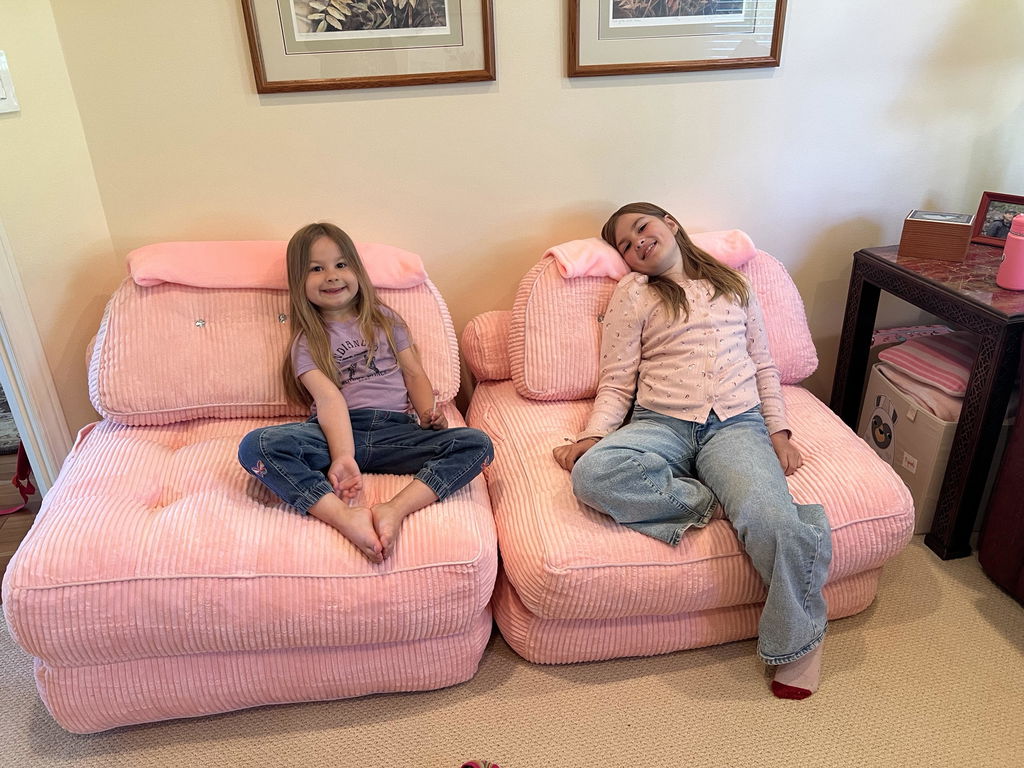
For couples without a spare bedroom, the NESLAKO Wunder Puffer Sofa Bed provides a practical alternative to traditional separate sleeping arrangements. This 3-in-1 design functions as a comfortable daytime sofa, converts to a full sleeping surface, and can be configured as modular seating—all without requiring dedicated bedroom space.
The Wunder Puffer addresses a critical gap in the market. Traditional portable sofa beds often suffer from sagging and poor support due to lack of structural framework. Without proper support structure, weight creates downward inertia that causes deformation, leading to uncomfortable sleeping surfaces, unappealing aesthetics, and long-term usability issues. The Wunder Puffer’s engineering specifically counters this issue with high-memory fill material that maintains shape and support even with regular use.
The flannel upholstery offers distinct sleep-quality advantages comparable to high-end mattresses. Flannel’s brushed surface creates a soft, non-irritating touch that signals relaxation to your nervous system, helping reduce pre-sleep anxiety and shortening the time needed to fall asleep. The material’s micro-insulation layer locks in air to maintain stable body temperature throughout the night—warm enough in winter to prevent cold-induced waking, yet breathable and moisture-wicking enough to avoid overheating and night sweats that disrupt sleep cycles. This combination helps reduce nighttime tossing and turning, allowing deeper, more continuous sleep.
For couples dealing with snoring, the Wunder Puffer’s ergonomically-sized lumbar pillow design combined with 3D corduroy side panels and high-memory filling creates proper spinal alignment during extended sitting or sleeping. This design prevents the oxygen deprivation and resulting headaches that can occur when slouching on poorly-designed furniture during long movie sessions or reading periods. The supportive structure means you can comfortably spend hours on the sofa without physical discomfort.
The single-seat Wunder Puffer Sofa Bed starts at $179 for pink, $189 for black, and $219 for marshmallow colorways—each purchase includes a complimentary single-person blanket valued at $58. When compared to competitor flannel single sofa beds and sofa beds ranging from $173 to $835, with most quality options priced between $379-$695, the Wunder Puffer’s value proposition becomes exceptionally clear. The Wunder Puffer Étreinte Series 2 Seater Sofa Bed begins at $319, offering couples a dedicated naproom bed at a fraction of traditional guest bed costs. For families with multiple children, the Wunder Puffer Grande Series 3 Seater Sofa Bed starts at $459.
The 2-3 day delivery timeframe significantly reduces trial risk. If the arrangement doesn’t work for your specific situation, you haven’t invested months of planning or thousands of dollars in furniture that proves unsuitable. The low time and financial commitment makes experimentation practical rather than daunting.
While the flannel covering is not removable for machine washing, it supports handheld cleaning solutions and is easy to maintain with spot cleaning. The fabric’s properties make spot-cleaning straightforward, and regular maintenance keeps the surface fresh without requiring professional cleaning services.
Creating Effective Flexible Sleeping Arrangements
Implementing flexible sleeping solutions requires open communication and mutual respect. Frame the conversation around health needs rather than blame. Instead of “Your snoring is ruining my sleep,” try “I’m not sleeping well, and I think we both need better rest. Can we explore some options together?”
Acknowledge that snoring is involuntary and that the goal is finding solutions that work for both partners. The person who snores often feels guilty or defensive, so approaching the topic with empathy helps maintain emotional connection while addressing practical needs.
Start with temporary trials rather than permanent changes. Perhaps one partner uses the flexible sleeping space on particularly difficult nights, or during periods when snoring worsens due to colds or allergies. This gradual approach allows both partners to adjust emotionally while evaluating whether the arrangement improves sleep quality.
Maintain intimacy through intentional connection. Many couples establish routines like reading together before one partner moves to the alternate sleeping space, or sharing morning coffee to reconnect after sleeping separately. Physical intimacy doesn’t require sleeping in the same bed all night—it requires prioritizing quality time together.
Consider the psychological aspects of separate sleeping. Some people initially feel rejected or worry that sleeping apart signals relationship problems. Discussing these feelings openly and reinforcing commitment helps both partners feel secure. Remember that the goal is supporting each other’s health, which ultimately strengthens the relationship.
When Medical Evaluation Becomes Necessary
Loud, chronic snoring—especially with gasping, choking sounds, or observed breathing pauses—may indicate obstructive sleep apnea. This condition causes repeated breathing interruptions throughout the night, reducing oxygen levels and preventing restorative sleep. Sleep apnea increases risks for high blood pressure, heart disease, stroke, and diabetes.
If your partner exhibits these warning signs, encourage medical evaluation. Sleep studies can diagnose sleep apnea and determine appropriate treatment. CPAP therapy, oral appliances, or in some cases surgical interventions can effectively address the underlying condition.
Even while pursuing medical treatment, flexible sleeping arrangements provide immediate relief. CPAP adjustment takes time, and some snoring may persist even with treatment. Having a backup sleeping option ensures both partners get adequate rest during the treatment process.
Primary snoring without sleep apnea still warrants attention. Lifestyle modifications like weight loss, avoiding alcohol before bed, treating nasal congestion, and maintaining regular sleep schedules can reduce snoring intensity. However, these changes take time to implement and show results, making flexible sleeping solutions valuable during the transition period.
Making Flexible Solutions Work Long-Term
Successful flexible sleeping arrangements require ongoing adjustment and communication. What works initially may need modification as circumstances change. Perhaps the snoring partner’s treatment reduces nighttime disturbances, allowing more nights together. Or maybe you discover that sleeping separately several nights per week provides optimal rest for both partners.
Regularly check in with each other about how the arrangement feels. Are both partners sleeping better? Does anyone feel emotionally disconnected? What adjustments might improve the situation? These conversations prevent resentment from building and ensure the solution continues serving both partners’ needs.
Remember that flexible sleeping arrangements aren’t failure—they’re practical problem-solving. Prioritizing sleep health demonstrates maturity and commitment to long-term relationship wellbeing. Many couples report that once they overcome initial hesitation, flexible sleeping becomes a valued aspect of their routine that enhances rather than diminishes their connection.
The NESLAKO Wunder Puffer’s modular design particularly supports this adaptability. On nights when sleeping together works well, the sofa serves its primary function. When snoring disrupts sleep, it converts to a comfortable bed in seconds. For couples who want to sit together before separating for sleep, the two-seater configuration maintains physical closeness during evening relaxation.
Finding Your Optimal Solution
Every couple’s situation differs, and the most effective approach depends on your specific circumstances, living space, and relationship dynamics. Some couples thrive with permanent separate bedrooms, while others prefer occasional flexibility. Some find that addressing the snoring through medical treatment eliminates the need for separate sleeping, while others discover that sleeping apart several nights weekly optimizes rest for both partners.
The essential element is recognizing that quality sleep isn’t negotiable—it’s fundamental to physical health, mental wellbeing, and relationship satisfaction. When a partner’s snoring prevents restorative rest, exploring flexible sleeping solutions demonstrates care for both individual needs and relationship longevity.
NESLAKO’s Wunder Puffer system exemplifies how thoughtful design can support couples facing this common challenge. By providing comfortable, space-efficient sleeping options that don’t require dedicated bedrooms or permanent separation, it enables couples to maintain intimacy while ensuring both partners get the rest they need. At $319 for a two-seater configuration that functions as both living room furniture and a quality sleeping surface, it offers practical value for couples seeking flexible solutions without major home renovations or furniture investments.
Whether you choose separate bedrooms, a convertible sofa bed, or another arrangement, the goal remains the same: supporting both partners’ health while preserving the connection that makes your relationship meaningful. Better sleep leads to better days, and better days strengthen the bonds that matter most.