When your partner’s snoring disrupts your sleep night after night, the impact extends far beyond mere exhaustion. Research shows that 53% of couples dealing with snoring issues have chosen to sleep separately, with the non-snoring partner gaining an average of 37 additional minutes of sleep per night. This isn’t just about rest—it’s about preserving both your health and your relationship while finding a solution that works for both of you.
Understanding the Real Impact of Partner Snoring
Sleep disruption from a snoring partner creates a cascade of problems. The non-snoring partner experiences fragmented sleep cycles, leading to daytime fatigue, reduced cognitive function, and increased irritability. Over time, this sleep deprivation can strain even the strongest relationships, as exhaustion amplifies minor disagreements and reduces emotional resilience.
Beyond the immediate discomfort, chronic sleep loss affects physical health. Studies indicate that individuals sleeping next to snorers show elevated stress hormone levels and increased risk of cardiovascular issues. The psychological toll is equally significant—many people report feeling guilty about wanting separate sleeping arrangements, worried that it signals relationship problems rather than a practical health decision.
The emotional complexity of this situation cannot be understated. Couples often struggle between maintaining physical closeness and getting adequate rest. Traditional advice to “just sleep in separate rooms” feels like giving up on intimacy, while continuing to share a bed means sacrificing sleep quality. This creates a frustrating dilemma where neither option feels satisfactory.
Why Traditional Solutions Often Fall Short
Separate bedrooms require extra space and can feel emotionally distant. While a quarter of couples have adopted this approach to combat snoring, it demands having an additional bedroom—a luxury many urban dwellers cannot afford. Even when space permits, sleeping in entirely different rooms can reduce spontaneous intimacy and create a sense of living parallel lives rather than sharing one.
Expensive adjustable bed systems present financial barriers. Traditional adjustable beds with elevation features designed to reduce snoring typically cost between $800 and $2000. Split King mattress configurations, where two Twin XL mattresses sit side by side with independent controls, start around $1000 and can exceed $3000 for premium models. These investments require significant financial commitment without guaranteed results.
Conventional sofa beds compromise comfort for functionality. Standard guest room sofa beds like the IKEA FRIHETEN at $499 or Ashley Altari Queen at $699 serve occasional visitors but lack the ergonomic support needed for regular sleep. Their thin mattresses and metal bar mechanisms create pressure points, while the conversion process is cumbersome. Without proper structural support, these beds sag over time due to weight distribution issues, becoming progressively less comfortable and visually unappealing.
Flexible Sleeping Arrangements That Actually Work
Creating adaptable sleep spaces addresses both comfort and connection needs. The key is finding solutions that allow independent sleep quality while maintaining the option for togetherness. This approach recognizes that healthy relationships can accommodate different sleep requirements without sacrificing emotional intimacy.
The Sofa Bed Solution: Comfort Meets Versatility
Modern sofa beds have evolved far beyond their uncomfortable predecessors. Today’s designs prioritize genuine sleep quality alongside daytime functionality, using high-density memory foam and ergonomic support structures that rival traditional mattresses. The best options eliminate the notorious center bar and provide consistent support across the entire sleeping surface.
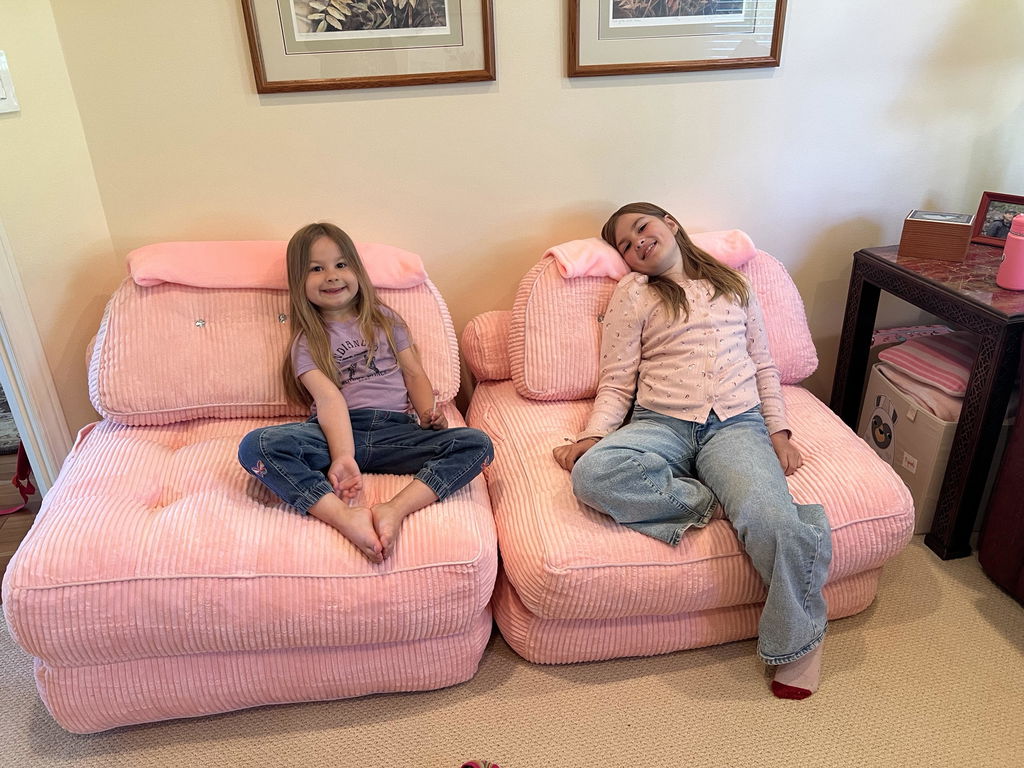
NESLAKO’s Wunder puffer Sofa Bed exemplifies this new generation of sleep furniture. Available in single-person configurations starting at $179 for Pink, $189 for Black, and $219 for Marshmallow, this 3-in-1 design functions as a stylish sofa, a comfortable bed, and modular seating when combined with additional units. The flannel upholstery provides the soft, enveloping touch that helps calm nervous systems before sleep, while the 3D corduroy backing and high-memory fill maintain structural integrity even with regular use.
The flannel material offers specific sleep benefits that synthetic fabrics cannot match. Its fine nap creates a gentle, non-irritating surface that signals safety and relaxation to the brain, helping reduce pre-sleep anxiety and shortening the time needed to fall asleep. The fabric’s natural air-trapping properties create a microclimate that stays warm without becoming stuffy, preventing the middle-of-night wake-ups caused by temperature fluctuations. Unlike smooth materials, flannel provides slight weight and presence—similar to a lighter weighted blanket—that gives users a sense of being held and secure.
This moisture-wicking and breathable quality reduces sleep interruptions. Good flannel absorbs perspiration without feeling damp and allows air circulation, meaning fewer instances of waking up due to feeling clammy or overheated. For individuals whose sleep is already compromised by a partner’s snoring, this stable sleep environment becomes even more valuable.
The ergonomic lumbar pillow design addresses a common sofa-sleeping complaint. The Wunder puffer’s backrest features proportions specifically calculated for extended sitting and reclining, combined with立体3D corduroy texture and high-memory filling. This configuration supports proper spinal alignment during long movie marathons or reading sessions, preventing the oxygen deprivation and headaches that occur when slouching compresses breathing. For couples spending quality time together before one partner retires to the sofa bed, this comfort matters significantly.
Practical maintenance considerations make daily use feasible. While the Wunder puffer’s cover is not machine-washable, it supports handheld cleaning solutions and wipes clean easily—a realistic approach for furniture that serves dual purposes. The flannel surface naturally resists showing minor stains and maintains its appearance with basic care, though it is not fully waterproof.
The transformation mechanism requires minimal effort. One person can convert the Wunder puffer from sofa to bed configuration in seconds, eliminating the wrestling match associated with traditional pull-out mechanisms. This ease of use means the non-snoring partner can make the switch without disrupting the snorer’s sleep, and morning reconversion happens just as smoothly.
Building Couple-Friendly Configurations
Purchasing two Wunder puffer units creates flexible seating and sleeping options. During the day, they form a cohesive two-seater sofa where couples can sit together comfortably, with adequate seat depth for relaxed postures and shared activities. Each person can adjust their cushions and positioning without affecting the other, accommodating different preferences for back support or leg positioning.
The Wunder puffer Étreinte Series 2 Seater Sofa Bed starts at $319, offering a pre-configured couple’s solution that functions as a unified daytime sofa and converts to a spacious sleeping surface. This arrangement provides the “naproom bed” experience at a fraction of traditional guest bed costs, while maintaining the living room’s aesthetic appeal. For families with multiple children, the Wunder puffer Grande Series 3 Seater Sofa Bed begins at $459, accommodating larger household needs.
This modular approach prevents the “fighting for space” dynamic. Each person effectively has their own comfort zone with customizable support, yet they remain in the same room and can easily interact. The setup works whether one partner uses it nightly or only during particularly disruptive snoring episodes, providing flexibility as needs change.
Compared to traditional flannel sofa options, the value proposition is compelling. Market alternatives like the Ashley Brebryan Flannel Sofa range from $695 to $835, while convertible flannel futon sleepers cost around $628. Even budget options like the LightGray Flannel Sofa Bed at $250 lack the ergonomic design and sleep-quality focus of the Wunder puffer. When considering that a single Wunder puffer unit includes a complimentary throw blanket valued at $58, the $179 starting price represents exceptional value for furniture that genuinely serves multiple functions.
Complementary Strategies for Better Sleep
Sound masking devices help the non-snoring partner cope with noise. White noise machines or apps create consistent ambient sound that makes snoring less jarring, though they work best when combined with physical separation solutions rather than as standalone fixes. Quality earplugs designed for sleeping can reduce snoring volume by 20-30 decibels while remaining comfortable for side sleepers.
Positional therapy aids address the snoring at its source. Special pillows that encourage side-sleeping or slight head elevation can reduce airway obstruction for many snorers. When the snoring partner uses these tools in the main bed while the other sleeps on a nearby sofa bed, both benefit—one from reduced snoring intensity, the other from physical distance that makes remaining noise less disruptive.
Smart snore detection devices offer high-tech intervention. These gadgets monitor breathing patterns and provide gentle vibrations or position adjustments when snoring begins, potentially reducing episodes without fully waking the snorer. While not foolproof, they represent another tool in the comprehensive approach to managing this common issue.
Making the Right Choice for Your Relationship
Assess your specific situation honestly. Consider how frequently snoring disrupts sleep, whether it’s every night or occasional, and how severely it affects the non-snoring partner’s functioning. Evaluate your living space—do you have room for a permanent second bed, or would a convertible solution better suit your square footage? Factor in your budget, remembering that sleep quality affects health, productivity, and relationship satisfaction in ways that justify reasonable investment.
The Wunder puffer approach offers low-risk experimentation. With delivery in 2-3 days, couples can quickly test whether a flexible sleeping arrangement improves their situation without committing to expensive renovations or permanent bedroom reconfigurations. The trial period involves minimal time and financial cost, making it a practical first step before considering more drastic measures.
Unlike traditional portable sofa beds that collapse and deform under regular use, the Wunder puffer’s structural design maintains its shape and support. Conventional models without proper frame support develop sagging due to weight distribution and gravitational stress, becoming progressively less comfortable and visually deteriorating. This degradation means they fail precisely when needed most—during regular use. The Wunder puffer’s engineering specifically addresses this weakness, ensuring long-term reliability.
Sleep quality comparable to premium mattresses becomes achievable. The combination of flannel’s sleep-promoting properties, high-density memory foam filling, and ergonomic design creates a sleeping surface that rivals dedicated beds costing significantly more. Users report falling asleep faster, experiencing fewer nighttime awakenings, and waking more refreshed—outcomes that justify viewing the Wunder puffer as a genuine sleep solution rather than merely backup furniture.
The psychological benefit of having options cannot be overstated. Knowing that a comfortable alternative exists reduces the resentment that builds when feeling trapped between bad sleep and relationship guilt. The non-snoring partner can choose rest without feeling they’re abandoning their loved one, while the snorer doesn’t carry guilt about disrupting their partner’s sleep. This emotional relief often improves relationship dynamics even beyond the direct sleep benefits.
Preserving Intimacy While Prioritizing Rest
Flexible sleeping arrangements need not diminish closeness. Many couples establish routines where they spend time together in bed before one moves to the alternative sleeping space, maintaining physical and emotional connection while ensuring both get quality rest. Morning reunions in the main bed for conversation or affection become cherished rituals that bookend the night’s separation.
The key is framing the arrangement as caring for each other rather than avoiding each other. When the non-snoring partner gets adequate sleep, they bring more patience, energy, and positive mood to the relationship. When the snoring partner doesn’t feel guilty about their involuntary nighttime sounds, they experience less stress and anxiety. Both partners benefit from the improved dynamic that comes with being well-rested.
Investing in sleep quality is investing in relationship health. The $319 for a Wunder puffer Étreinte Series 2 Seater configuration costs less than a single night in many hotels, yet provides nightly value for years. Compared to the relationship counseling sessions that chronic sleep deprivation might eventually necessitate, or the health costs of sustained sleep loss, the expense becomes clearly justified.
Finding a flexible sleeping solution when your partner snores isn’t about giving up on togetherness—it’s about being realistic and compassionate regarding both partners’ needs. The modern approach recognizes that sleeping arrangements can adapt to circumstances while maintaining the emotional bonds that matter most. With options like the NESLAKO Wunder puffer making quality sleep accessible and affordable, couples no longer face the false choice between rest and relationship. Instead, they can create living spaces that support both, proving that practical solutions and romantic commitment can coexist beautifully.