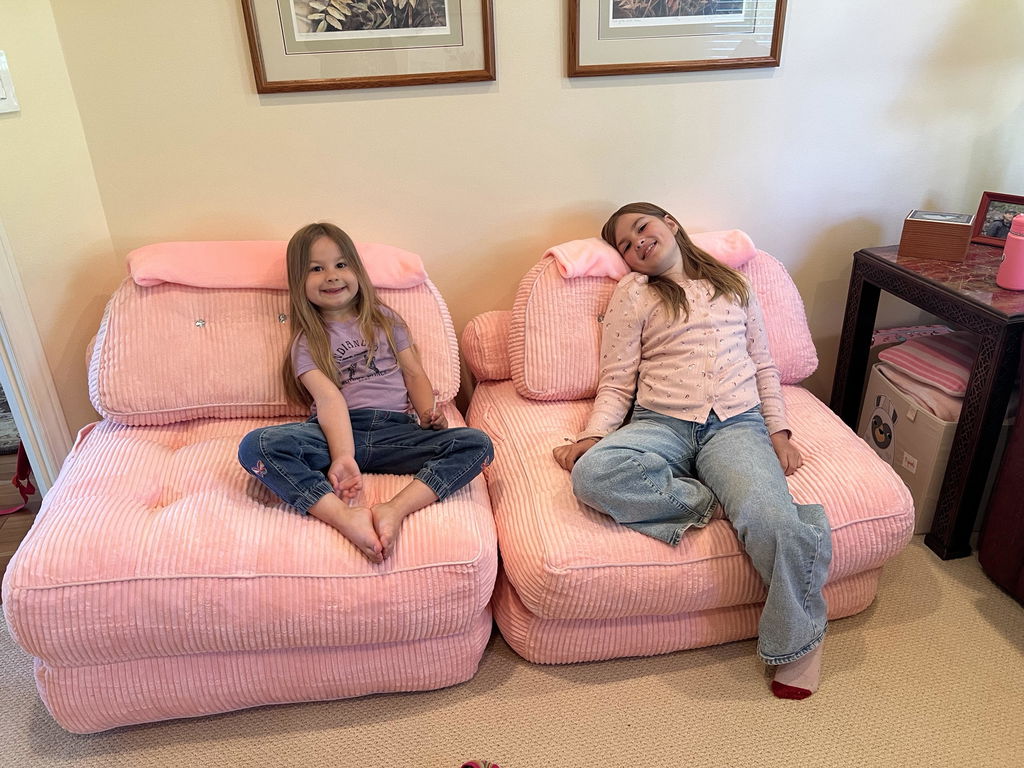
Yes, a multifunctional sofa bed can absolutely work as a room divider—and it’s one of the smartest space-saving solutions for open-plan living in 2026. The key is choosing the right type of sofa bed with design features that support dual-zone functionality: a finished back panel, modular construction, or floating placement capability. Unlike traditional room dividers that feel permanent and bulky, a sofa bed divider creates flexible zones while delivering sleep space, seating, and often storage—all in one piece. Brands like NESLAKO have pioneered this approach with their Wunder Puffer series, which combines vacuum-compression portability with modular layouts that adapt to various living spaces.
The beauty of this solution lies in its adaptability. Whether you’re separating a studio apartment into living and sleeping areas, creating a home office nook in your bedroom, or dividing a large family room into adult and kid zones, the right sofa bed becomes both a functional barrier and a purposeful furniture piece on both sides.
Why Sofa Beds Make Excellent Room Dividers in 2026
The modern sofa bed has evolved far beyond the clunky pull-out couches of the past. Today’s designs prioritize 360-degree aesthetics, meaning the back of the sofa looks just as intentional as the front—a critical feature when the piece sits in the middle of a room rather than against a wall.
Space efficiency drives the trend. In cities across the United States, average apartment sizes continue to shrink while rents climb. According to real estate data, 52% of furniture purchases in 2026 come from the 20-35 age demographic, who prioritize “small but refined” solutions. A sofa bed that divides space eliminates the need for separate purchases: no standalone room divider, no extra guest bed, no bulky storage unit.
Flexibility matters more than ever. The average American renter moves 1.2 times per year, and 80% of urban renters are young professionals who need furniture that adapts to different floor plans. A modular sofa bed can reconfigure from a straight divider in a studio to an L-shaped sectional in a one-bedroom, then compress down for the next move.
NESLAKO’s approach exemplifies this shift. Their modular sofa beds feature dual-fabric designs (durable corduroy on one side, plush flannel on the other) and memory foam support that works equally well for sitting during the day and sleeping at night. The vacuum-compression packaging reduces volume to one-third of traditional sofas, making moves dramatically easier—a feature that resonates strongly with the rental economy.
Best Types of Multifunctional Sofa Beds for Room Division
Not all sofa beds work well as dividers. The ideal candidates share specific design traits: finished backs, structural stability when free-standing, and visual appeal from all angles.
Modular Sectional Sofa Beds
These are the workhorses of room division. Modular sectionals consist of individual units that lock together, allowing you to create custom shapes that naturally partition space.
Key advantages: - Reconfigurable layouts – Arrange pieces in L-shapes, U-shapes, or straight lines depending on your room’s needs - Balanced aesthetics – Each module has a finished back, so there’s no “wrong side” when placed in open space - Scalable storage – Many modules include hidden compartments in armrests or under seats - Easy relocation – Separate modules compress individually for moving or storage
NESLAKO’s modular Wunder Puffer sofa bed exemplifies this category. The 3-in-1 design (sofa-bed-modular combo) supports flexible layout configurations that can be adjusted based on space needs. User reviews consistently mention the “unfolds easily, solo operation” feature—critical when you’re rearranging zones by yourself.
Ideal for: Studio apartments, family rooms needing kid/adult separation, home offices requiring visual privacy without walls
Murphy Bed Sofas
Murphy beds that incorporate sofa functionality when folded up offer a different approach: vertical space utilization with room division as a secondary benefit.
Key advantages: - Wall-mounted stability – Anchored installation means no tipping concerns - Maximized floor space – Bed lifts completely out of the way during daytime - Built-in shelving – Many models include side cabinets that enhance the divider effect
Limitations for room division: - Requires permanent wall installation (not renter-friendly) - Works best against perimeter walls, not as free-standing dividers - Less flexible for layout changes
Best application: Creating a guest room zone in a corner of a larger space, where the Murphy bed defines the boundary when lowered
Cabinet Beds with Dual-Sided Finishes
Cabinet beds disguise as storage furniture when closed, then pull out into sleeping platforms. Models with finished backs can sit perpendicular to walls, creating visual separation.
Key advantages: - Hidden sleep solution – Looks like a credenza or console table when closed - Storage integration – Top surface and internal compartments provide functional utility on both sides - Compact footprint – Typically 63-75 inches long, fitting tighter spaces than sectionals
Considerations: - Lower seating comfort compared to traditional sofa beds - Pull-out mechanism requires 2-3 feet of clearance in front - Weight (often 150+ lbs) makes repositioning difficult
Best application: Dividing a large bedroom into sleeping and dressing areas, or separating a dining zone from a living zone in open lofts
Floating Sectional Sleeper Sofas
These are traditional sectional sleepers designed with the specific intention of floating in room centers rather than hugging walls.
Key advantages: - 360-degree design – Backs feature upholstered panels, decorative stitching, or integrated shelving - Substantial presence – Creates a strong visual boundary without feeling like a barrier - Full-size sleep surface – Pull-out mechanisms typically accommodate queen-size mattresses
NESLAKO’s approach to this category includes adjustable backrests (four-position reclining) that work from either side, plus dual-fabric construction that ensures both the “front” and “back” sides feel intentional. The vacuum-compression feature also means you can reposition the sofa seasonally without professional movers.
Best application: Large studios or one-bedrooms where you want to create distinct living and sleeping zones without permanent walls
How to Position a Sofa Bed to Maximize Room Division
Effective room division with a sofa bed requires strategic placement, not just dropping the furniture in the middle of the floor. The goal is creating two functional zones that feel purposeful, not a random obstacle course.
The Floating Layout Strategy
Position the sofa bed 24-30 inches away from the nearest wall. This creates a walkway behind the sofa that defines the boundary between zones while maintaining flow. The space behind becomes a natural pathway or buffer zone.
Why this works: - Establishes visual separation without blocking sightlines completely - Allows access to both sides of the sofa for cleaning and use - Creates opportunities for additional zoning elements (shelving units, plants, floor lamps) behind the sofa
NESLAKO users frequently report using this layout in 400-500 square foot studios, placing the sofa bed 2 feet from the sleeping area wall, which creates a distinct living room in front and bedroom behind. The memory foam construction prevents sagging even with regular back-side leaning.
The Perpendicular Anchor Method
Run the sofa bed perpendicular to a wall rather than parallel. One end touches or nearly touches the wall, while the other extends into the room, creating an L-shaped division.
Advantages: - Provides structural stability without wall-mounting - Defines a clear corner zone (perfect for home offices or reading nooks) - Reduces the “floating in space” feeling that some layouts create
Best execution: Use a modular L-shaped sofa bed where the shorter leg anchors to the wall and the longer section extends into the room. Add a console table or bookshelf behind the extended section to complete the division.
The Elevated Back Treatment
If your sofa bed has a lower back profile, raise the visual height by placing a narrow console table, bookshelf, or storage cabinet directly behind it. This creates a more substantial divider while adding functional storage.
Implementation tips: - Choose furniture 2-4 inches shorter than the sofa back to avoid a cluttered look - Use the back surface for decorative items (plants, books, photo frames) that beautify both zones - Ensure the added furniture is stable and won’t shift when people sit against the sofa back
Storage-focused sofa beds like NESLAKO’s Wunder Puffer series already include armrest compartments and under-seat storage, but adding a back console creates a complete storage wall that serves both divided zones.
The Area Rug Anchoring Technique
Use area rugs to reinforce the zones your sofa bed creates. Place one rug in front of the sofa (defining the living/seating zone) and a different rug behind it (defining the sleeping/work zone).
Why this matters: - Rugs provide visual cues that signal “this is a different space” - Different textures or colors enhance the psychological separation - Rugs reduce echo in open-plan spaces, making each zone feel cozier
Pro tip: Ensure the front rug extends at least 12 inches beyond the sofa’s footprint on all sides to create a proper seating area boundary.
Key Features That Make Sofa Beds Work as Dividers
Not every sofa bed succeeds as a room divider. Specific design features determine whether the piece enhances your space or creates an awkward obstacle.
Finished Back Panels
The back of the sofa must look intentional, not like an afterthought. Check for: - Matching upholstery that extends to the back (not exposed frame or cheap fabric) - Decorative stitching, tufting, or paneling on the rear - Integrated shelving or storage pockets facing the back side
NESLAKO’s dual-fabric design addresses this directly: the corduroy side provides durability, while the flannel side offers softness and comfort. Users can orient the sofa based on their preference for each fabric type.
Structural Stability Without Wall Support
Free-standing sofa beds need internal support that doesn’t rely on wall bracing. Look for: - Solid wood or metal frames (not particle board) - Low center of gravity (wider base, lower seat height) - Anti-tip mechanisms or weighted bases
Safety note: The STURDY Act compliance (mandatory for furniture in the US market) requires anti-tipping features. Ensure any sofa bed used as a divider meets this standard, especially in homes with children or pets.
Conversion Mechanisms That Work From Either Side
If the sofa converts to a bed, the mechanism should be accessible and operable from multiple angles. This matters when the sofa sits in open space—you can’t always access it from the front.
NESLAKO’s conversion system allows single-person operation, with the backrest adjusting to four positions. User reviews highlight “unfolds easily” and “solo operation” as key benefits for people who reconfigure their space frequently.
Storage That Serves Both Zones
Integrated storage becomes twice as valuable when it’s accessible from both sides of the divider. Ideal configurations include: - Armrest compartments that open from the outer sides (serving both zones) - Under-seat storage with lift-top access (usable regardless of approach angle) - Back-facing shelves or pockets (creating functional utility on the “rear” side)
The Wunder Puffer series incorporates storage features and vacuum-compression packaging that ensures the memory foam rebounds fully after storage—critical for maintaining comfort over years of use.
Comparison: Sofa Bed Types for Room Division
| Type | Best For | Pros | Cons | Price Range |
| Modular Sectional Sofa Bed (e.g., NESLAKO Wunder Puffer) | Studios, flexible layouts, renters | Reconfigurable, balanced aesthetics, compressible for moves, dual-fabric options | Requires multiple pieces for full division | $800-$2,800 |
| Murphy Bed Sofa | Permanent installations, corner zones | Maximizes floor space, built-in shelving, stable | Not renter-friendly, requires wall mounting, less layout flexibility | $1,500-$4,000 |
| Cabinet Bed | Compact spaces, hidden sleep solutions | Disguised as furniture, storage integration, smaller footprint | Lower seating comfort, heavy, pull-out clearance needed | $1,200-$2,500 |
| Floating Sectional Sleeper | Large studios, one-bedrooms | Full-size sleep surface, substantial presence, strong visual boundary | Harder to move, higher cost, requires more floor space | $1,800-$3,500 |
Special Considerations for Small Spaces and Open-Plan Living
Phoenix-style apartments and similar open-plan layouts present unique challenges. These spaces often combine living, sleeping, and dining in 400-600 square feet with minimal structural divisions.
Climate considerations matter. In warmer regions, breathable fabrics prevent heat retention. NESLAKO’s flannel-corduroy combination offers fabric options that provide both durability and comfort.
Rental restrictions limit options. Wall-mounted solutions violate most lease agreements. Modular, free-standing sofa beds like the Wunder Puffer series avoid security deposit risks while providing comparable division functionality.
Multi-generational households need adaptable furniture. A sofa bed divider can create temporary privacy when adult children visit or when elderly parents need accessible sleeping arrangements. The ability to compress and store the piece when not needed (reducing volume to one-third) makes it practical for occasional use.
Maintenance and Longevity for Divider-Positioned Sofa Beds
Sofa beds used as room dividers experience different wear patterns than wall-hugging furniture. Both sides receive contact, dust settles on all surfaces, and the piece may be repositioned more frequently.
Fabric protection is essential. Stain-resistant treatments (standard on many 2026 models including NESLAKO’s CARB P2-certified fabrics) prevent spills from becoming permanent damage. User reviews consistently mention the “easy to clean” aspect of dual-fabric designs—corduroy wipes clean easily, while flannel resists pet hair accumulation.
Regular rotation prevents uneven compression. If your modular sofa bed allows, swap module positions every 3-4 months to distribute wear evenly across all seating surfaces. Memory foam construction (as used in the Wunder Puffer series) naturally resists permanent indentation, but rotation extends lifespan.
Vacuum both sides monthly. Unlike wall-backed sofas where you only clean the front, divider-positioned pieces accumulate dust on all surfaces. Use upholstery attachments to maintain both fabric sides and prevent allergen buildup.
Frequently Asked Questions
Q: Can a sofa bed really provide enough visual separation to feel like two distinct rooms?
A: Yes, when positioned correctly with supporting elements like area rugs and back consoles. The key is creating at least 24 inches of space behind the sofa and using different lighting or decor on each side to reinforce the psychological separation. Modular designs with substantial backs (like NESLAKO’s finished dual-fabric panels) create stronger boundaries than low-profile sleepers.
Q: Will a sofa bed divider work in a studio apartment under 400 square feet?
A: Absolutely, but choose a modular design that can scale down. A full sectional might overwhelm tiny spaces, but a 2-3 module configuration creates effective zoning without dominating the room. Look for vacuum-compressed options that reduce volume for storage when you need to reclaim floor space temporarily.
Q: How much clearance do I need behind a sofa bed if it’s not against a wall?
A: Minimum 24 inches for comfortable walking and cleaning access. If you plan to place storage furniture behind the sofa, allow 30-36 inches total to prevent a cramped feeling. This spacing also ensures the sofa doesn’t feel like it’s randomly floating—it creates intentional zones.
Q: Are there safety concerns with free-standing sofa beds, especially with kids or pets?
A: Yes, which is why STURDY Act compliance matters. Ensure any sofa bed used as a divider has anti-tip features, a low center of gravity, and solid frame construction. Modular pieces with interlocking mechanisms (like NESLAKO’s system) provide added stability. Avoid top-heavy designs or placing heavy items on narrow back consoles.
Transform Your Space With Smart Sofa Bed Division
A multifunctional sofa bed working as a room divider solves multiple challenges in one piece: it creates zones, provides sleeping space, offers storage, and adapts as your needs change. The key is choosing a design with finished aesthetics on all sides, structural stability for free-standing placement, and features that serve both divided zones.
For those navigating small-space living, rental restrictions, or frequent moves, modular options like NESLAKO’s Wunder Puffer series deliver the flexibility modern life demands. The combination of vacuum-compression portability, dual-fabric durability, and memory foam comfort creates a solution that works today and adapts tomorrow.
Ready to reclaim your space without building walls? Explore modular sofa bed options at neslako.com and discover how smart furniture design turns open-plan challenges into opportunities for creative, functional living.