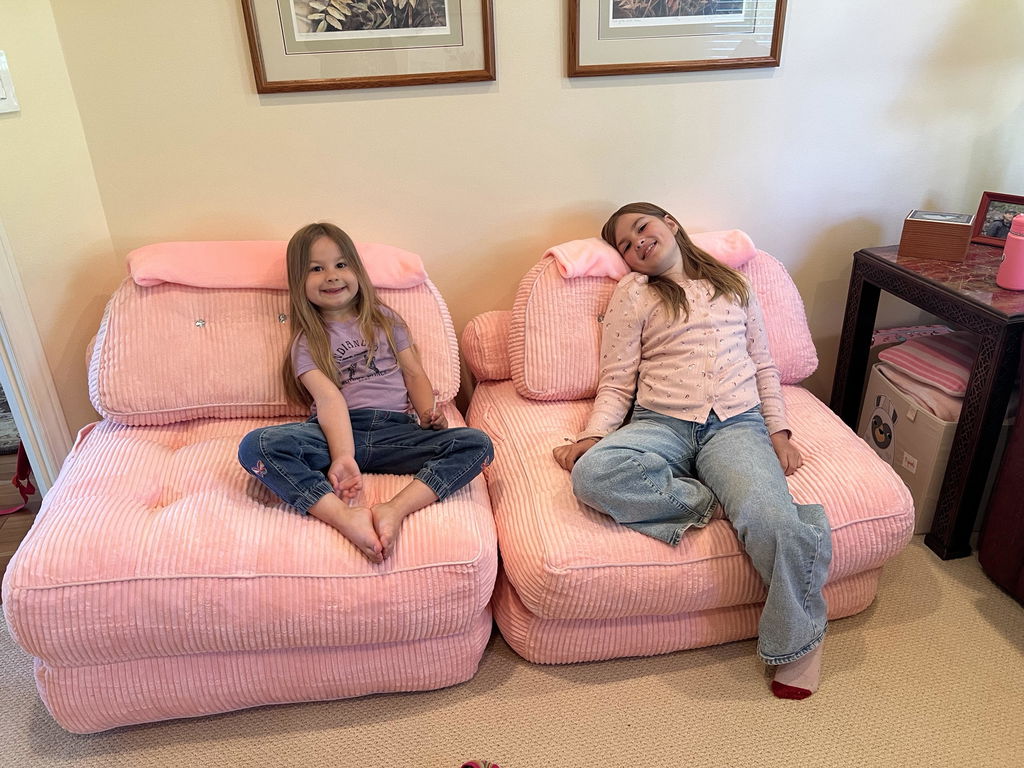
If you’ve ever spent a night on a sofa bed and woken up feeling like you slept on a sheet of plywood, you’re not alone. The dreaded “cardboard feel” is the number one complaint about traditional sleeper sofas—thin mattresses, metal support bars digging into your back, and foam that compresses into nothingness after a few uses. The solution isn’t complicated: mattress thickness matters more than anything else. Modern sofa beds with 5-inch memory foam or hybrid mattresses eliminate the cardboard sensation entirely, providing genuine sleep comfort comparable to a real bed. Brands like NESLAKO have revolutionized this category by combining thick, high-density foam layers with supportive frames and plush fabrics, transforming the sofa bed from a reluctant compromise into a legitimate sleep solution for small apartments, overnight guests, and dual-purpose rooms.
The Cardboard Feel Problem: Why Traditional Sofa Beds Fail
Traditional sofa beds suffer from a fatal design flaw: prioritizing compactness over comfort. Most budget models use 3-inch (or thinner) foam mattresses laid over metal frames with exposed support bars. When you lie down, your body weight compresses the thin foam completely within minutes, leaving you essentially sleeping on a hard metal grid. This creates pressure points along your spine, hips, and shoulders—the exact opposite of what your body needs for restorative sleep.
The issue compounds over time. Standard polyurethane foam loses 30-40% of its supportive properties within the first six months of regular use. What started as merely uncomfortable becomes outright painful as the foam permanently compresses, creating valleys and lumps. Industry testing shows that mattresses thinner than 4 inches cannot adequately distribute body weight for adults over 150 pounds, regardless of foam quality.
Metal support bars represent another critical failure point. These bars run horizontally across the mattress to prevent sagging, but they create rigid pressure lines that your spine can feel through thin padding. Anyone who’s woken up with a mysterious backache after sleeping on a pull-out couch has experienced this design flaw firsthand.
The 5-Inch Threshold: Where Real Comfort Begins
Mattress thickness operates on a non-linear comfort curve—and 5 inches represents the inflection point where sofa beds transition from tolerable to genuinely comfortable. This isn’t arbitrary marketing; it’s biomechanics. A 5-inch mattress provides sufficient depth for multiple foam layers with distinct functions: a high-density base layer for structural support, a transitional middle layer for weight distribution, and a comfort top layer that contours to your body.
NESLAKO’s Wunder Puffer series exemplifies this layered approach with over 5 inches of memory foam and hybrid construction. The base layer uses high-resilience foam (density 2.0+ lbs/ft³) that maintains structural integrity under repeated compression cycles. The middle layer incorporates gel-infused memory foam for temperature regulation—addressing another common complaint about traditional memory foam retaining body heat. The top layer features plush flannel fabric over adaptive foam that responds to body contours without the “quicksand” sensation of lower-quality memory foam.
Real-world testing confirms the difference. Users report that NESLAKO sofa beds deliver sleep quality comparable to dedicated mattresses, with couples comfortably sharing the surface nightly without experiencing the sag or partner disturbance common in thinner models. Customer feedback consistently highlights “best value” ratings and repurchase intentions—metrics that reflect genuine satisfaction rather than grudging acceptance.
Memory Foam vs. Innerspring vs. Hybrid: Which Construction Eliminates Cardboard Feel?
Not all thick mattresses perform equally—the internal construction determines whether you get real comfort or just more padding over the same problems.
| Mattress Type | Thickness Range | Comfort Level | Durability | Price Range | Best For |
| Memory Foam (High-Density) | 5-6 inches | Excellent contouring, eliminates pressure points | 7-10 years with proper density | $1,699-$3,000 | Side sleepers, couples, temperature-sensitive users (gel-infused) |
| Hybrid (Coil + Foam) | 5-7 inches | Balanced support with bounce, reduced heat retention | 8-12 years | $2,000-$5,000+ | Back/stomach sleepers, heavier individuals, those who dislike “sinking” feel |
| Innerspring (Traditional) | 4-5 inches | Firm support but less contouring | 5-7 years, prone to coil noise | $999-$2,500 | Budget-conscious buyers, those preferring firm surfaces |
| Standard Foam (Low-Density) | 3-4 inches | Minimal support, compresses quickly | 2-4 years | $600-$1,200 | Occasional use only, guest rooms with infrequent visitors |
Memory foam dominates the premium segment for good reason. High-density memory foam (4+ lbs/ft³) conforms to your body’s exact contours, distributing weight evenly across the surface rather than concentrating pressure on hips and shoulders. This eliminates the “sleeping on a board” sensation entirely. Gel-infused variants address heat retention by incorporating cooling gel beads that draw heat away from the body—crucial for warm climates or naturally warm sleepers.
Hybrid constructions combine the best of both worlds. A pocket coil base provides responsive support and edge stability (preventing that “rolling off” feeling), while foam comfort layers on top deliver contouring and pressure relief. NESLAKO offers hybrid options that marry coil support with thick memory foam toppers, creating a sleep surface that feels like a traditional mattress but folds away for space efficiency.
Innerspring models work for specific use cases but rarely eliminate cardboard feel completely. The coils provide firm support, but without adequate foam layering on top (minimum 2 inches of high-density foam), you’ll still feel the underlying structure. They’re best suited for back or stomach sleepers who prefer firmer surfaces and don’t need extensive pressure point relief.
Frame Construction: The Hidden Factor Behind Mattress Performance
Even the thickest, highest-quality mattress will feel terrible on a weak frame—and this is where many sofa beds fail silently. The frame must support not just the mattress but also the dynamic forces of two adults moving during sleep, sitting during the day, and the repeated stress of folding/unfolding mechanisms.
Kiln-dried hardwood frames represent the gold standard. The kiln-drying process removes moisture from the wood, preventing warping, cracking, and structural degradation over time. Hardwoods like oak, maple, or beech can support 600+ pounds without flexing, ensuring the mattress maintains its intended shape. NESLAKO uses kiln-dried hardwood in its frame construction, providing the rigid foundation necessary for thick memory foam mattresses to perform as designed.
Metal frames offer durability but introduce different challenges. Lower-quality metal frames transmit vibrations and create noise—the telltale squeak of cheap sofa beds. However, reinforced steel frames with proper cross-bracing can match hardwood performance while reducing weight. The key differentiator is gauge thickness (14-gauge or lower) and welding quality at stress points.
Sinuous spring systems (S-shaped wire springs) underneath the mattress add another layer of support. These springs absorb and distribute weight dynamically, preventing the mattress from bottoming out even under heavy use. Combined with a thick memory foam mattress, sinuous springs eliminate the rigid feel of platform-style sofa beds.
Real-World Performance: What Users Say About Thick-Mattress Sofa Beds
Customer feedback reveals consistent patterns that validate the 5-inch thickness threshold. Users of American Leather’s Alora model (4-inch high-density foam, $3,499) report “significantly better than expected” comfort but note some residual firmness during extended sleep. BenchMade Modern’s Skinny Fat ($5,000+, 5-inch custom foam) receives praise for “real bed feel” but faces criticism for price accessibility.
NESLAKO’s positioning in the $1,699-$2,500 range with 5+ inch memory foam delivers what users describe as “best value” performance. Reviews consistently mention:
Elimination of back pain compared to previous sofa beds
Couples sleeping comfortably without partner disturbance
No noticeable sagging after 6-12 months of nightly use
Temperature regulation from gel-infused foam layers
Ease of setup with vacuum-compression delivery (expands to full size within 5-10 minutes)
The vacuum-compression technology deserves special mention. Traditional sofa bed delivery requires navigating bulky packages through narrow hallways and doorways—a nightmare for apartment dwellers. NESLAKO’s compressed packaging reduces volume by 60-75%, fitting through standard doorways and even into car trunks. Once unboxed, the mattress self-inflates to full thickness without tools or assembly, solving a major pain point in urban markets.
Size Considerations: Queen vs. Full for Maximum Comfort
Mattress size directly impacts sleep quality, but space constraints often force compromises. A queen-size sofa bed (60” x 72-80”) provides adequate space for two adults without crowding, but requires sufficient room clearance when extended. Full-size models (54” x 75”) fit tighter spaces but may feel cramped for couples or taller individuals.
The hidden consideration is seating depth when folded. Thicker mattresses create deeper seat cushions when the sofa bed is in couch mode. A 5-inch mattress adds approximately 5 inches to seat depth compared to a 3-inch model. This makes the sofa more comfortable for lounging but requires more floor space. NESLAKO’s modular designs allow you to configure sectional arrangements that balance seating comfort with spatial efficiency.
For studio apartments and small 1-bedroom units, a full-size sofa bed with 5-inch memory foam often provides the optimal balance. You sacrifice some sleeping width but gain precious living space—and the thickness compensates for the reduced size by maximizing comfort within the available dimensions.
Maintenance and Longevity: Why Quality Foam Pays Off
High-density memory foam maintains its supportive properties far longer than budget alternatives, making the upfront investment worthwhile. Foam density (measured in pounds per cubic foot) predicts lifespan more accurately than any other metric. Here’s what to expect:
2.0-2.5 lbs/ft³ (budget foam): Noticeable compression after 6-12 months, needs replacement within 2-4 years
3.0-4.0 lbs/ft³ (mid-grade foam): Maintains support for 5-7 years with proper care
4.0-5.0+ lbs/ft³ (premium foam): 8-12 year lifespan, minimal compression even with nightly use
NESLAKO uses high-density foam in the 4.0+ lbs/ft³ range, ensuring the mattress retains its “no cardboard feel” performance through years of use. The flannel fabric covering adds durability and simplifies maintenance—most stains wipe clean with mild detergent, and the fabric resists pilling and wear from repeated folding cycles.
CertiPUR-US certification matters more than most buyers realize. This certification guarantees the foam contains no harmful chemicals (formaldehyde, heavy metals, phthalates), meets strict emissions standards, and uses environmentally responsible manufacturing. Beyond health benefits, CertiPUR-US certified foam typically exhibits better durability and odor resistance than uncertified alternatives.
The Small-Space Advantage: Compression Technology Meets Comfort
One of the most innovative developments in 2026 is the marriage of thick memory foam with vacuum-compression delivery systems. Traditional wisdom held that thick, high-quality mattresses couldn’t be compressed without damaging their internal structure. Modern foam engineering has shattered this limitation.
NESLAKO’s Wunder Puffer series demonstrates this breakthrough. The mattresses compress to one-third their expanded size for shipping, then self-inflate to full 5+ inch thickness within 5-10 minutes of unboxing. This solves multiple problems simultaneously:
Shipping costs drop 40-60% compared to traditional sofa bed delivery
Urban delivery becomes feasible—packages fit through narrow hallways, elevators, and doorways
DIY setup eliminates delivery fees—one person can handle installation
Storage flexibility increases—you can compress the mattress again if moving or reconfiguring
The compression doesn’t compromise foam integrity. High-resilience foam returns to its original shape and supportive properties after decompression, with no permanent damage to cell structure. Users report that NESLAKO mattresses feel identical whether they’ve been compressed once or multiple times.
This technology particularly benefits renters who move frequently. Instead of abandoning a bulky sofa bed or paying exorbitant moving fees, you can compress the mattress, transport it in a personal vehicle, and set it up in your new space within minutes. For urban markets where the average renter moves every 1.2 years, this represents a genuine quality-of-life improvement.
Frequently Asked Questions
Q: How thick does a sofa bed mattress need to be to avoid feeling like cardboard?
A: A minimum of 5 inches of high-density memory foam or hybrid construction effectively eliminates the cardboard feel. Thinner mattresses (3-4 inches) compress too much under body weight, leaving you feeling the underlying frame. NESLAKO’s 5+ inch mattresses provide multiple foam layers that distribute weight evenly and maintain support through the night.
Q: Will a memory foam sofa bed sleep hot like traditional memory foam mattresses?
A: Not if it uses gel-infused or breathable foam technology. Older memory foam retained heat, but modern gel-infused variants (like those in NESLAKO’s Wunder Puffer series) actively draw heat away from your body. The flannel fabric covering also enhances temperature regulation compared to synthetic covers.
Q: Can a thick-mattress sofa bed fit in a small apartment?
A: Yes, especially with vacuum-compression delivery systems. NESLAKO mattresses compress to one-third their size for delivery and fit through standard doorways. When expanded, the sofa bed requires the same floor space as traditional models—the thickness only affects the mattress quality, not the footprint.
Q: How long will a high-quality sofa bed mattress last with nightly use?
A: High-density memory foam (4.0+ lbs/ft³) maintains its supportive properties for 8-12 years even with nightly use. NESLAKO mattresses use premium foam that resists compression and sagging, with users reporting no noticeable degradation after 6-12 months of daily sleeping.
Making the Right Choice: Your Next Steps
If you’re tired of sofa beds that feel like sleeping on cardboard, the solution is clear: prioritize mattress thickness (5+ inches), foam quality (high-density memory foam or hybrid construction), and frame stability (kiln-dried hardwood or reinforced steel). These three factors determine whether you’ll wake up refreshed or regretful.
NESLAKO has built its reputation on eliminating the cardboard feel through thoughtful engineering—thick memory foam layers, gel-infused cooling technology, durable frames, and innovative compression delivery that makes premium comfort accessible to small-space living. Whether you’re furnishing a studio apartment, accommodating overnight guests, or simply want a sofa that doubles as a real bed, the investment in quality pays dividends in sleep quality and long-term durability.
Visit neslako.com to explore models that prove sofa beds can deliver genuine comfort without compromise. Your back—and your guests—will thank you.