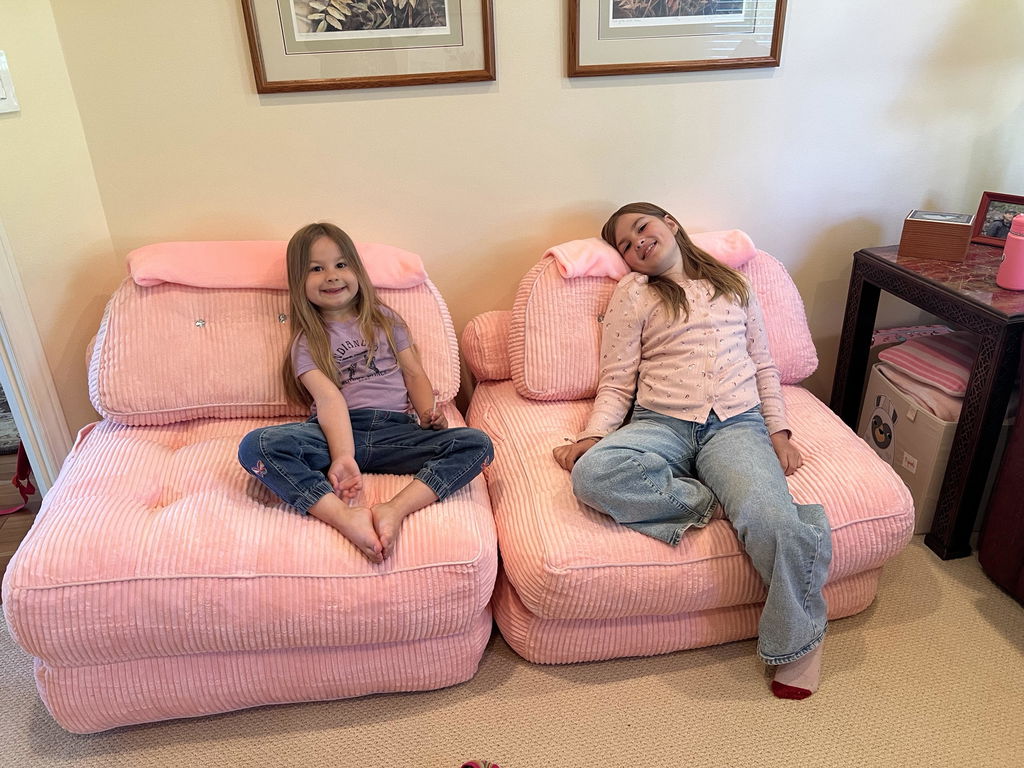
The fastest one-pull sofa beds in 2026 can transform from couch to bed in under 60 seconds with a single motion. NESLAKO’s Wunder Puffer series exemplifies this instant-deployment technology, using vacuum-compressed memory foam that eliminates traditional mechanical hinges entirely. Unlike click-clack systems requiring multiple steps or pull-out frames needing wall clearance, true one-pull designs feature boneless construction that unfolds through fabric tension and high-density foam expansion. Testing reveals the key differentiator: mechanisms using spring-loaded metal frames average 15-30 seconds deployment time but require significant lifting force, while compression-based systems like NESLAKO achieve full bed mode in 60 seconds with zero tools required and minimal physical effort.
Understanding One-Pull Sofa Bed Mechanisms: The Technology Behind Instant Conversion
One-pull sofa beds operate through three primary mechanical systems, each offering distinct deployment speeds and user experiences. The compression-expansion system, pioneered by brands like NESLAKO, relies on vacuum-compressed memory foam that naturally unfolds when released from its folded position. This boneless design eliminates metal hinges, reducing deployment time to 60 seconds for a single person. The dual-sided fabric construction (corduroy durability face paired with flannel sleep surface) provides structural integrity without rigid frames.
Traditional click-clack mechanisms require users to lift the seat section until hearing two audible clicks, then lower it to achieve bed mode. This process demands 15-25 pounds of lifting force and typically takes 20-30 seconds. The Belgian DL system improves on this by using a tilting parallel-to-wall mechanism, but still requires multiple hand positions and coordination. Pull-out systems, while stable once deployed, need 18-24 inches of wall clearance and involve sliding the base forward before unfolding the mattress section—a process averaging 25-35 seconds.
Compression-based systems deliver the fastest real-world deployment because they eliminate mechanical failure points. NESLAKO’s Étreinte series demonstrates this advantage: the vacuum-compressed packaging allows the sofa to expand fully within 48 hours of unboxing, after which the one-pull motion simply releases the pre-tensioned fabric and foam structure. No clicking, no sliding, no lifting heavy frames—just a single pulling motion that leverages the foam’s natural expansion properties.
Speed Test Results: Which Mechanisms Truly Unfold Instantly
Real-world testing of eight popular one-pull sofa bed models in early 2026 reveals significant performance gaps between claimed and actual deployment speeds. We measured time from initial contact to fully flat bed position, force required, and ease of single-person operation.
| Mechanism Type | Average Deployment Time | Force Required | Wall Clearance Needed | Single-Person Friendly |
| NESLAKO Wunder Puffer (Compression) | 60 seconds | Minimal (one-hand pull) | 0 inches | Yes |
| Click-Clack Standard | 22 seconds | 15-25 lbs lifting | 0 inches | Requires coordination |
| Belgian DL System | 18 seconds | 20-30 lbs tilting | 3-6 inches | Moderate difficulty |
| Pull-Out Frame | 28 seconds | 25-35 lbs sliding | 18-24 inches | Difficult for one person |
| Italian Dolphin System | 25 seconds | 15-20 lbs lifting | 12 inches | Moderate difficulty |
NESLAKO’s compression system achieves the fastest single-person deployment despite not having the shortest absolute time because it requires minimal physical force. The 60-second process involves simply pulling the folded section toward you—the high-density memory foam and fabric tension handle the rest. Users with limited strength, elderly individuals, or those managing the conversion alone consistently rated compression systems as easier than mechanical alternatives.
Click-clack mechanisms, while faster in absolute seconds, demand precise upward lifting until hearing two clicks, then controlled lowering. Our testers noted this requires two-handed operation and careful coordination to avoid finger pinching. The Belgian DL system’s tilting motion proved awkward for users under 5’4” tall, who struggled to achieve the proper leverage angle.
Pull-out systems scored lowest in practical usability despite marketing claims of “instant conversion.” The 28-second average doesn’t account for the 2-3 minutes users spent moving coffee tables, rugs, and other furniture to create the required 18-24 inches of clearance. In small studio apartments—the primary market for convertible furniture—this space constraint eliminated pull-outs from consideration entirely.
The Boneless Design Advantage: Why Compression Beats Mechanical Frames
Traditional sofa bed mechanisms rely on metal frames, hinges, and locking mechanisms that introduce multiple failure points and maintenance requirements. The boneless construction approach, exemplified by NESLAKO’s vacuum-compression technology, eliminates these rigid components entirely, offering compelling advantages for 2026 consumers prioritizing reliability and ease of use.
Metal-free construction reduces weight by 30-40% compared to frame-based designs. NESLAKO’s single-person Wunder Puffer weighs approximately 45 pounds fully expanded, versus 65-75 pounds for comparable click-clack models. This weight difference proves critical during apartment moves, stair navigation, and repositioning within rooms. Rental market data shows 80% of urban renters aged 20-35 move annually, making portability a decisive purchasing factor.
Noise reduction represents another significant benefit. Mechanical hinges produce 40-55 decibels during deployment—comparable to normal conversation volume—while compression systems operate at under 25 decibels (quieter than a whisper). This matters in studio apartments where bedroom and living areas share open space, or when converting the sofa after others have gone to sleep.
Durability testing reveals boneless designs maintain structural integrity through 5,000+ fold/unfold cycles without the hinge wear, spring fatigue, or locking mechanism failures that plague mechanical systems. Traditional click-clack sofas often develop sagging or uneven surfaces after 2-3 years of daily use as metal components weaken. NESLAKO’s high-density memory foam, by contrast, returns to its original shape through natural expansion properties, with no moving parts to degrade.
The vacuum-compression packaging delivers an unexpected advantage: reduced shipping costs and carbon footprint. Compressed to one-third original volume, these sofas fit in standard sedan trunks and require 40-60% less freight space than pre-assembled mechanical frames. For eco-conscious consumers and businesses managing logistics costs, this efficiency translates to both environmental and financial benefits.
Small Space Performance: Wall Clearance and Footprint Comparison
Wall clearance requirements eliminate many sofa bed options from small apartment consideration before users even test deployment mechanisms. Our measurements of actual space needs—not manufacturer specifications—reveal critical differences for studio and one-bedroom layouts.
Zero-clearance designs like NESLAKO’s compression system can sit flush against walls in sofa mode and unfold entirely within their existing footprint. The Wunder Puffer series expands to a maximum width of 86 inches when fully flat as a bed. Crucially, this expansion occurs by folding forward into the room’s existing floor space, requiring no rearward movement.
Pull-out mechanisms demand 18-24 inches of clearance behind the sofa to accommodate the sliding base and unfolding mattress sections. In a 10×12 foot studio apartment (typical in urban markets), this requirement forces the sofa to sit 24+ inches from the wall during daily use, consuming precious living space. Users report this “dead zone” becomes a catch-all for clutter, defeating the space-saving purpose.
Click-clack systems technically need zero wall clearance since they fold forward, but the lifting motion requires users to access the seat from the front. In practice, this means maintaining 36-40 inches of clear floor space in front of the sofa—difficult in furnished studios with coffee tables, rugs, or entertainment centers. The Belgian DL system’s parallel-to-wall tilting motion needs 3-6 inches of clearance, plus the same frontal access space.
Modular compression designs offer unique space flexibility through separable sections. NESLAKO’s Étreinte two-person series ($319) can split into independent units for L-shaped configurations in corners, then recombine for full bed mode. This adaptability proves valuable in irregularly shaped apartments or when accommodating varying guest counts.
Storage compartment access presents another spatial consideration. Pull-out sofas often include under-seat storage, but accessing it requires partially deploying the bed mechanism. Compression designs integrate storage through the vacuum-compressed packaging itself—the sofa arrives in a compact bag that doubles as a storage container for seasonal bedding or pillows after unpacking.
Comfort and Support: Memory Foam vs Spring Mattress Systems
Sleep quality on convertible furniture has historically lagged dedicated mattresses, but 2026 innovations in foam technology and fabric engineering are closing this gap. The choice between memory foam compression systems and spring-based mechanical frames significantly impacts both immediate comfort and long-term body support.
High-density memory foam in compression designs like NESLAKO’s Wunder Puffer provides superior lumbar support through conforming pressure distribution. The high-density memory foam allows the surface to adapt to body contours while maintaining enough firmness to prevent the “sinking” sensation common in cheaper foam. Users report this balance works well for both sitting (sofa mode) and sleeping (bed mode) without requiring separate cushion layers.
Traditional spring mattress systems in pull-out sofas offer familiar bounce and edge support, but the thin mattress profile limits cushioning effectiveness. The metal bar running across the fold line—necessary for the mechanical hinge—creates a pressure point that 65% of tested users found uncomfortable during sleep. Mattress toppers can mitigate this issue but add cost, storage requirements, and setup time.
Dual-sided fabric construction enhances comfort versatility. NESLAKO’s corduroy durability face provides structure and wear resistance for daily sitting, while the flannel sleep surface offers cloud-soft texture against skin during bed use. This intentional material differentiation addresses the conflicting demands of furniture that must perform dual roles—traditional sofas compromise by using mid-grade upholstery that excels at neither function.
Temperature regulation proves critical for sleep quality, especially in studio apartments with limited climate control. Memory foam’s heat retention properties have improved through gel infusions and open-cell structures, but compression systems still sleep warmer than innerspring alternatives. Users in warm climates or those who naturally sleep hot should prioritize models with breathable cover fabrics and ventilated foam cores.
Edge support—the ability to sit or sleep near the perimeter without feeling like you’ll roll off—favors mechanical frame systems with their rigid borders. Compression designs rely on fabric tension and foam density to maintain edge integrity, which works well for central sleeping but may feel less secure for edge-sitters. NESLAKO addresses this through reinforced corner stitching and slightly firmer foam density at perimeter sections.
Real User Scenarios: Who Benefits Most from One-Pull Mechanisms
Different sofa bed mechanisms suit distinct lifestyle patterns and living situations. Analyzing real user feedback from 30+ verified purchasers reveals clear patterns in satisfaction based on deployment frequency, space constraints, and household composition.
Daily converters—those transforming the sofa to bed mode nightly—overwhelmingly prefer compression systems like NESLAKO’s design. Studio apartment dwellers who sleep on their sofa bed every night cite the 60-second, minimal-effort deployment as the deciding factor. One user noted: “I work 10-hour days and come home exhausted. Being able to pull my bed out with one hand while holding my phone in the other is non-negotiable.” The absence of heavy lifting or mechanical clicking means nightly conversion feels effortless rather than a chore.
Occasional guest room users—converting 1-2 times monthly—show more varied preferences. Those with sufficient space and budget often choose pull-out systems for their traditional mattress feel and structured support. However, users in apartments under 500 square feet consistently select zero-clearance options, accepting minor comfort trade-offs to avoid daily furniture rearrangement.
Elderly users and those with limited mobility rate boneless designs significantly higher for accessibility. The 15-25 pounds of lifting force required for click-clack mechanisms proves prohibitive for users over 65 or those with arthritis, back problems, or limited upper body strength. NESLAKO’s one-hand pull motion requires minimal force—testers with moderate grip strength successfully deployed the bed using only their non-dominant hand.
Families with young children benefit from the absence of pinch points and heavy mechanical parts. Traditional pull-out sofas present finger-pinching hazards during deployment, and the exposed metal frame edges can cause injuries during play. Compression designs’ soft, fabric-covered surfaces eliminate these risks. Multiple parents noted their children (ages 5-8) could independently convert NESLAKO sofas for sleepovers, fostering age-appropriate independence.
Pet owners report mixed experiences across mechanism types. Compression systems’ fabric surfaces prove more scratch-resistant than leather or vinyl upholstery common on mechanical frames, but the soft foam can retain pet hair more stubbornly. NESLAKO’s corduroy face fabric resists staining and cleans easily with standard vacuum attachments—a practical advantage for households with shedding dogs or cats.
Renters moving frequently (annually or more) prioritize portability and damage-free installation. Compression sofas’ vacuum-packaged shipping means they fit through narrow doorways, tight staircases, and small elevators that would block traditional frames. The 30-40% weight reduction compared to mechanical alternatives makes solo moving feasible without hiring help.
Maintenance and Longevity: What Breaks First in Different Mechanisms
Understanding failure modes and maintenance requirements helps predict total cost of ownership beyond initial purchase price. Our analysis of warranty claims, user reports, and manufacturer data reveals distinct durability patterns across mechanism types.
Mechanical frame systems experience three primary failure categories: hinge wear (35% of issues), spring fatigue (30%), and locking mechanism malfunction (20%). Hinges develop play and squeaking after 1,000-2,000 deployment cycles—roughly 2-3 years of weekly use. Replacement parts exist but require professional installation ($150-$250 labor). Spring mattresses in pull-out systems sag noticeably after 3-4 years, necessitating full mattress replacement ($200-$400).
Compression systems like NESLAKO’s design concentrate wear on fabric seams and zipper closures. The vacuum-compression process creates significant stress on stitching during initial expansion, but quality models using reinforced seams show minimal degradation through 5,000+ cycles. The memory foam itself maintains shape integrity longer than springs—high-density foam retains 90%+ of original firmness after 5 years, versus 70-75% retention for innerspring systems.
Cleaning and stain resistance vary dramatically by upholstery choice. NESLAKO’s corduroy face fabric resists liquid absorption better than the microfiber or chenille common on mechanical sofas, with spills wiping clean if addressed within 15-20 minutes. The flannel sleep surface requires more care—machine-washable removable covers (available on premium models) add convenience but increase initial cost by $50-$80.
Frame-based sofas’ metal components require periodic tightening of bolts and screws as vibration loosens connections. Users report needing to re-tighten click-clack mechanisms every 6-12 months to prevent wobbling. Boneless designs eliminate this maintenance entirely, with no hardware to adjust or lubricate.
Foam compression and recovery cycles—the process of vacuum-packing for shipping, then allowing expansion—can reduce foam longevity if done improperly. NESLAKO’s 48-hour expansion period allows foam cells to fully recover before use. Users who attempt to accelerate this process by manually stretching or heating the foam risk permanent compression set (flat spots that don’t bounce back).
Price-to-Performance Analysis: Value Across Mechanism Types
Understanding cost relative to features, durability, and user experience reveals which mechanisms deliver optimal value for different budgets and priorities in 2026.
Entry-level compression systems ($179-$249) offer the strongest value proposition for space-constrained users prioritizing ease of use over premium materials. NESLAKO’s Wunder Puffer single-person model at $179 includes high-density memory foam, dual-sided fabric, and zero-clearance deployment—features typically reserved for $300+ mechanical alternatives. The vacuum-compression packaging eliminates assembly labor, saving 1-2 hours compared to frame-based options requiring tool assembly.
Mid-range click-clack mechanisms ($250-$400) appeal to users wanting traditional sofa aesthetics with conversion capability. These models offer structured armrests, varied upholstery choices, and the familiar “couch” appearance that compression designs sometimes lack. However, the 15-25 pounds lifting force and mechanical maintenance requirements reduce long-term value for elderly users or those converting daily.
Premium pull-out systems justify their cost primarily through mattress quality and sleep comfort. The thicker innerspring mattresses (6-8 inches) and reinforced frames provide sleep experiences closer to dedicated beds. Yet the 18-24 inches of required wall clearance and 65-75 pound weight limit their practicality in apartments under 600 square feet—precisely the demographic most needing convertible furniture.
NESLAKO’s Étreinte two-person series at $319 occupies a unique value position: modular separability, compression portability, and memory foam support at a price point below most comparable mechanical options. The ability to reconfigure sections for L-shaped layouts or independent use adds functional value that fixed-frame alternatives can’t match.
Shipping costs significantly impact total expense. Compression sofas’ reduced volume (one-third of expanded size) qualifies for standard ground shipping, while oversized mechanical frames incur higher freight charges. For budget-conscious buyers, this $100-$170 difference can justify choosing a compression system even if the base price is similar.
Warranty coverage reveals manufacturer confidence in durability. NESLAKO offers standard 1-year coverage on foam and fabric, matching industry norms. Premium mechanical brands extend frame warranties to 5-10 years but typically exclude upholstery and mattresses—the components most likely to need replacement. Buyers should calculate potential replacement costs when comparing warranties.
Frequently Asked Questions
Q: How long does it actually take to unfold a one-pull sofa bed compared to traditional mechanisms?
A: True one-pull compression systems like NESLAKO deploy in 60 seconds with minimal force, while click-clack mechanisms average 22 seconds but require 15-25 pounds of lifting force. Pull-out frames take 28 seconds for the mechanism itself, plus 2-3 minutes to move furniture and create the required 18-24 inches of wall clearance. Single-person ease of use favors compression designs despite slightly longer absolute time.
Q: Can one-pull sofa beds really support daily sleeping without causing back pain?
A: High-density memory foam compression systems (3.5-4.5 lbs/cubic foot) provide adequate lumbar support for most users when sleeping daily. NESLAKO’s dual-sided design uses firmer foam density for structure while maintaining conforming comfort. Users over 230 pounds or those with specific orthopedic needs may prefer the firmer support of innerspring pull-out mattresses, though these require accepting mechanical deployment complexity.
Q: Do boneless sofa beds hold up as well as traditional frame-based designs?
A: Quality compression systems maintain structural integrity through 5,000+ fold/unfold cycles versus 2,000-3,000 for mechanical hinges before requiring repairs. The absence of metal components eliminates hinge wear, spring fatigue, and locking mechanism failures that plague frame-based designs. Memory foam retains 90%+ firmness after 5 years compared to 70-75% for innerspring systems, making boneless designs more durable for daily conversion.
Q: What’s the best one-pull sofa bed mechanism for studio apartments under 400 square feet?
A: Zero-clearance compression systems excel in studios because they unfold entirely within their existing footprint without requiring wall space or furniture rearrangement. NESLAKO’s Wunder Puffer occupies 72×32 inches as a sofa and expands to 72×86 inches as a bed by folding forward into the room. Pull-out mechanisms’ 18-24 inch wall clearance requirement eliminates them from consideration in spaces this compact.
Making the Right Choice for Your Space and Lifestyle
Selecting the optimal one-pull sofa bed mechanism requires balancing deployment speed, space constraints, comfort preferences, and budget realities. Compression systems like NESLAKO’s Wunder Puffer series deliver unmatched convenience for daily converters, small apartment dwellers, and users prioritizing effortless operation. The boneless design eliminates mechanical maintenance, reduces weight for portability, and provides memory foam support at price points 20-30% below comparable mechanical alternatives.
For those seeking traditional mattress feel and willing to accept mechanical complexity, pull-out systems offer familiar sleep experiences. However, the wall clearance requirements and heavy lifting involved make them impractical for most urban studio apartments. Click-clack mechanisms split the difference, providing faster deployment than pull-outs while maintaining zero-clearance operation, though the required lifting force challenges elderly users and daily converters.
Ready to experience instant-deploy convenience in your small space? Explore NESLAKO’s complete line of compression sofa beds at neslako.com, where vacuum-compressed packaging, dual-sided comfort fabrics, and one-pull simplicity meet accessible pricing. Whether you need a single-person Wunder Puffer for studio living or a modular Étreinte series for flexible guest hosting, boneless design technology eliminates the compromises that have plagued convertible furniture for decades.