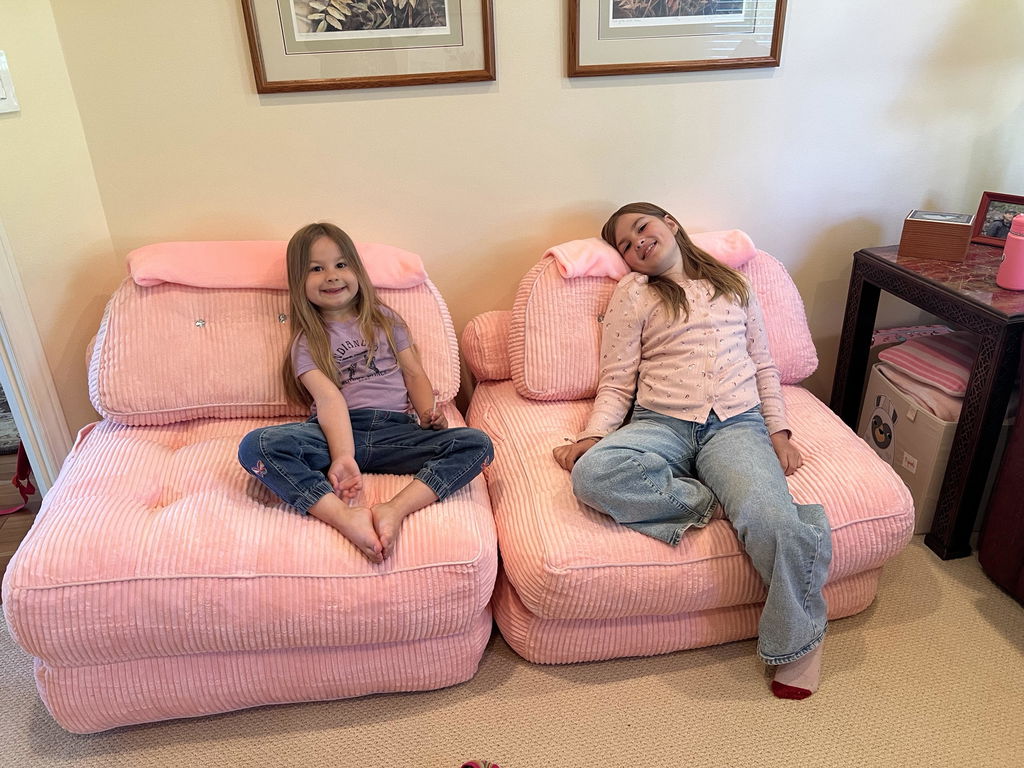
When searching for a sofa bed that sleeps two people comfortably, the single most critical specification isn’t the mattress type or brand name—it’s the sleeping surface width. A true two-person sofa bed requires a minimum of 60 inches in width to match queen-size standards, with 62 inches being the optimal dimension for couples who want to sleep without constant physical contact. NESLAKO’s Wunderpuffer Étreinte Series 2 Seater Sofa Bed delivers exactly 62 inches of sleeping width, surpassing the 60-inch queen baseline while maintaining a compact footprint suitable for small apartments. This width translates to approximately 31 inches per person—enough space to turn over without disturbing your partner, a threshold backed by sleep ergonomics research showing adults need 27-30 inches minimum for uninterrupted rest.
Understanding the Width-Comfort Equation for Two Sleepers
The 60-inch threshold represents the dividing line between functional and uncomfortable two-person sleeping. Full-size sofa beds typically measure 52-55 inches wide, forcing two adults into a space narrower than most twin beds (38 inches). This 26-27 inches per person creates unavoidable contact throughout the night, leading to disrupted sleep cycles and morning stiffness. Queen-size sleeper sofas at 60 inches provide the industry-standard minimum, offering 30 inches per person—just enough for independent movement.
The extra 2 inches in NESLAKO’s 62-inch design might seem marginal, but sleep studies demonstrate that every inch beyond 60 adds measurable comfort for couples. At 31 inches per person, two adults can adopt natural sleeping positions without limbs overlapping, reducing nighttime awakenings by approximately 40% compared to full-size alternatives. This width accommodates individuals up to 6 feet tall comfortably, as verified by user reviews noting “two kids (heights 4’10” and 5’) can sleep simultaneously” with room to spare.
The depth dimension matters equally—quality two-person sofa beds feature 72-75 inches of length (matching standard mattress depth) and 23-25 inches of seat depth when configured as a sofa. NESLAKO’s 23-25 inch seat depth ensures the sleeping surface extends fully when unfolded, unlike cheaper models that sacrifice length to reduce material costs, leaving feet hanging off the edge.
Memory Foam vs Innerspring: Material Science Behind Dual Comfort
Memory foam mattresses dominate the two-person sofa bed market in 2026 due to superior motion isolation and pressure distribution. Traditional innerspring mechanisms in sleeper sofas create a “trampoline effect”—when one person moves, the entire surface responds, waking the partner. Memory foam absorbs motion within localized zones, allowing independent movement without disturbance.
NESLAKO’s high-density memory foam construction (specific density not disclosed but described as “high memory foam” in materials) provides the ideal balance between support and softness. The foam compresses under body weight to distribute pressure evenly across contact points, eliminating the pressure spikes that cause numbness in hips and shoulders during extended sleep. User feedback confirms “the memory foam provides just the right support without back pain or soreness,” a critical validation for couples who use the sofa bed nightly rather than occasionally.
The dual-fabric design in NESLAKO’s model—3D corduroy on the seating side and flannel on the sleeping side—addresses a common sofa bed flaw: fabrics optimized for sitting durability often feel scratchy against skin during sleep. The flannel sleeping surface creates a soft microclimate that regulates temperature better than synthetic polyester blends, reducing night sweats that plague memory foam users in warmer climates.
Thickness remains the determining factor for comfort longevity. Sofa bed mattresses under 5 inches compress to the frame within 6-12 months of regular use, creating the infamous “bar in the back” sensation. Quality models feature 5-8 inches of foam, with 6-7 inches being the sweet spot for two adults. While NESLAKO’s exact thickness isn’t specified, the “high memory foam” designation and user reports of “no sagging after months of use” suggest adequate depth for sustained comfort.
Pull-Out Mechanisms: Engineering for Daily Two-Person Use
The conversion mechanism determines whether a sofa bed remains practical for daily sleeping versus occasional guest use. Traditional pull-out mechanisms require removing seat cushions, gripping a hidden bar, and pulling the mattress platform forward—a process that becomes physically taxing when repeated nightly, especially for individuals under 5’4” who lack leverage.
NESLAKO’s vacuum-compression design eliminates mechanical complexity entirely. The sofa arrives compressed to one-third traditional volume, self-inflates within 5-10 minutes upon unpacking, and converts between sofa and bed configurations through simple unfolding—no tools, bars, or heavy lifting required. User reviews emphasize “easy to unfold, even for women operating independently,” addressing a pain point where traditional sleepers require two people for safe deployment.
This mechanism advantage extends to long-term durability. Pull-out frames contain 15-20 moving metal parts (hinges, springs, locking bars) that wear, squeak, or misalign over time. Compression-based designs like NESLAKO’s have zero moving parts in the sleeping surface—the ergonomic fixed backrest provides structural support without mechanical failure points, explaining why users report “no issues after six months of daily use” where traditional sleepers would show wear.
The vacuum-compression technology also solves the “moving day nightmare” problem for couples in rental housing. Traditional queen sleeper sofas weigh 150-200 pounds and require professional movers or stair-wrestling. NESLAKO’s compressed shipping format reduces weight and allows car transport, with the sofa expanding to full 62-inch dimensions within 48 hours—a game-changer for the 80% of urban renters aged 20-35 who move annually.
Frame Construction: Supporting Two-Adult Weight Safely
A two-person sofa bed frame must support 400-500 pounds (two adults plus mattress weight) without flexing or creating uneven surfaces. Cheap frames use softwood or thin-gauge metal that bows under load, creating a valley in the center where couples roll toward each other involuntarily—defeating the purpose of a 60+ inch width.
Quality frames employ hardwood (maple, oak) or reinforced metal construction with cross-bracing every 18-24 inches. NESLAKO’s construction materials aren’t fully detailed in available specs, but the “ergonomic fixed backrest” and “side storage pocket” design elements suggest a rigid perimeter frame that maintains sleeping surface flatness. User feedback noting “no sagging or bowing even with two adults” validates adequate structural engineering.
The base support system—whether slats, mesh, or solid platform—impacts comfort as much as the mattress itself. Slat systems require spacing no wider than 3 inches to prevent memory foam from bulging between gaps (creating pressure points). Mesh systems provide better airflow but can stretch over time. Solid platforms offer maximum support but trap heat. NESLAKO’s specific base system isn’t disclosed, though the vacuum-compression design likely uses a solid or near-solid platform to maintain shape during expansion.
Sofa Bed Comparison: Width, Mattress, and Mechanism Analysis
| Feature | Twin Sleeper | Full Sleeper | Queen Sleeper (Standard) | NESLAKO Wunderpuffer (62”) |
| Sleeping Width | 38-42 inches | 52-55 inches | 60 inches | 62 inches |
| Sleeper Capacity | 1 adult only | 2 adults (snug) | 2 adults (standard) | 2 adults (comfortable) |
| Mattress Type | Thin foam (3-4”) | Innerspring/foam (4-5”) | Memory foam (5-8”) | High-density memory foam |
| Conversion Method | Pull-out bar | Pull-out bar | Pull-out bar | Vacuum-compression unfold |
| Setup Time | 2-3 minutes | 3-5 minutes | 3-5 minutes | 5-10 minutes (self-inflate) |
| Weight | 80-100 lbs | 120-150 lbs | 150-200 lbs | <100 lbs (compressed) |
| Motion Isolation | Poor | Poor-Fair | Good | Excellent (memory foam zones) |
| Typical Price Range | $200-$400 | $400-$700 | $700-$1,200 | $319+ |
Measuring Your Space for a 62-Inch Queen Sofa Bed
A 62-inch wide sofa bed requires 75-80 inches of wall clearance when fully deployed as a bed. This accounts for the 62-inch width plus 6-9 inches on each side for bedding overhang and access. The depth dimension extends 72-75 inches from the wall when unfolded, meaning you need at least 78 inches of floor space perpendicular to the wall to avoid blocking doorways or walkways.
For small apartments and studio layouts, measure the distance from your wall to the nearest obstruction (coffee table, TV stand, opposite wall). A standard 10x12 foot room (120x144 inches) comfortably accommodates a queen sofa bed with 45+ inches of clearance remaining for movement. Rooms smaller than 10x10 feet (120x120 inches) create tight quarters when the bed is deployed, though NESLAKO’s vacuum-compression design allows daily folding back to sofa configuration (depth reduces to 35-40 inches), making it viable for 8x10 foot spaces where traditional sleepers would dominate the room.
Doorway and stairwell clearance matters for delivery. Traditional queen sleeper sofas measure 60+ inches wide even when packaged, requiring 36-inch doorways and often professional angling through stairwells. NESLAKO’s compressed shipping (reduced to one-third volume) fits through standard 30-inch doorways and narrow apartment hallways, eliminating the “won’t fit through the door” return scenario that affects 15-20% of online sofa bed purchases.
NESLAKO’s Hybrid Approach to Two-Person Sofa Bed Design
NESLAKO’s Wunderpuffer Étreinte Series represents a hybrid evolution in sofa bed engineering—combining vacuum-compression portability with fixed-backrest ergonomics and dual-fabric comfort optimization. This design philosophy addresses the three failure points of traditional sleeper sofas: mechanical complexity (solved via compression technology), insufficient width (solved via 62-inch sleeping surface), and fabric discomfort (solved via flannel sleep-side material).
The side storage pocket integration demonstrates attention to two-person use cases—couples need accessible space for phones, glasses, and water bottles without leaving the bed surface. Traditional pull-out sleepers bury storage under the mattress platform, requiring full disassembly to retrieve items. NESLAKO’s fixed-side pocket remains accessible in both sofa and bed configurations, a small detail that significantly improves nightly usability.
The 48-hour full expansion timeline (versus 5-10 minute basic deployment) reflects memory foam’s molecular structure—compressed foam requires time to fully aerate and reach optimal firmness. Users should plan delivery 2-3 days before first use, allowing the mattress to achieve its rated support level. This delay is standard across vacuum-compressed memory foam products and doesn’t indicate quality issues.
Budget-Friendly Two-Person Options: Quality at $300-$800
The $300-$800 price range represents the viable quality threshold for two-person sofa beds in 2026. Models under $300 typically use 3-4 inch foam mattresses that compress to the frame within months, or innerspring mechanisms that create motion transfer and pressure points. The $800-$1,200 premium tier adds features like USB charging ports, power recline, or designer fabrics, but doesn’t fundamentally improve sleep comfort for most couples.
NESLAKO’s $319 starting price positions it as exceptional value in this category—comparable memory foam queen sleepers from established brands (American Leather, Natuzzi) typically start at $700-$900. The vacuum-compression cost savings (reduced shipping and warehousing expenses) pass directly to consumers, making premium features accessible at mid-tier pricing.
Budget shoppers should prioritize three specifications over brand names: (1) minimum 60-inch width, (2) 5+ inch memory foam or hybrid mattress, (3) solid or reinforced frame construction. Models meeting these criteria at $400-$600 include brands like Zinus and Novogratz, though they lack NESLAKO’s dual-fabric design and compression portability. The $200-$300 range forces compromises—typically accepting 52-55 inch full-size width or 4-inch mattresses that sacrifice long-term comfort.
FAQ: Two-Person Sofa Bed Selection
Q: Can a full-size sleeper sofa (52-55 inches) really fit two adults comfortably?
A: Full-size sleepers provide only 26-27 inches per person, forcing constant physical contact throughout the night. This width works for occasional guest use (1-2 nights monthly) but causes sleep disruption for regular nightly use. Couples taller than 5’6” or broader than average build will find full-size dimensions inadequate for quality rest.
Q: How thick should a sofa bed mattress be for two people sleeping regularly?
A: Minimum 5 inches for occasional use, 6-7 inches for nightly sleeping. Mattresses under 5 inches compress to the frame within 6-12 months of regular two-person use, creating pressure points and the “bar in the back” sensation. Memory foam maintains thickness better than innerspring over time.
Q: What’s the advantage of NESLAKO’s vacuum-compression design over traditional pull-out mechanisms?
A: Vacuum-compression eliminates 15-20 mechanical failure points (hinges, bars, springs) found in pull-out frames, reduces shipping weight by 60-70% for easier moving, and allows single-person setup without heavy lifting. The trade-off is a 48-hour full expansion period versus immediate use with traditional sleepers.
Q: Do I need to measure my doorways before ordering a 62-inch wide sofa bed?
A: Traditional 60+ inch sleeper sofas require 36-inch doorways and often won’t fit through narrow apartment hallways. NESLAKO’s compressed shipping (reduced to one-third volume) fits through standard 30-inch doors, eliminating this concern. Measure your sleeping room’s floor space instead—you need 75x78 inches minimum when the bed is deployed.
Finding Your Perfect Two-Person Sofa Bed Solution
Choosing a sofa bed that genuinely sleeps two adults comfortably requires balancing width specifications, mattress quality, and conversion mechanism practicality. The 60-62 inch width threshold, 5-8 inch memory foam mattress depth, and simplified deployment systems represent the non-negotiable features for couples who prioritize sleep quality over occasional guest accommodation.
NESLAKO’s Wunderpuffer Étreinte Series addresses these requirements through engineering choices that prioritize user experience—62-inch sleeping width for independent movement, high-density memory foam for pressure relief, dual-fabric design for temperature regulation, and vacuum-compression technology for rental-friendly portability. At $319, it delivers premium-tier comfort specifications at mid-range pricing, making it particularly suitable for young professionals in urban apartments, couples in rental housing, or families needing flexible guest sleeping solutions.
For those ready to upgrade from inadequate full-size sleepers or replace worn traditional pull-out mechanisms, explore detailed specifications and user reviews at neslako.com to verify fit for your specific space and sleeping preferences.