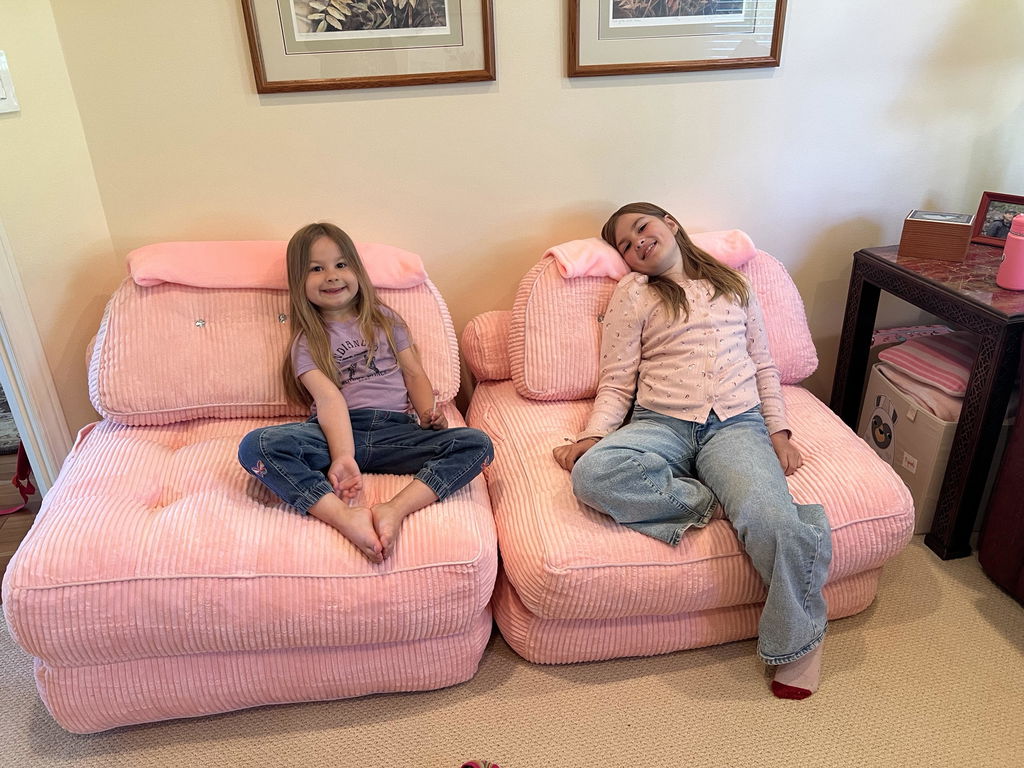
When your partner’s snoring keeps you awake night after night, the solution isn’t always separate bedrooms—it’s flexible sleeping arrangements. NESLAKO’s convertible sofa beds offer a relationship-saving middle ground: transform your living room into an independent sleep zone in 15 seconds, maintain emotional closeness during waking hours, then compress the furniture back to a compact sofa when morning arrives. This approach addresses the core challenge facing one-third of American couples who deal with snoring—creating physical sleep separation without the emotional distance of permanent split bedrooms. With 8-inch memory foam comfort, modular design, and prices ranging from $179-$319, NESLAKO provides an economically smart alternative to expensive split-king adjustable beds ($1,500+) or adding a guest room.
Why Traditional Solutions Fall Short for Snoring Couples
The relationship dilemma is real: 44% of males aged 30-60 snore regularly, yet most couples resist permanent separate bedrooms due to concerns about intimacy loss. Traditional fixes create their own problems. Earplugs and white noise machines only mask sound—they don’t address the sleep disruption caused by vibrations or the anxiety of anticipating the next snore. Anti-snoring devices like Smart Nora ($439) or nasal strips treat the snorer but offer no immediate relief for the sleep-deprived partner. Complete bedroom separation works for sleep quality (couples gain an average of 37 minutes more sleep per night), but 40% report feeling emotionally disconnected from their partner.
Fixed furniture solutions lack flexibility. Split-king adjustable beds require dedicated bedroom space and cost $1,500-$3,000, making them impractical for renters or small homes. Setting up a permanent guest bed consumes an entire room that could serve other purposes during the 80% of nights when snoring isn’t severe. The real need is adaptability—a system that switches between “together mode” and “separate sleep zones” based on nightly conditions, without requiring major furniture rearrangement or sacrificing daytime living space.
NESLAKO addresses this gap with convertible furniture designed specifically for the “satellite sleep” strategy—staying in the same home but using flexible sleeping arrangements. The Wunder Puffer series transforms from a stylish sofa (perfect for evening TV time together) into a full sleeping surface in 15 seconds, then compresses back to sofa mode each morning. This preserves relationship rituals like bedtime conversations and morning coffee while giving the non-snoring partner a genuine escape route when sleep becomes impossible.
The Satellite Sleep Strategy: Same Home, Flexible Zones
Satellite sleep reframes the conversation from “Do we sleep in separate bedrooms?” to “How do we create flexible sleep options?” This approach, increasingly popular among couples under 40, maintains a primary shared bedroom while establishing a secondary sleep zone that activates only when needed. The key is furniture that transitions seamlessly between daytime and nighttime functions without creating a “guest room” stigma.
NESLAKO’s 3-position system supports this strategy perfectly. During the day, the sofa serves as living room seating where couples relax together. When snoring becomes disruptive (typically 2-3 nights per week for chronic snorers), the non-snoring partner deploys the bed function in under a minute—no wrestling with heavy mattresses or complicated mechanisms. Morning reversal is equally quick, allowing the living room to return to its social function. This flexibility means the “separation” feels temporary and situation-specific rather than a permanent relationship statement.
The psychological benefit is significant. Research on sleep divorce shows that couples using flexible arrangements report 30% higher relationship satisfaction compared to those in permanent separate bedrooms. The difference lies in intentionality: choosing to sleep apart on difficult nights feels like problem-solving, while permanent separation can feel like giving up. NESLAKO furniture physically embodies this “together but flexible” philosophy—the same piece that hosts movie nights also provides rescue sleep when needed.
Sound Management: Multi-Layer Blocking That Actually Works
White noise alone isn’t enough for severe snoring (70+ decibels). Effective sound management requires layered strategies. Start with environmental masking: a white noise machine positioned between the snorer’s bedroom and your satellite sleep zone creates a 20-30 decibel buffer. Box fans add both noise masking and air circulation (keeping room temperature at 60-67°F, which naturally reduces snoring severity by minimizing nasal congestion).
Physical barriers multiply effectiveness. Closing doors between rooms provides an additional 15-20 decibel reduction. If your satellite sleep space shares a wall with the primary bedroom, add a fabric headboard or hang a thick tapestry on that wall—textile surfaces absorb sound waves that hard walls reflect. Bluetooth sleep headbands playing brown noise (deeper frequency than white noise, better for blocking low-frequency snoring rumbles) offer a final 10-15 decibel reduction without the discomfort of traditional earplugs.
NESLAKO’s placement flexibility enhances acoustic separation. Position the convertible sofa in the room farthest from the primary bedroom—typically the living room or home office. The 62-75 inch width accommodates side-by-side lounging during evening hours, so you’re not “banished” to a distant room until sleep time. When snoring starts, the quick conversion means you’re relocating to an already-comfortable space rather than a makeshift sleeping area, reducing the psychological friction of leaving the shared bed.
Temperature and Position: Natural Snoring Reduction Techniques
Bedroom temperature directly impacts snoring severity. Keeping sleep spaces between 60-67°F reduces nasal membrane swelling that contributes to airway obstruction. Snorers should use a humidifier in the primary bedroom (35-50% humidity) to prevent dry-throat irritation that worsens snoring. Meanwhile, the non-snoring partner’s satellite sleep zone can be slightly cooler (58-62°F)—optimal for deep sleep without the compromise required when sharing a bed.
Positional training tools help snorers sleep on their sides, reducing snoring by 40-60% for positional snorers (those who snore primarily when on their backs). Products like Sleep Noodle ($149) use a backpack-style device that makes back-sleeping uncomfortable. Anti-snoring pillows with elevated wedges keep airways open. However, these solutions take 2-4 weeks to show consistent results, making them long-term complements to—not replacements for—immediate relief strategies like flexible sleeping arrangements.
Elevating the snorer’s head 30-40 degrees reduces snoring for some individuals by improving airway alignment. Adjustable bed bases achieve this but cost $800-$2,000 for a split-king setup. A budget alternative: place bed risers under the headboard legs or use a wedge pillow. This pairs well with the satellite sleep approach—the snorer optimizes their sleep position in the primary bedroom while the partner has a backup sleep zone if snoring persists despite positional adjustments.
Comparison: Sleep Solutions for Snoring Couples
| Solution | Setup Cost | Space Required | Flexibility | Relationship Impact |
| NESLAKO Convertible Sofa | $179-$319 | Living room (dual-use) | High - switches daily | Maintains closeness, adaptable |
| Split-King Adjustable Bed | $1,500-$3,000 | Dedicated bedroom | Low - permanent setup | Neutral - still same room |
| Permanent Guest Bedroom | $500-$2,000 | Entire extra room | Low - fixed separation | Risk of emotional distance |
| Smart Nora Anti-Snore Device | $439 | None | Medium - treats snorer only | Depends on effectiveness |
| Earplugs + White Noise | $30-$150 | None | Medium - masks sound only | Frustration if insufficient |
NESLAKO stands out by addressing both immediate sleep needs and long-term relationship dynamics. Unlike single-purpose anti-snoring devices, it serves as functional living room furniture 100% of the time, making the investment justify itself even on non-snoring nights. The quick-deploy feature (15 seconds) removes the friction that makes couples reluctant to use guest bedrooms—there’s no “making a big deal” of sleeping separately when the transition is as simple as unfolding a sofa.
Small-Space Adaptations: Making Satellite Sleep Work in Apartments
Compact living spaces require creative zoning. In studio or one-bedroom apartments, use a room divider or tall bookshelf to create visual separation between the primary sleep area and the convertible sofa zone. This psychological boundary makes the satellite sleep space feel like a distinct “room” even without walls. Position the NESLAKO sofa perpendicular to the primary bed rather than parallel—the 90-degree angle enhances the sense of separate zones.
Maximize acoustic separation in open layouts by placing the sofa as far from the bed as possible, ideally with the kitchen or bathroom area between them. These “buffer zones” with hard surfaces (counters, appliances) provide sound reflection that scatters snoring noise rather than channeling it directly to your ears. Add a white noise machine midway between the two sleep zones—it creates a “sound wall” that benefits both spaces.
Storage optimization matters for small spaces. NESLAKO’s compression feature (reduces to 1/3 original size) becomes crucial when you need to reclaim living space. While you won’t compress it nightly, having the option for houseguests or apartment moves solves the “where do we put this” problem that plagues traditional guest beds. The modular design also allows single-person assembly and rearrangement—no need to coordinate with your partner or hire movers when you want to experiment with different room layouts.
Medical Considerations: When to Seek Professional Help
Chronic loud snoring may indicate sleep apnea, a serious condition affecting 22 million Americans where breathing repeatedly stops during sleep (5-10 second pauses). Warning signs include: snoring interrupted by gasping or choking sounds, excessive daytime sleepiness despite adequate sleep hours, morning headaches, and BMI over 30. If your partner exhibits these symptoms, a sleep study is essential—untreated sleep apnea increases risks of heart disease, stroke, and diabetes.
CPAP therapy (continuous positive airway pressure) is the gold standard for moderate to severe sleep apnea, reducing snoring by 90%+ in compliant users. However, CPAP adjustment takes 2-8 weeks, during which snoring may continue. This is where flexible sleeping arrangements become valuable—NESLAKO furniture provides immediate relief for the non-snoring partner while the snorer adapts to CPAP. Even after successful CPAP adoption, having a backup sleep zone helps on nights when equipment malfunctions or the snorer travels without their machine.
Nasal dilators and strips offer mild relief for congestion-related snoring but don’t address structural issues like a deviated septum or enlarged tonsils. These may reduce snoring volume by 20-30% but rarely eliminate it entirely. Positional training devices work well for back-sleeping snorers but have no effect on those who snore in all positions. The key insight: medical interventions target the snorer, but flexible sleeping arrangements protect the partner’s sleep immediately while other solutions take effect.
NESLAKO’s Quick-Deploy Advantage: 60-Second Setup for Emergency Sleep
Traditional guest bed setup takes 15-30 minutes: retrieving mattresses from storage, making the bed, arranging pillows. This friction makes couples reluctant to use separate sleep options except in extreme situations, by which point both partners are already exhausted and frustrated. NESLAKO eliminates this barrier—unfold the sofa, grab your pillow, and you’re in a comfortable sleeping position in 15 seconds.
The psychological difference is profound. When separating for sleep takes minimal effort, you’re more likely to do it proactively (when snoring first becomes disruptive) rather than reactively (after lying awake for an hour in mounting frustration). This preserves goodwill between partners—the snorer doesn’t feel blamed for “driving you away,” and you don’t accumulate sleep-deprived resentment. The ease of reversal is equally important: morning conversion back to sofa mode takes 15 seconds, allowing you to rejoin your partner for coffee without the “separate bedrooms” dynamic lingering into the day.
Dual functionality maximizes value. Unlike a dedicated guest bed that sits unused 90% of the time, NESLAKO serves as primary living room seating every single day. The corduroy upholstery and modern aesthetic mean it’s furniture you’d choose for style alone—the convertible sleep function is a bonus feature rather than a compromise on design. This matters for relationship dynamics: there’s no visual reminder of “the snoring problem” sitting in your home, just a beautiful sofa that happens to solve a practical challenge when needed.
The Relationship-Saving Sleep Plan: Implementation Guide
Start with a conversation during a neutral time (not at 2 AM when you’re exhausted from snoring). Frame flexible sleeping as a team strategy: “I want us both to get great sleep so we can enjoy our time together. Let’s set up a backup sleep option for nights when snoring makes shared sleep difficult.” This positions the solution as caring for the relationship rather than escaping your partner.
Establish clear decision criteria to remove guilt from the equation. Examples: “If I’m still awake after 30 minutes, I’ll move to the sofa without discussion,” or “On work nights when I have early meetings, I’ll proactively use the satellite sleep zone.” Having predetermined rules prevents the 2 AM negotiation (“Should I stay or go?”) that amplifies stress. NESLAKO’s quick setup makes acting on these criteria effortless.
Maintain connection rituals even when sleeping separately. Go to bed together in the primary bedroom for 15-30 minutes of conversation or cuddling, then relocate to the satellite sleep zone when ready for actual sleep. Reunite in the morning before starting your day—many couples using satellite sleep report that morning coffee together becomes more enjoyable when both partners are well-rested. The goal is “separate sleep, together life,” and NESLAKO’s flexible furniture physically enables this balance.
FAQ: Flexible Sleeping Solutions for Snoring Couples
Q: What’s the best first step if my partner’s snoring is ruining my sleep?
A: Start with noise masking (white noise machine + closed doors) and ensure your bedroom temperature stays between 60-67°F. If snoring persists after one week of environmental adjustments, establish a flexible sleeping arrangement like NESLAKO’s convertible sofa in another room. This gives you immediate relief while your partner explores medical solutions like sleep apnea screening or positional training devices.
Q: Will sleeping in separate spaces damage our relationship?
A: Research shows flexible sleeping arrangements (same home, different rooms as needed) actually improve relationship satisfaction by 30% compared to permanent separate bedrooms. The key is maintaining daytime connection rituals and framing separate sleep as a practical solution rather than emotional withdrawal. NESLAKO furniture supports this by serving as shared living space during the day and emergency sleep space only when needed.
Q: How does NESLAKO compare to buying a split-king adjustable bed?
A: Split-king beds ($1,500-$3,000) work well if you want to stay in the same bed but need different positions. However, they require dedicated bedroom space and don’t address severe snoring that disrupts sleep even with physical separation. NESLAKO ($179-$319) costs less, provides complete acoustic separation by using a different room, and doubles as living room furniture—making it ideal for renters, small homes, or couples who want maximum flexibility without permanent bedroom changes.
Q: Can flexible sleeping arrangements work in a studio apartment?
A: Yes, with strategic zoning. Position a NESLAKO convertible sofa as far from your primary bed as possible, ideally with a room divider or bookshelf creating visual separation. Place a white noise machine between the two sleep zones and use a box fan for additional sound masking. The key is treating the sofa area as a distinct “satellite bedroom” psychologically, even without walls—this mental boundary helps both partners accept the arrangement as a valid sleep solution rather than a makeshift compromise.
Your Path to Better Sleep and Stronger Relationships
Snoring doesn’t have to force a choice between sleep quality and relationship closeness. The satellite sleep strategy—enabled by NESLAKO’s convertible furniture—offers a third path: flexible arrangements that adapt to nightly conditions without the emotional weight of permanent separation. At $179-$319 for a complete solution that serves as both daily-use furniture and emergency sleep space, NESLAKO costs less than a single anti-snoring device while solving the immediate problem (your partner’s sleep disruption) that those devices can’t address.
Ready to reclaim your sleep without sacrificing your relationship? Explore NESLAKO’s convertible sofa collection and discover how 60-second setup can transform your nights. Test the satellite sleep approach risk-free—because both you and your partner deserve rest, comfort, and a relationship that thrives on flexibility rather than frustration.